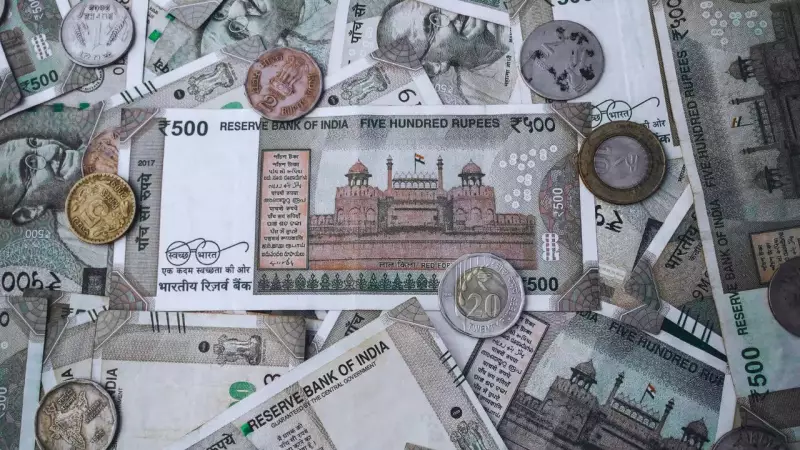
Have you ever looked closely at the Indian currency notes in your wallet? Beyond being legal tender, they serve as miniature canvases showcasing the nation's profound architectural and cultural heritage. Under the Mahatma Gandhi (New) series, the Reserve Bank of India (RBI) has meticulously chosen iconic monuments from across the country to feature on various denominations. While not all depict religious structures, many hold deep cultural and historical significance, turning everyday transactions into a lesson in history.
A Denomination-by-Denomination Guide to India's Currency Heritage
Let's embark on a visual tour, deciphering the landmarks that grace India's most commonly used currency notes, from the ₹10 note to the ₹500 bill.
₹10 Note: The Konark Sun Temple, Odisha
The humble ₹10 note carries the image of the globally renowned Konark Sun Temple in Odisha. This 13th-century marvel, built during the reign of King Narasimhadeva I of the Eastern Ganga dynasty, is designed as a colossal stone chariot dedicated to Surya, the Sun God. The note captures its famous intricately carved stone wheels, horses, and sculptures depicting mythological narratives and scenes from daily life.

₹20 Note: The Kailasa Temple, Maharashtra
Moving to the ₹20 note, we find the awe-inspiring Kailasa Temple (Cave 16) within the Ellora Caves complex in Maharashtra. This is not just any temple; it is recognized as the world's largest monolithic rock-cut temple, carved vertically from a single basalt rock cliff. Dating between the 6th and 10th centuries AD, the Ellora Caves, and Kailasa in particular, stand as a monumental testament to India's ancient engineering prowess and religious harmony.
₹50 Note: The Vijaya Vittala Temple, Karnataka
The ₹50 denomination features the splendid Vijaya Vittala Temple in Hampi, Karnataka. Hampi was the capital of the mighty Vijayanagara Empire, which from the 14th to the 16th centuries was among the richest and most powerful cities in the ancient world. Today, the site, including the Vittala Temple with its iconic stone chariot and musical pillars, is a UNESCO World Heritage Site and a vast open-air museum of grand ruins.
₹100 Note: Rani ki Vav, Gujarat
The ₹100 note showcases Rani ki Vav, an exquisitely sculpted stepwell in Patan, Gujarat. Built in the 11th century during the Solanki dynasty by Queen Udayamati in memory of her husband, King Bhimdev I, it is more than a water reservoir. This inverted temple descends several stories underground and is adorned with over 800 intricate sculptures of deities, celestial nymphs (apsaras), and mythological tales, making it a masterpiece of both engineering and art.
₹200 Note: Sanchi Stupa, Madhya Pradesh
Introduced more recently, the ₹200 note features the ancient Sanchi Stupa in Madhya Pradesh. Commissioned by the great Mauryan Emperor Ashoka in the 3rd century BCE, it is one of India's oldest stone structures and a pivotal symbol of Buddhist heritage. The Great Stupa is renowned for its massive hemispherical dome and the beautifully carved toranas (gateways) that illustrate events from the Buddha's life and Jataka tales.
₹500 Note: The Red Fort, Delhi
The ₹500 note is graced by the majestic Red Fort (Lal Qila) in Delhi. Although not a temple, this 17th-century Mughal fortress built by Emperor Shah Jahan holds unparalleled national importance. It is a powerful symbol of India's sovereignty; every Independence Day, the Prime Minister addresses the nation from its ramparts. Its presence on a high-value note underscores its role in the nation's journey and contemporary political identity.

More Than Just Money: Currency as a Cultural Ambassador
This deliberate selection by the RBI transforms Indian banknotes into pocket-sized guides to the country's diverse heritage. From Hindu temples and Buddhist stupas to Islamic forts and ingenious stepwells, the currency series reflects India's pluralistic civilization. Each time you handle a note, you hold a piece of history—a silent yet powerful reminder of the architectural grandeur and cultural depth that defines the nation. Next time you make a payment, take a moment to appreciate the timeless monument it carries, connecting you to centuries of Indian artistry and legacy.