Third Human Skeleton Discovered on Final Day of Tekkalakote Excavations in Karnataka
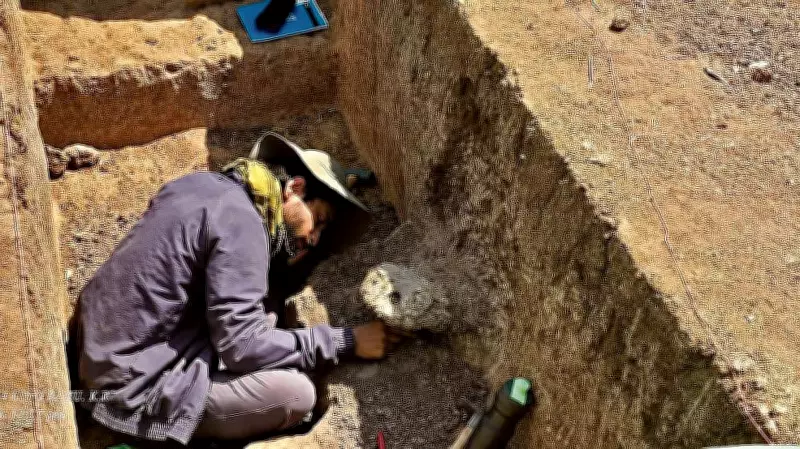
In a significant archaeological breakthrough, a third human skeleton has been unearthed during the last day of excavations at the Tekkalakote site in Karnataka. This discovery marks a pivotal moment in the ongoing efforts to unravel the historical and cultural layers of this ancient settlement, providing fresh insights into burial customs and human habitation patterns from bygone eras.
Details of the Excavation and Discovery
The excavation project at Tekkalakote, led by a team of dedicated archaeologists and researchers, has been meticulously uncovering artifacts and remains over several weeks. On the final day of the dig, workers stumbled upon the skeletal remains, which were found in a well-preserved state, buried approximately two meters below the surface. The skeleton, believed to be that of an adult, was positioned in a flexed posture, a common burial practice in many ancient cultures, suggesting ritualistic or ceremonial significance.
This finding follows the earlier discovery of two other skeletons at the same site, which were excavated in previous phases. The consistent presence of human remains indicates that Tekkalakote might have served as a burial ground or a settlement with a long history of human occupation. Archaeologists are now analyzing the skeletal material to determine age, sex, and possible cause of death, which could reveal more about the health, lifestyle, and social structures of the people who lived there centuries ago.

Historical and Cultural Implications
The Tekkalakote excavations are part of a broader initiative to study the pre-historic and early historic periods in Karnataka. The region is known for its rich archaeological heritage, with numerous sites yielding pottery, tools, and other artifacts that trace back to various dynasties and cultural epochs. The discovery of this third skeleton adds to the growing body of evidence that Tekkalakote was a hub of human activity, possibly dating back to the Iron Age or earlier.
Experts suggest that the burial practices observed at the site could provide clues about the religious beliefs and social hierarchies of the time. For instance, the flexed position of the skeleton might indicate a specific cultural tradition, while the depth of burial could reflect status or ritual importance. Further analysis, including carbon dating and DNA testing, is planned to establish a more precise timeline and connect these findings to broader historical narratives in South India.
Future Research and Preservation Efforts
With the excavations now concluded, the focus shifts to laboratory analysis and preservation of the discovered remains. The archaeological team plans to:
- Conduct detailed osteological studies to assess the skeleton's physical characteristics and any signs of disease or injury.
- Use advanced techniques like radiocarbon dating to determine the exact age of the remains.
- Compare the findings with other nearby sites to understand regional patterns in ancient human settlements.
Additionally, there are calls for increased funding and resources to protect and study such sites, as they are invaluable for reconstructing India's ancient past. The Karnataka government and cultural heritage organizations are being urged to support ongoing research, ensuring that discoveries like the Tekkalakote skeletons are preserved for future generations and contribute to educational and tourism initiatives.
In summary, the unearthing of a third skeleton at Tekkalakote underscores the site's archaeological significance, offering a window into the lives and deaths of people from a distant past. As investigations continue, this discovery promises to enrich our understanding of Karnataka's historical landscape and the enduring legacy of its earliest inhabitants.