Tinshemet Cave Research Reveals Complex Neanderthal-Homo Sapiens Interactions
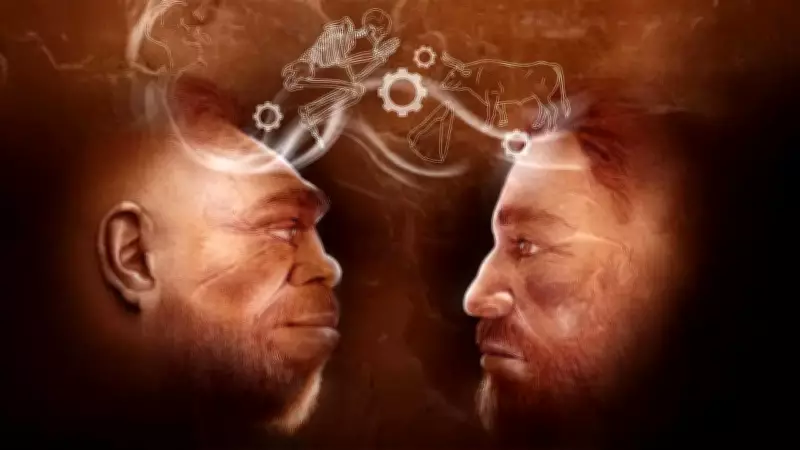
The first comprehensive research findings emerging from Tinshemet Cave are fundamentally reshaping scientific understanding of the relationship between Neanderthals and Homo sapiens during the Middle Palaeolithic period. This groundbreaking study moves beyond simple coexistence narratives to reveal a much more intricate and interconnected history between different human groups in the Levant region.
Unearthing a Shared History in Central Israel
Tinshemet Cave, situated in central Israel, has been under systematic excavation since 2017 through a collaborative effort led by researchers from Hebrew University of Jerusalem and Tel Aviv University. The study, recently published in the prestigious journal Nature Human Behaviour, represents the first detailed scientific report from this significant archaeological site.
The research presents compelling evidence that early human history in this region was characterized not by clear divisions between groups, but rather by extensive periods of contact, movement, and cultural exchange. The Levant emerges from this research not as a boundary separating populations, but as a dynamic meeting point where different human groups repeatedly crossed paths and interacted.

Archaeological Evidence Points to Cultural Overlap
The Tinshemet Cave excavations have yielded a remarkable mix of human remains, stone tools, and ritual evidence that collectively suggest substantial interaction between Neanderthals, early Homo sapiens, and possibly even pre-Neanderthal populations. What makes these findings particularly significant is not just their age, but how they demonstrate connections across different human groups.
The stone tools discovered at the site present a particularly telling story. These artifacts show manufacturing patterns that archaeologists cannot easily assign to any single human group. Some techniques closely resemble traditional Neanderthal methods, while others align more closely with early Homo sapiens traditions, suggesting knowledge transfer or shared technological practices.
Revolutionary Burial Discoveries
One of the most striking findings from Tinshemet Cave involves the discovery of multiple human burials, representing the first mid-Middle Palaeolithic burials identified in the region in over fifty years. These graves contain carefully arranged stone tools, animal bones, and pieces of ochre, indicating intentional burial practices dating back approximately 110,000 years.
The presence of formal burials at this early period suggests that such practices may not have been limited to specific human groups, but could have spread across populations through cultural contact and exchange. This evidence points to stronger social bonds and shared ritual behaviors than previously assumed for this period of human history.
Symbolic Behavior and Cultural Exchange
The widespread presence of ochre at Tinshemet Cave provides additional evidence of complex cultural interactions. Red and orange pigments appear across multiple excavation layers, with researchers suggesting possible use for body decoration or symbolic purposes.
This evidence of potential symbolic behavior carries significant implications for understanding early human cognition and social organization. While researchers remain cautious about definitive interpretations, the ochre findings suggest that Neanderthals and Homo sapiens may have shared certain symbolic practices in this region, creating overlapping cultural traditions rather than completely distinct ones.
The Levant as a Crossroads of Human History
Professor Yossi Zaidner and his research colleagues describe the Levant during the mid-Middle Palaeolithic as a "crossroads" where human populations moved through, settled for generations, and then moved onward. During periods of favorable climate, the region appears to have been densely utilized by various human groups.
Dr. Marion Prévost has suggested that demographic growth in the region likely intensified these interactions, creating conditions for:

- Increased cultural exchange between groups
- Shared knowledge about hunting strategies and resource utilization
- Potential competition for resources and territory
- Development of overlapping technological traditions
Changing Perspectives on Human Evolution
While Tinshemet Cave continues to be excavated, with more findings expected in coming years, the initial results already challenge traditional views of strict separation between Neanderthals and Homo sapiens. Instead of imagining isolated groups evolving along parallel tracks, the evidence increasingly supports a model of contact zones where cultures shifted and blended over time.
The emerging picture suggests that early human society in the Levant was shaped not by isolation, but by intersections between different human groups. This research contributes to a growing body of evidence that human evolution involved complex networks of interaction, exchange, and cultural transmission that defy simple categorization.
As excavations continue at Tinshemet Cave, archaeologists anticipate that further discoveries will continue to refine our understanding of how different human groups interacted, exchanged knowledge, and potentially influenced each other's cultural and technological development during this crucial period of human history.