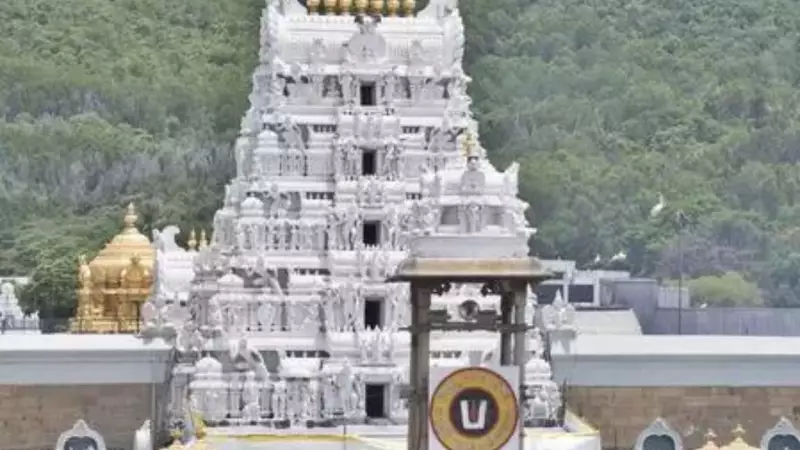
The renowned Tirumala Venkateswara Temple in Tirupati will observe a special closure on Sunday, March 3, 2024, due to a lunar eclipse. The temple administration, Tirumala Tirupati Devasthanams (TTD), has announced that the shrine will remain shut for devotees for over ten hours.
Temple Timings and Ritual Details
The temple will be closed from 9:00 am until 7:30 pm on March 3, which falls just a day before the Holi festival. This extended closure is to accommodate the celestial event and the subsequent purification ceremonies. The lunar eclipse itself is expected to last for nearly three and a half hours, from 3:20 pm to 6:47 pm.
Following the eclipse, traditional 'suddhi' or purificatory rites will be performed to cleanse the temple premises. Offline darshan for devotees is scheduled to resume at 8:30 pm after the completion of these rituals. The TTD has appealed to all pilgrims to cooperate with these arrangements.

Sevas and Ceremonies Affected
Due to the eclipse, several important sevas (religious services) have been cancelled for the day. This includes:
- Ashtadala Pada Padmaradhana (worship of the Lord's feet with eight-petaled lotus flowers)
- Kalyanotsavam (the celestial wedding ceremony)
- Unjal Seva (the swing ceremony)
- Arjita Brahmotsavam (a ceremonial procession)
- Sahasra Deepalankara (the lamp illumination ceremony)
Why Temples Close During Eclipses
In Hindu tradition, both solar and lunar eclipses are considered inauspicious periods. Consequently, all religious activities, including puja and other holy tasks, are suspended. Temples across the world typically close their doors during this time. As per custom, Tulsi leaves are often placed in cooked food items, and post-eclipse purification involves rituals with Ganga jal and snan (bath), depending on local practices.
The Tirumala Temple, also known as Tirupati Balaji, is located on the seven hills of Tirumala in Andhra Pradesh. It is one of the world's richest and most-visited Hindu temples, attracting millions of devotees annually. Its history dates back to around 300 CE, built by the Tamil king Thondaiman, and it flourished under subsequent dynasties like the Pallavas, Cholas, Pandyas, and Vijayanagara. Managed by the TTD since the British era, the temple is famous for daily rituals like the Suprabhatam and grand festivals like Brahmotsavams, which draw over 75,000 visitors each day.