The Journey Toward Inclusive Toys: A Historical Perspective
Efforts to make toys more representative and inclusive are not a new phenomenon in the global toy industry. For decades, manufacturers, retailers, and advocacy groups have grappled with the challenge of creating playthings that reflect the diverse world children inhabit. However, the historical path toward this goal has been fraught with missteps and shortcomings that reveal deeper societal issues.
Past Efforts: A Legacy of Improper and Ignorant Approaches
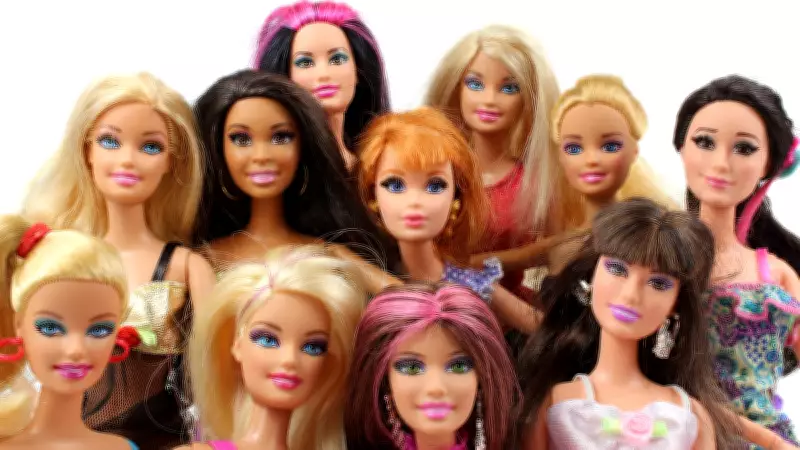
In the past, attempts to introduce diversity into the toys aisle were often characterized by improper execution and a profound lack of understanding. Many early initiatives relied on superficial or stereotypical representations that failed to capture the authentic experiences of marginalized communities. These efforts frequently stemmed from a place of ignorance, where toy creators did not engage meaningfully with the groups they aimed to represent.
For instance, dolls and action figures from previous eras sometimes featured exaggerated features or culturally insensitive designs that perpetuated harmful biases rather than fostering inclusion. The marketing strategies accompanying these toys often reinforced narrow narratives, limiting children's exposure to a broader spectrum of identities and cultures.

The Impact on Childhood Development and Society
The consequences of these flawed approaches extend beyond the toy shelf. Toys play a crucial role in shaping children's perceptions of themselves and others. When playthings lack diversity or present inaccurate portrayals, they can contribute to feelings of exclusion among some children while reinforcing stereotypes in others. This dynamic has long-term implications for social cohesion and individual self-esteem.
Research in child psychology suggests that inclusive toys can promote empathy, reduce prejudice, and support positive identity formation. Conversely, the historical prevalence of non-representative toys has likely hindered these developmental benefits for generations.
Modern Shifts and Ongoing Challenges
In recent years, there has been a noticeable shift toward more thoughtful and authentic representation in the toy industry. Companies are increasingly collaborating with diverse communities to create products that celebrate various cultures, abilities, and backgrounds. This progress, however, is uneven and continues to face obstacles such as market resistance and entrenched manufacturing practices.
The journey toward truly inclusive toys is ongoing, requiring sustained effort from all stakeholders. As society becomes more aware of the importance of representation, the demand for toys that reflect this diversity is likely to grow, pushing the industry toward more innovative and respectful solutions.