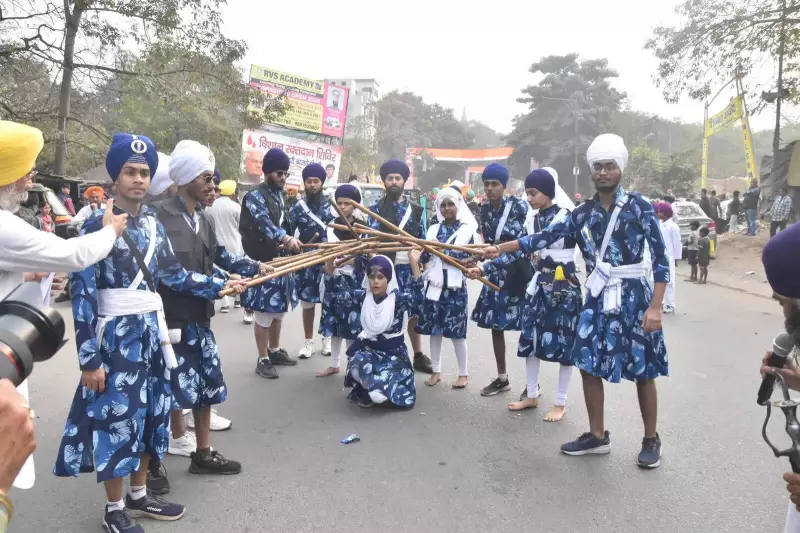
The streets of Jamshedpur and Seraikela-Kharsawan came alive with the vibrant colors and rhythms of Jharkhand's rich heritage on Sunday. A grand cultural procession, marking the popular harvest festival of Tusu Parab, drew large crowds as it wound its way through the adjoining industrial towns.
A Spectacle of Music and Dance
Scores of girls, dressed in traditional attire, danced energetically to popular Tusu tunes, infusing the parade with infectious energy. The air resonated with a powerful blend of sounds—from the traditional beats of the dhol-nagara to the modern notes of the singh baja. This musical backdrop was further enriched by the rustic melodies of the banam and bamboo flute, creating an authentic festive atmosphere for the revelers who braved the cold weather to participate.
Organizers and Core Objectives
The procession was organized by two prominent cultural bodies. The Chotanagpur Kudmi Kala Sanskriti Manch (CKKSM) led the parade from Gamharia in Seraikela, while the Brihad Jharkhand Kala Sanskriti Manch (BJKSM) organized it from the Dimna end in Jamshedpur. A key highlight was the display of towering and beautifully decorated Tusu Chowdals, temple-like structures that captivated the onlookers.

Anup Mahato, founder and president of CKKSM, stated that the primary objective was to revive the fading cultural heritage of the Chotanagpur region. He, along with BJKSM president Deepak Ranjit, emphasized that the event also served as a platform to urge the government to grant Scheduled Tribe (ST) status to the Kudmi community and include the Kudmali language in the Eighth Schedule of the Constitution.
Community Participation and Safety Measures
Enthusiasts like Sandesh Mahato, who has participated in all five editions of the yatra, expressed how engaging and inspiring the event was. To ensure the safety of the massive crowd, the traffic police implemented a prohibition on the entry of heavy vehicles along the procession route. This fifth edition of the Tusu Parab yatra successfully showcased the state's cultural music, folk dance, and craftsmanship, turning the streets into a dynamic canvas of tradition and community spirit.