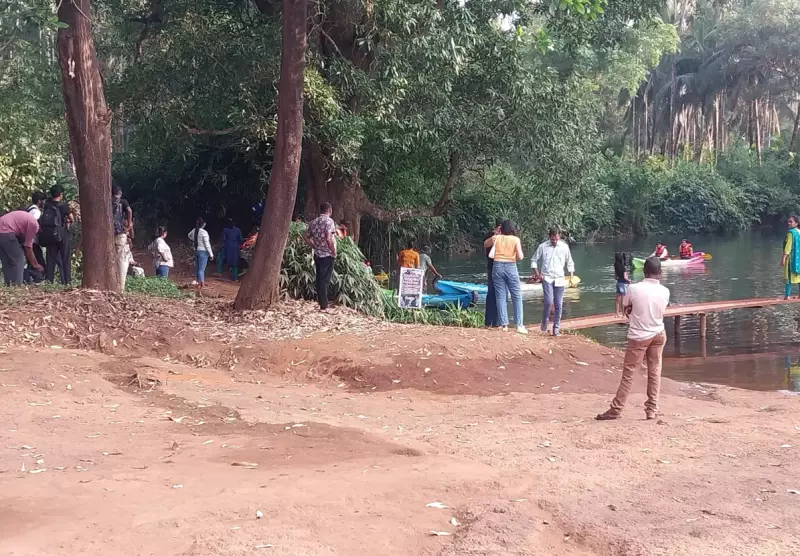
The serene and archaeologically significant site of Pansaimol in Rivona, Goa, known for its prehistoric rock art, is facing a new and unexpected threat. The site has recently become a popular spot for kayaking activities on the Kushvati river, but these commercial operations are reportedly running without the necessary government permissions, raising serious concerns about the preservation of this protected heritage.
Protected Site Under Threat
Pansaimol's rock art is not just a local attraction; it is a protected archaeological heritage site under Indian law. The Goa Ancient Monuments and Archaeological Sites and Remains Rules of 1986 explicitly state that such a site cannot be used for any form of entertainment or commercial activity unless written permission is obtained from the government. Nilesh Phaldesai, the director of archaeology for Goa, has confirmed that his department has not issued any No Objection Certificate (NOC) for kayaking or other water sports at Pansaimol. This makes the current tourist activities there a clear violation of the rules designed to safeguard history.
International Significance and Local Concerns
The importance of Pansaimol extends far beyond Goa's borders. The site, along with the geoglyphs found in the Konkan region of neighbouring Maharashtra, is featured on UNESCO's Tentative List. This list is an official inventory of properties that India plans to nominate for World Heritage Site status, highlighting their outstanding universal value. The encroachment of commercial activities directly jeopardises this prestigious recognition process.

Local visitors have voiced their alarm. Sandesh Vantekar from Sattari, who recently visited Pansaimol, observed that the kayaking activity near the ancient petroglyphs is drawing large crowds of tourists. He warns that this influx is disturbing the serenity of the area and poses a tangible threat to the fragile rock art and its surrounding environment.
The Path Forward: Enforcement and Awareness
The situation at Pansaimol presents a classic conflict between promoting tourism and preserving irreplaceable cultural heritage. While responsible tourism can aid conservation, unauthorised commercial ventures do the opposite. The findings indicate a gap in on-ground enforcement of the existing 1986 rules. Moving forward, it will require concerted action from the state archaeology department and local authorities to halt the unauthorised operations and educate both tour operators and the public about the site's protected status and global significance.
The core issue remains clear: a prehistoric treasure, poised for global recognition, is being put at risk for short-term recreational gain. Protecting Pansaimol is crucial not only for Goa's history but for a heritage that belongs to all of humanity.