Have you ever paused during a game of Snakes and Ladders to consider its deeper meaning? Beyond the simple roll of the dice and the climb up ladders or slide down snakes, this beloved pastime holds a mirror to the universe itself. A fascinating perspective suggests that life, the cosmos, and our spiritual evolution can all be understood through the mechanics of this ancient Indian game.
The Ancient Roots of a Spiritual Metaphor
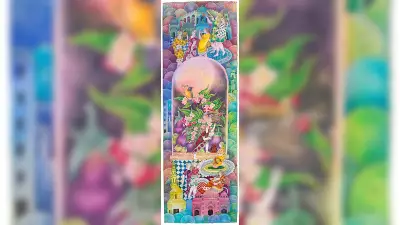
Originally known as 'Moksha Patam' or 'Gyan Chaupar', the game we casually play today has profound philosophical origins. It was not designed merely for children's entertainment but served as a tool for moral and spiritual instruction. The game's final goal, reaching square 100, symbolized the ultimate achievement of moksha, or liberation from the cycle of rebirth.
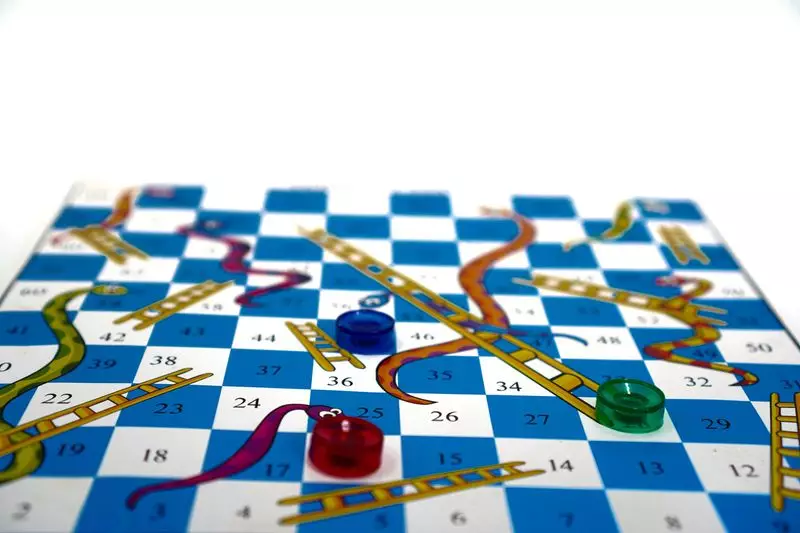
Each square on the board represented a different state of being or a facet of existence. The ladders, often depicted at squares of virtue, represented good deeds, knowledge, and compassion that elevate the soul. Conversely, the snakes symbolized vices like greed, anger, and ego that cause a spiritual downfall. This intricate design turned a simple board into a map of the soul's journey.

The Universe as the Ultimate Game Board
Expanding this metaphor, we can view the entire cosmos as a grand, cosmic game of Snakes and Ladders. In this interpretation, our lives are the playing pieces, and the dice roll signifies the element of chance or destiny—the unpredictable events that shape our path. The physical laws of the universe, the societal structures we live in, and the karmic principles many believe in form the immutable rules of this game.
Every decision we make acts as a potential ladder or snake. A choice driven by empathy and wisdom can propel us forward, much like landing on a ladder's base. A decision rooted in fear or malice can send us spiraling down, mirroring the fateful slide from a snake's head. This view frames existence not as a random series of events, but as a participatory game where our actions have direct consequences on our spiritual position.
Modern Life Through the Lens of the Game
This ancient wisdom remains strikingly relevant today. Consider a professional setback—a missed promotion or a failed project. Viewed through the game's metaphor, this is a slide down a snake. It is not a permanent defeat but a temporary descent, offering lessons in resilience and humility. Conversely, an unexpected opportunity or a moment of profound personal growth is a climb up a ladder, rewarding past efforts and elevating one's state.
The game teaches a crucial lesson about equanimity. A player must accept both the climbs and the slides with grace, understanding that the game is ongoing until the final goal is reached. Similarly, in life, becoming overly attached to a high square (success, fame) or devastated by a slide (failure, loss) disrupts the inner peace needed to play wisely. The focus must remain on the journey and the ultimate objective, not the temporary highs and lows.
Beyond Winning: The Journey to Self-Realization
The ultimate purpose of the cosmic game is not mere material accumulation or social status, which are just squares on the board. The true goal is self-realization and liberation. Every interaction, every challenge, and every joy is a move on this board. The snakes, or challenges, are not punishments but necessary corrections, guiding the soul back toward the path of growth.
This philosophy encourages a shift in perspective. It asks us to see life not as a brutal struggle for survival but as a meaningful play (Leela) with a spiritual purpose. It fosters responsibility for one's actions (karma) and patience with the process. Understanding that a slide down is often followed by a chance to climb again instills hope and perseverance.
In a world obsessed with linear progress and instant gratification, the Snakes and Ladders metaphor offers a timeless, cyclical wisdom. It reminds us that the path to enlightenment is non-linear, filled with advances and setbacks, all of which are integral to the soul's education. The next time you see that classic board, remember—you are already a player in the most profound game there is, and every move counts toward your ultimate liberation.