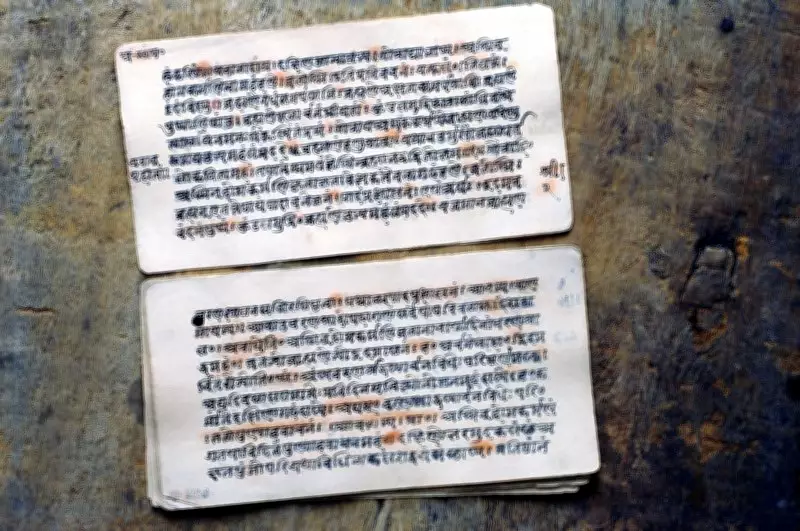
Universe Upanishads vs. Dharma Shastra: A Philosophical Debate on Cosmic Order
The ancient Indian philosophical tradition presents a rich tapestry of texts that explore the nature of reality, ethics, and spiritual principles. Among these, the Universe Upanishads and Dharma Shastra stand out as two significant but often contrasting bodies of work. This article delves into their core differences, examining how they approach concepts of cosmic order, human duty, and the ultimate truth.
Understanding the Universe Upanishads
The Universe Upanishads, part of the larger Vedic corpus, are primarily focused on metaphysical inquiries and spiritual enlightenment. They emphasize the unity of the individual soul (Atman) with the universal soul (Brahman), advocating for a path of knowledge (Jnana) and meditation to achieve liberation (Moksha). These texts often challenge ritualistic practices and societal norms, promoting a more introspective and universal approach to spirituality.
Key themes in the Universe Upanishads include:- The concept of Brahman as the ultimate, formless reality.
- The importance of self-realization and inner wisdom.
- A critique of material pursuits and external rituals.
The Role of Dharma Shastra
In contrast, Dharma Shastra texts, such as the Manusmriti, provide detailed guidelines for social conduct, law, and ethics based on the principles of Dharma (duty or righteousness). They are prescriptive in nature, outlining duties for different castes (Varnas) and stages of life (Ashramas), with a strong emphasis on maintaining social order and hierarchy. Dharma Shastra often prioritizes societal stability and ritual purity over individual spiritual quests.

- Strict codes of conduct for various social groups.
- Emphasis on rituals, duties, and legal frameworks.
- A focus on worldly responsibilities and moral obligations.
Comparative Analysis: Cosmic Order and Ethics
The debate between Universe Upanishads and Dharma Shastra centers on their differing views of cosmic order. Universe Upanishads propose a cosmic order based on spiritual unity and transcendence, where individual liberation is paramount. They often view societal structures as secondary to the pursuit of ultimate truth. On the other hand, Dharma Shastra defines cosmic order through social harmony and adherence to prescribed duties, arguing that fulfilling one's Dharma contributes to the stability of the universe.
Ethically, Universe Upanishads advocate for universal compassion and non-attachment, while Dharma Shastra emphasizes duty-bound actions specific to one's social position. This contrast highlights a fundamental tension in Indian philosophy between inner spiritual freedom and external social conformity.
Implications for Modern Thought
This philosophical debate remains relevant today, as it raises questions about the balance between individual spirituality and societal obligations. In contemporary contexts, the insights from Universe Upanishads can inspire a more inclusive and introspective approach to ethics, whereas Dharma Shastra's principles might inform discussions on law and social justice. Understanding both perspectives enriches our appreciation of India's intellectual heritage and its ongoing influence on global philosophy.
In summary, the Universe Upanishads and Dharma Shastra offer distinct yet complementary views on cosmic order, ethics, and human purpose. While the Upanishads guide us toward spiritual liberation through knowledge, Dharma Shastra provides a framework for righteous living in society. This comparative analysis underscores the diversity and depth of ancient Indian thought, inviting further exploration into its timeless wisdom.