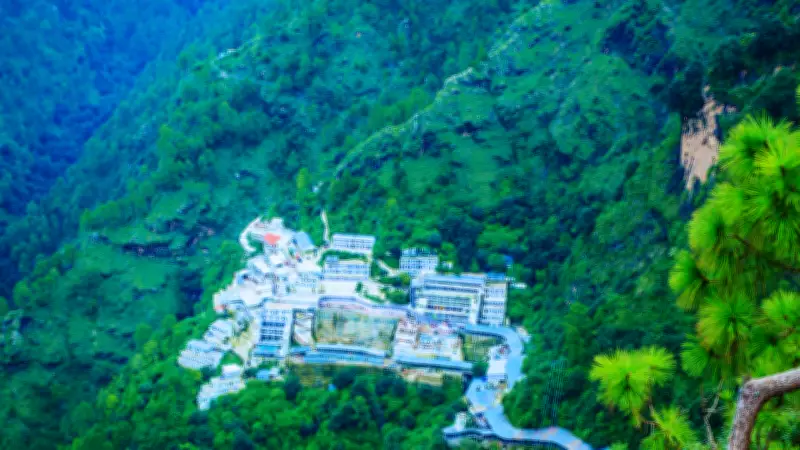
Shri Mata Vaishno Devi Shrine Board Launches Comprehensive Katra Transformation Plan
The Shri Mata Vaishno Devi Shrine Board has unveiled an ambitious and detailed roadmap to completely transform Katra into a clean, vibrant town equipped with cutting-edge modern infrastructure. This sweeping initiative aims to significantly improve the quality of life for local residents while simultaneously enhancing the experience for the millions of pilgrims who visit the holy shrine annually, according to official reports.
Leadership Commitment to Global Standards
Jammu and Kashmir Lieutenant Governor Manoj Sinha, who also serves as Chairman of the Shri Mata Vaishno Devi Shrine Board, emphasized that the Board has made a strategic decision to contribute directly to Katra's comprehensive transformation. This commitment stems from recognizing the city's substantial global visibility due to its deep association with the sacred shrine.
Chairing a crucial meeting of the Shrine Board, Lieutenant Governor Sinha stated that the abode of Mata Vaishno Devi has firmly placed Katra on the global spiritual map, bringing with it a profound responsibility to ensure world-class facilities, exceptional cleanliness, and sustainable development throughout the region. He revealed that a series of high-impact decisions have been formally approved to transform the shrine and its surrounding areas into one of India's most vibrant and respected spiritual destinations, earning international recognition and admiration.

Major Cultural and Spiritual Initiatives
Among the most significant initiatives approved by the Shrine Board is the establishment of an international museum dedicated to the spiritual heritage of Maa Shakti. This museum is designed to become a premier cultural and spiritual landmark in the region, enabling pilgrims and general visitors to gain deep insight into the spiritual significance and historical context of the shrine.
The Board has also given its approval for the creation of a sophisticated sound-and-light spectacle, modeled after globally renowned pilgrimage destinations. This immersive show is expected to narrate the compelling story of Mata Vaishno Devi and the region's rich spiritual legacy, while adding a completely new experiential dimension for pilgrims visiting Katra.
Similarly, the Shrine Board has sanctioned the production of a comprehensive documentary on the Mata Vaishno Devi Shrine that will cover its spiritual, cultural, and historical significance. This documentary aims to present the shrine's story to broader national and international audiences, increasing its global profile.
Employment and Educational Development Programs
Addressing critical employment and human resource needs, Lieutenant Governor Sinha announced that the Shrine Board has decided to fill all vacant positions, with the recruitment process scheduled to begin shortly. This strategic move is expected to substantially strengthen the Board's operational capacity while creating valuable employment opportunities within the region.
In a parallel initiative targeting social development, the board approved the establishment of coaching centers that will offer free NEET courses to youths from various neighborhoods. The primary objective is to improve access to quality coaching, thereby preparing local youth to effectively compete in medical entrance examinations and pursue careers in healthcare.
Sustainable Development and Economic Initiatives
The Shrine Board has approved the formulation and phased implementation of a rehabilitation plan for service providers who operate along the Mata Vaishno Devi track, including ponywallas and other key stakeholders. This rehabilitation will be implemented in strict accordance with directives laid out by the National Green Tribunal, ensuring environmental compliance.
To further strengthen pilgrimage management, the Board has constituted a specialized committee to assess strategies for expanding pilgrimage numbers, improving crowd management systems, and enhancing the overall pilgrim experience. This committee will submit its detailed recommendations to the Shrine Board for careful consideration and implementation.

In a significant push to boost the regional economy, the Shrine Board has resolved to prioritize procurement from self-help groups, women entrepreneurs, and young local business owners. This forward-thinking policy is specifically aimed at ensuring that economic benefits generated by pilgrimage activities flow directly to local communities, fostering inclusive growth.
Another crucial decision taken by the Board concerns Mata Vaishno Devi's offerings: implementing local sourcing practices that will channel funds directly into the local economy, creating sustainable revenue streams for community members.
Commitment to Holistic Development
Lieutenant Governor Sinha emphasized that these comprehensive decisions reflect the Shrine Board's unwavering commitment to sustainable development, inclusive economic growth, and improved infrastructure, while carefully preserving the sanctity and spiritual character of the Mata Vaishno Devi Shrine. Furthermore, he clarified that the Board's initiatives are directed not only toward providing superior facilitation to pilgrims but also toward securing long-term economic benefits for the people of Katra and surrounding areas, creating a virtuous cycle of development and prosperity.
The transformation plan represents a holistic approach to development that balances spiritual preservation with modern infrastructure, local economic empowerment with global standards, and immediate improvements with long-term sustainability goals. This ambitious initiative positions Katra to become a model pilgrimage destination that serves both spiritual seekers and local communities with equal dedication and effectiveness.