Valentine's Day Observances Remain Subdued in Amritsar Amid Cultural Sensitivities
Valentine's Day celebrations in Amritsar, Punjab, were observed with a notably low-key demeanor this year, with minimal public displays of affection and reduced commercial fanfare. The city, known for its rich cultural heritage and religious significance, saw a restrained approach to the occasion, reflecting ongoing social and cultural sensitivities that have historically influenced such observances.
Public and Commercial Response
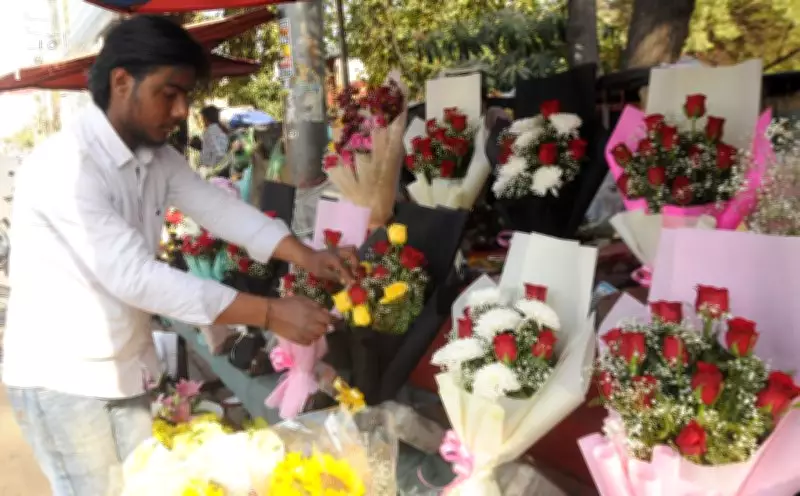
Reports indicate that public spaces in Amritsar, including parks and popular hangout spots, witnessed fewer couples celebrating compared to previous years. Shopkeepers and vendors noted a decline in sales of Valentine's Day-themed items such as cards, gifts, and flowers, with many opting for a more subdued inventory. Restaurants and cafes, while open, did not report significant surges in bookings or special event promotions, suggesting a tempered commercial response to the day.
Cultural and Social Factors
The muted celebrations can be attributed to several factors, including cultural norms and local sentiments that often prioritize traditional values over Western-inspired holidays. Community leaders and residents have expressed mixed views, with some advocating for a focus on indigenous festivals, while others acknowledge the day but prefer private observances. This aligns with broader trends in parts of India where Valentine's Day faces periodic scrutiny or low participation due to societal pressures.

Historical Context and Comparisons
In past years, Amritsar has seen varying levels of Valentine's Day activity, often influenced by local events and broader national discourse. This year's subdued nature contrasts with more vibrant celebrations in metropolitan areas, highlighting regional differences in cultural adoption. Authorities maintained a routine presence, with no major incidents reported, underscoring the peaceful yet quiet observance across the city.
Implications and Outlook
The low-key celebrations in Amritsar reflect a complex interplay of cultural identity, social norms, and economic factors. As global influences continue to permeate, such observances may evolve, but for now, they remain tempered by local sensibilities. This trend underscores the importance of understanding regional nuances in how festivals and holidays are embraced across diverse Indian communities.