Velha's Santachem Pursao: A Timeless Tradition Uniting Generations and Continents
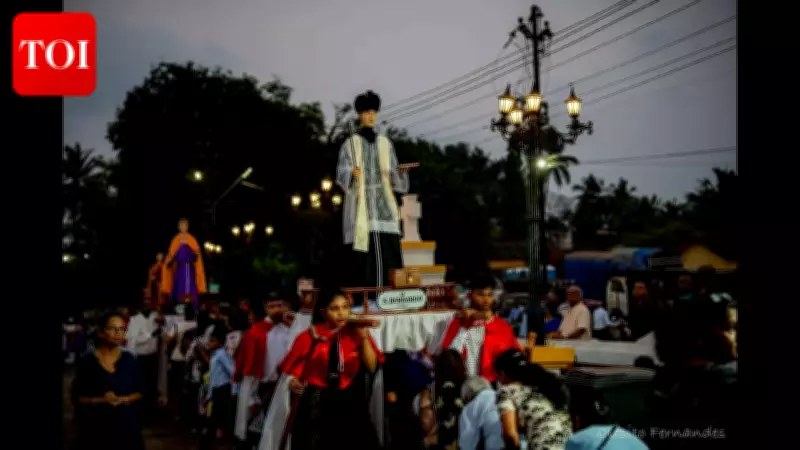
For the residents of Velha, the Santachem Pursao is far more than a simple religious procession; it represents a profound moment of reunion and shared cultural identity. Each year, over 1,000 people gather at St Andrew's Church to celebrate this cherished tradition, transforming the event into a vibrant community gathering that transcends geographical boundaries.
A Procession That Bridges Distances
The annual event, commonly referred to as the procession of saints, features 31 meticulously crafted wooden figures being carried through the village streets. What makes this tradition particularly special is its ability to attract not only local participants but also families who make dedicated journeys from distant locations to return home specifically for this occasion.
Marcus Fernandes exemplifies this cross-continental connection, having traveled from the United Kingdom with his entire family to experience the procession for the very first time. "My father attended these processions as a child and even carried the palanquin himself," Marcus explains. "After relocating to the UK, he couldn't return for many years. He desperately wanted to witness this tradition again and share it with his grandchildren."

Evolving Towards Greater Inclusivity
Long-time Velha resident Anthony Fernandes observes how the event has transformed over decades, reflecting a more inclusive and welcoming spirit. "In earlier times, only local villagers were permitted to carry the sacred palanquin," Anthony shares. "Today, we proudly welcome participants from neighboring villages and communities, making this a truly regional celebration of our shared heritage."
Generations of Dedicated Preparation
Behind the spectacular public display lies months of meticulous preparation and the dedicated efforts of families who have preserved this tradition across multiple generations. The Mendes family has been responsible for preparing the 31 wooden figures for decades, with their involvement spanning at least four generations.
"Our family has been undertaking this sacred work for four generations, perhaps even longer," reveals Alfred Mendes. The preparation process begins approximately 15 to 20 days before the main event, with each wooden figure carefully assembled, dressed in traditional attire, and prepared for the procession. Following the celebration, these figures are respectfully dismantled and stored with great care, awaiting their next appearance in the following year's event.
This annual cycle of preparation, celebration, and preservation ensures that the Santachem Pursao remains not merely a historical relic but a living, breathing tradition that continues to unite communities, bridge generations, and maintain cultural continuity in an ever-changing world.