The animal kingdom is full of wonders, but some behaviours leave us shocked and searching for answers. One of the most disturbing to human sensibilities is when a parent animal turns on its own offspring. While it sounds like an act of sheer brutality, science reveals it is most often a stark survival strategy honed by evolution.
The Shocking Logic Behind Filial Cannibalism
Scientists term this act filial cannibalism. Far from being a random or malicious act, it is typically driven by powerful instincts aimed at ensuring survival. When resources are critically scarce, offspring are born weak or ill, or the parent feels threatened, this extreme behaviour can be triggered. Stressful environments, overcrowding, and a lack of safety are common catalysts.
In essence, nature prioritises the survival of the species and the parent over individual offspring. By consuming young that are unlikely to survive, parents conserve precious energy and resources. This harsh logic also helps weed out the weakest, allowing the strongest siblings a better chance and sometimes even regulating population pressure to match the environment's carrying capacity.

11 Animals Known to Practice This Behaviour
This phenomenon is observed across a wide range of species. Here are some notable examples where parents may consume their young.
1. Hamsters: First-time hamster mothers are especially prone to eating their litter. Causes include stress from excessive noise, handling, lack of privacy, or even dehydration.
2. Rabbits: Rabbits may consume stillborn or very weak kits immediately after birth. This serves a hygienic purpose, keeping the nest clean and odour-free to avoid attracting predators.
3. Fish (Guppies, Cichlids): Many fish species will prey on their fry when food is scarce or danger is present. This ensures the strongest offspring survive with less competition.
4. Pigs: While not common, sows under extreme stress, facing space competition, or suffering hormonal imbalances may resort to eating their piglets.
5. Cats: A mother cat may eat kittens that are stillborn or born critically ill. This instinctive behaviour protects the rest of the litter from disease and maintains nest hygiene.
6. Dogs: Similar to cats, dogs might consume puppies that are stillborn or extremely weak at birth. This is not a sign of aggression but a primal instinct.
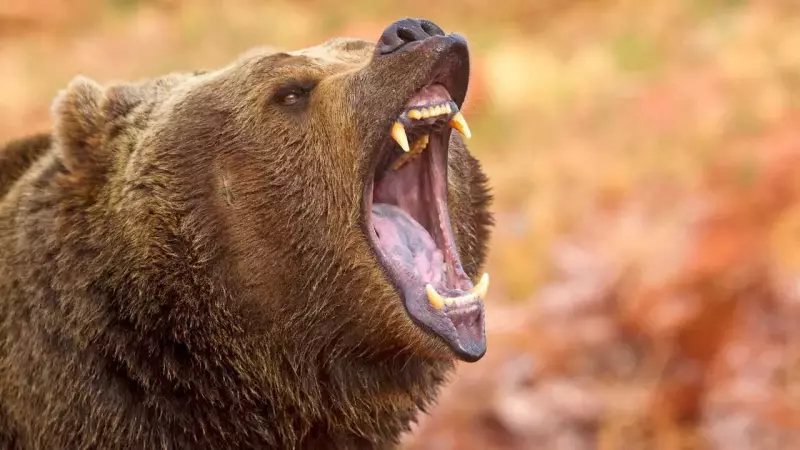
7. Bears: Male bears, particularly, have been observed killing and eating cubs, especially those sired by other males. This grim act can induce the female to come into oestrus again, giving the male a chance to sire his own offspring.
8. Rodents (Mice & Rats): Mice and rats may eat their pups when food is lacking or the babies are unhealthy. Overcrowding is a major stress factor that increases the likelihood of this behaviour.
9. Snakes: Certain snake species, especially constrictors in captivity, may accidentally or confusingly eat their offspring.
10. Insects (Praying Mantises & Beetles): For some insects, consuming their young is a method of population control or a desperate act during starvation. For others, it's a programmed part of their life cycle.
11. Chickens: Hens may peck at and eat chicks if they are stressed, bored, or if the chicks are malnourished. This is more prevalent in crowded or poorly managed coops.
What This Teaches Us About Nature's Priorities
Is this behaviour common in the wild? It occurs, but it is not the norm. In optimal environments with abundant food and safety, most animal parents diligently nurture their young. Filial cannibalism is generally a last-resort response to adverse conditions.
This aspect of animal behaviour offers a profound lesson: nature favours survival over sentiment. What appears as unspeakable cruelty through a human lens is often a calculated, if brutal, strategy to cope with environmental challenges. It demonstrates the relentless pressure of evolution and the extreme measures species employ to endure and propagate. Understanding this shifts our perspective from horror to a more nuanced appreciation of the complex, and sometimes harsh, realities of the natural world.