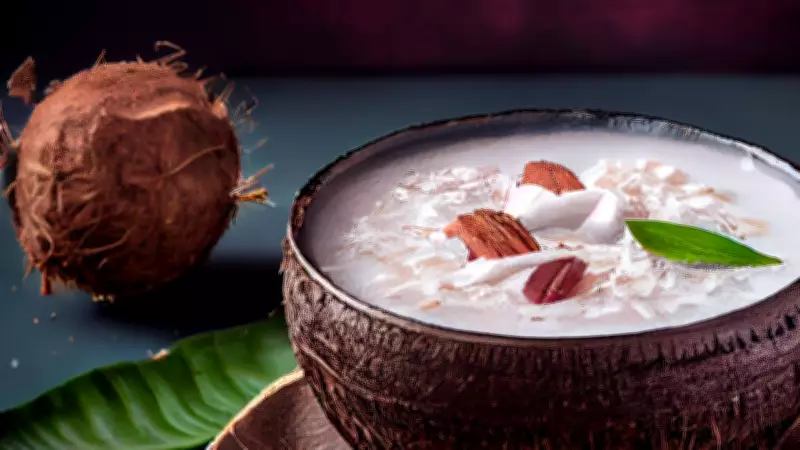
The Sacred Significance of Kheer in Hindu Rituals and Offerings
Have you ever entered a temple and been greeted by the comforting, aromatic scent of cardamom and simmering milk? For countless devotees, that enchanting fragrance evokes nostalgic memories of homemade kheer, a sweet pudding traditionally prepared as bhog, or sacred food, for deities. But what makes kheer such a common yet uniquely revered offering in Indian spiritual practices? This article delves into the profound reasons behind this ancient tradition.
Kheer: The Divine Food of the Gods
Kheer, also known regionally as payesh or payasam, is widely regarded as God's own food and stands as one of the most sacred bhog offerings in Hinduism. Crafted from sattvik ingredients—pure, wholesome foods that promote clarity and harmony—this delectable treat is meticulously prepared using milk, sugar or jaggery, and often enhanced with raisins and nuts. It is slow-cooked to perfection, symbolizing patience and devotion. The tradition of offering kheer to deities dates back to the Vedic era, where it served not merely as an offering but as a spiritual conduit to seek divine blessings, attract peace, and invite prosperity into one's life.
The Spiritual Symbolism of Kheer
For thousands of years, devotees have presented kheer to gods and goddesses, a practice deeply rooted in ancient wisdom and spiritual philosophy. The significance of kheer is multifaceted, beginning with its pristine white color, which symbolizes purity, peace, and tranquility. In Vedic philosophy, white represents positive qualities such as calmness, clarity, and spiritual enlightenment. Made from milk and rice, kheer embodies a soothing, nurturing energy. When offered to deities, it reflects the devotee's aspiration for inner purity and spiritual refinement.

Moreover, the white hue of kheer is associated with the moon, which in Hindu mythology governs emotions and fosters a sense of serenity and balance. This lunar connection enhances kheer's role as a calming offering, helping to counteract the intensity of other ritualistic practices.
Kheer as an Offering of Gratitude and Fortune
Kheer also functions as a profound expression of gratitude to the earth for its bounty. Rice, a staple crop in India, symbolizes fertility, abundance, and good fortune. By cooking rice in milk and offering it to the gods, devotees participate in a cycle of giving back to nature. During certain festivals, freshly harvested rice is used to prepare kheer, reinforcing the continuity of life and ensuring agricultural prosperity.
From a scientific and Ayurvedic perspective, Indian texts classify food into three categories: Sattva (pure and harmonious), Rajas (passionate and active), and Tamas (dull and inert). Kheer is considered a Sattvic food, meaning it is easily digestible and beneficial for the nervous system and overall well-being. When kheer is offered in temples, it is believed to absorb the positive energy of prayers and the sacred environment. Consuming this prasad, or blessed food, thereafter provides not only physical nourishment but also mental calmness and spiritual upliftment.
The Ritualistic and Mythological Dimensions
In specific rituals, kheer is placed outdoors under moonlight, a practice rooted in mythology that the moon imbues the offering with celestial energy. On ordinary days, kheer serves as a cooling, soothing offering that balances the fervor of other religious ceremonies. Ultimately, kheer represents the sweetness of life itself—a heartfelt gesture of love, devotion, and reverence toward the divine. Its preparation and offering encapsulate a rich tapestry of cultural heritage, spiritual intent, and communal harmony, making it an enduring symbol in Hindu worship.