As the sun turns northward, heralding the end of winter's chill, a profound and simple ritual unfolds in millions of Indian households. The humble sesame seed, or 'til', takes center stage, roasted, mixed with jaggery, and offered in charity. This practice, known as Til Daan, is far more than a seasonal tradition; it is a cornerstone of Makar Sankranti's spiritual observances, woven from threads of ancient astrology, karmic wisdom, and holistic health.
The Cosmic Timing: When Karma Awakens
Makar Sankranti is not merely a date on the calendar. It marks the sun's pivotal entry into the zodiac sign of Capricorn (Makara), initiating its Uttarayan journey. In Vedic tradition, this astronomical shift is believed to activate karmic forces. Actions performed during this period are said to carry amplified consequences, making it a critical time for purification and positive deeds. Charity, or 'daan', performed now is thought to yield multiplied returns. Thus, Til Daan is strategically aligned with this cosmic window—it serves as a deliberate karmic reset, an opportunity to lighten one's spiritual ledger.
Why Sesame Seeds Hold Sacred Power
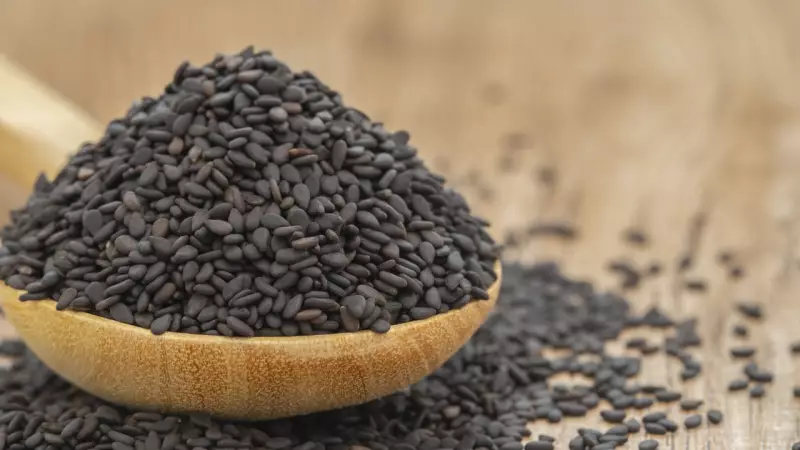
The choice of sesame is deeply intentional. Hindu scriptures elevate til, often describing its origin from divine energy. It holds a sacred connection to Yama, the god of death, and is integral to rituals for ancestors (shraddha) and rites of passage. This association is key: sesame embodies the energy of closure, release, and dissolution of past burdens. When you donate til on Makar Sankranti, you are symbolically offering up your accumulated karmic residue—the subtle weight of past actions, regrets, and unresolved accounts—for release.

The ritual is almost never complete without jaggery. This pairing is symbolic genius. While sesame represents the past karma to be released, jaggery signifies the sweetness of intention for the future. The combined offering sends a clear message: let go of past bitterness and step forward with warmth and goodwill. This philosophy is encapsulated in the popular Marathi saying, "Til-gul ghya, god god bola" (Take sesame and jaggery and speak sweetly), promoting harmony and spiritual alignment.
Body and Soul: The Holistic Wisdom of Til
Ancient Indian spirituality never divorced the physical from the metaphysical, and Til Daan is a perfect example of this integrated wisdom. Makar Sankranti falls in the heart of winter, when the body's digestive fire (agni) is low and vitality needs a boost. Sesame seeds are inherently warming and oily, while jaggery is a nourishing, unrefined source of energy. Together, they provide physical warmth, aid digestion, and boost circulation. A body that is balanced and nourished is considered more receptive to spiritual practice. Therefore, the ritual works simultaneously on a physical and karmic level, offering warmth to the body and lightness to the soul.
The act of giving itself is designed with profound insight. Sesame seeds are small, humble, and unassuming—unlike gold or money. Giving something so simple helps dissolve the giver's ego, emphasizing that spiritual merit flows from sincere intention, not the grandeur of the gift. Furthermore, in the harsh winter season, offering til—a source of fat, protein, and warmth—is an act of sustaining life itself. Spiritual texts highlight that charity which supports survival during times of vulnerability carries exceptional merit.
Thousands of years later, the enduring relevance of Til Daan lies in its multifaceted efficacy. It is a ritual that marks a personal and cosmic transition. It encourages letting go of emotional coldness, adopting kinder speech, nourishing the body, and consciously resetting one's inner account. Makar Sankranti is a celestial turning point, and the simple, sacred sesame seed becomes the key to unlocking a gentler, clearer, and sweeter beginning.