The Holi Paradox: Pristine White in a Festival of Colors
As the air warms and the aroma of gujiya fills kitchens across India, the anticipation for Holi builds. This vibrant festival, known for its wild and messy celebrations, presents a fascinating contradiction. At Bollywood's glamorous parties and local neighborhood gatherings alike, revelers often choose to wear crisp, untouched white attire. This choice is far from random; it is a deeply ingrained tradition with aesthetic, symbolic, and practical roots that have solidified white as the unofficial uniform of Holi.
The Ultimate Walking Canvas for Vivid Colors
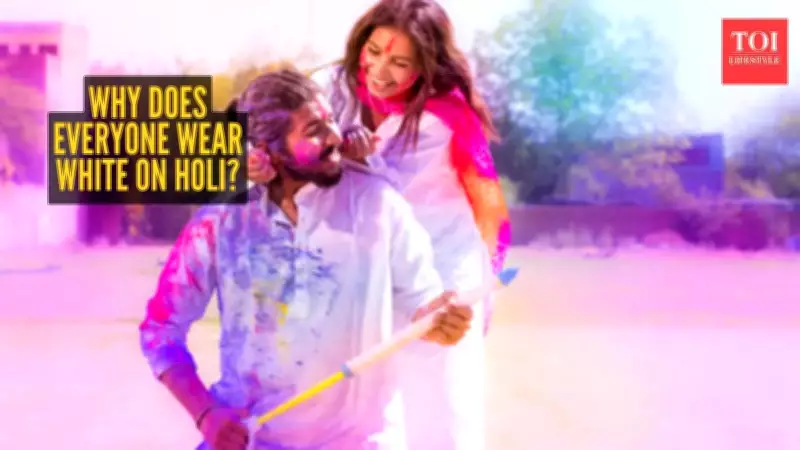
From a visual perspective, white serves as the perfect backdrop for Holi's explosion of hues. Imagine stepping out in a stark white kurta or a simple white tee—you become a living, breathing piece of art. The vibrant pinks, bright yellows, and electric greens of gulal (color powder) pop brilliantly against a white canvas. In contrast, dark clothing would cause colors to muddy together, diminishing their impact. White maximizes the visual spectacle, transforming every participant into a walking display of vivid, dynamic colors that capture the festival's energetic spirit.
Symbolism of Purity and New Beginnings
Beyond aesthetics, white carries profound cultural significance. Across many traditions, white symbolizes purity, peace, and brotherhood. Holi is not merely about playful water fights; it is a time to reset relationships, forgive old grudges, and mend broken friendships. By wearing white, individuals metaphorically embrace a clean slate, aligning with the festival's core message of harmony and renewal. This choice beautifully encapsulates the spirit of coming together in unity, ready to start afresh with positive energy.

Practical Considerations for a Messy Celebration
Let's address the practical side: Holi is inherently messy. Clothes are likely to be stained with colors that resist even the strongest detergents. Opting for an inexpensive, plain cotton outfit or an old white t-shirt from the closet reduces stress. You can wear it, enjoy the festivities without worry, and then either discard it guilt-free or save it as designated Holi attire for future years. This practicality makes white a smart, economical choice for a day dedicated to unrestrained fun.
Comfort in the Spring Heat
Weather plays a crucial role in this tradition. Holi typically falls in March, coinciding with the onset of India's warmer spring and summer seasons. Celebrations often span hours outdoors under the sun, making heavy or dark clothing uncomfortable. Light, breathable white cotton offers relief, helping participants stay cool and enjoy the festivities without overheating. This comfort factor further cements white's status as the ideal color for Holi.
In summary, whether for its aesthetic appeal, heartfelt symbolism, or sheer practicality, white undeniably reigns as the ultimate color of Holi. As you prepare your outfits for the celebrations, embrace this tradition that enhances the joy and vibrancy of the festival. Have a fantastic and colorful Holi!