

The Evolution of Fashion Post-Pandemic: A Journey to Intentional Dressing
Could 2026 mark the year when fashion finally finds its equilibrium? It has been nearly six years since the COVID-19 pandemic disrupted global norms, fundamentally altering lifestyles and sartorial choices. During the lockdowns, functionality dominated clothing, with comfort reigning supreme. Tracksuits, pajamas, and slip dresses became everyday staples, as even iconic figures like Anna Wintour embraced pared-back knitwear paired with jogger pants.
The Rise of Revenge Dressing and Its Aftermath
As restrictions eased, the fashion pendulum swung dramatically in the opposite direction. "Revenge dressing" emerged as a dominant trend, with individuals using extravagant outfits as a form of cathartic release after prolonged confinement. "Post-pandemic, overdressing definitely became the norm. We had all been holding back for so long," explains Shweta Kapur, founder and creative director of the label 431-88. "Living in comfortable clothes meant that whenever there was an opportunity to step out, you wanted to dress well, look good, put on makeup and really make an effort."
This desire for extravagance extended beyond personal attire. In India, grand weddings returned with amplified scale and spectacle, epitomized by the Ambani-Merchant celebrations that redefined expectations for opulence and global attention. Concurrently, India's growing prominence at events like the Met Gala permeated popular culture, transforming occasions such as birthdays and brand launches into red-carpet moments.

Fueled by social media, the goal shifted to standing out, with excess becoming the default. Dressing for photographs often overshadowed dressing for experiences, making over-the-top fashion the new normal.
The Shift Towards Intentional Dressing in 2026
Now, a transformative shift is underway, centering on intentional dressing. Aastha Sharma, a stylist, costume designer, and bridal personal shopper, observes: "I've always loved drama. I've lived for big statement gowns, theatrical silhouettes and unapologetic glamour on the red carpet. For years, that's been my language. But I do feel something is changing."
This evolution does not signify a loss of enthusiasm for dressing up but rather a refinement into a new sensibility. Sharma adds: "Now what excites me is a different kind of drama. Not the obvious kind, but the quiet confidence of balance and simplicity. Over-the-top has started to feel boring. I'm still drawn to impact, but I want it to feel intentional."
In an era where intent has become a cultural buzzword, this approach represents a natural progression from years of excess. It involves mindful selection of attire based on purpose rather than reaction, allowing clothing to enhance daily experiences. This philosophy distinguishes between dressing for visibility and dressing for authenticity.
Designer Innovations and Market Trends
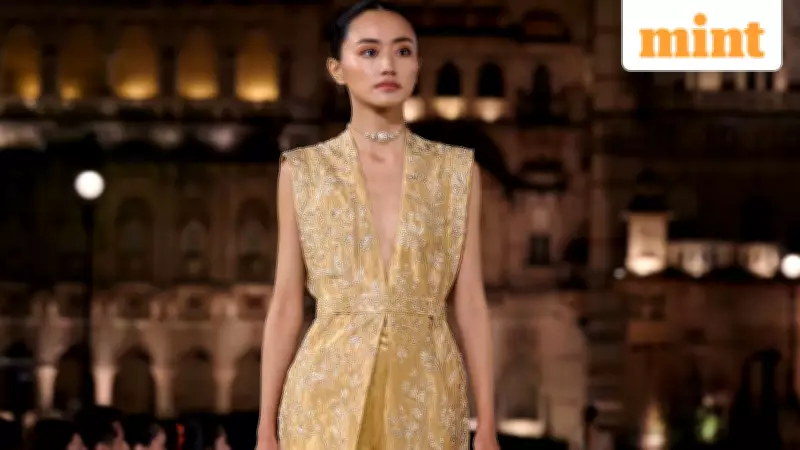
Reflecting this trend, Shweta Kapur launched her first bridal line in late 2025 with the Instagram caption "Less ornament. More intent," showcasing contemporary lehengas designed for ease over opulence. The collection features draped and tailored pieces with understated embroidery in white and muted metallics, targeting brides seeking simplicity.
Kapur notes: "My bridal collection came from a sense of restraint, largely because I personally felt a fatigue with overdressing—something I experienced very strongly when I was shopping for my own wedding." While acknowledging its niche appeal, she identified a market gap for essentials-led aesthetics, catering to modern brides—often working women marrying later in life—who prioritize experiences over spectacle.
"With the economy and changing priorities, people would rather spend on experiences, a great holiday, a great meal, time with loved ones than on spectacle purely for social media. That mindset is slowly shifting," Kapur emphasizes. Her designs make statements through careful cuts, fabrics, and intelligent embellishments, emphasizing drama in movement and presence rather than overt display.

The Future of Fashion: A Balanced Outlook
This intentional approach, though niche in bridalwear, is gradually influencing special occasion dressing broadly. As fashion shifts often originate at the edges, 2026 may witness the mainstream adoption of this measured style. Sharma concludes: "It's not about becoming minimal or playing it safe. It's about dressing in a way that makes it feel personal without losing the magic. Drama isn't going anywhere—it's just evolving with the times we live in."
Ultimately, fashion is not retreating from impact but advancing towards intention, promising a year of refined balance and personal expression.





