For many in India, the puffer jacket is a winter essential, pulled out for chilly mornings and mountain getaways. Yet, its care often remains a mystery. These jackets accumulate marks on cuffs and collars, the fabric loses its sheen, and the daunting prospect of washing looms large. The common fear? That a wash will destroy its fluffy padding and leave it flat and lifeless. However, with the right approach, cleaning your puffer at home is not only possible but can extend its life significantly.
The Golden Rule: Spot Cleaning First
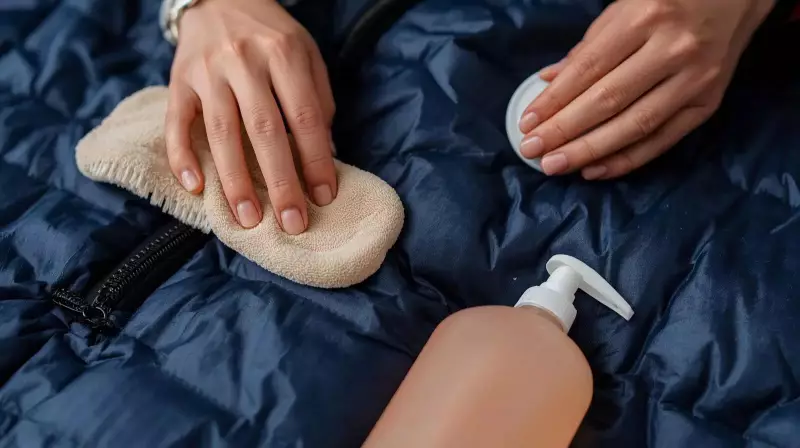
Before committing to a full wash, remember that less is often more. Most puffer jackets only require spot cleaning for fresh stains. Since the outer shell is designed to be protective, many marks sit on the surface without penetrating the delicate insulation inside. For this, a mild liquid detergent is your best friend. Apply a tiny drop directly onto the stain, gently work it in with your fingers, and let it sit for about fifteen minutes. Rinse thoroughly with cold water and allow the area to air dry completely. This simple step can solve many common issues without the risk of a full wash.
Hand Washing for Delicate Care
When a full clean is necessary, hand washing offers the gentlest touch, ideal for delicate fabrics or lightly soiled jackets. This method provides maximum control to prevent the internal down or synthetic fill from clumping. Fill a large basin or clean sink with cold water and add a small amount of gentle detergent. Submerge the jacket and gently agitate it, letting it soak for 15 to 30 minutes. The key is to avoid harsh scrubbing or twisting. After soaking, lift the jacket out, press gently to remove excess water—never wring it—and hang it in a well-ventilated area to dry slowly.

Machine Washing: A Modern Option
Most contemporary puffer jackets can survive a machine wash, but preparation is critical to avoid disaster. Always start by fastening all zippers and closing pockets to prevent snags. Use a front-loading washing machine if possible, set to a cold, delicate cycle with a gentle, non-bleach detergent. Crucially, avoid fabric softener as it can coat the fibres and compromise the jacket's insulating ability. Wash the puffer alone or with very similar items; a crowded drum doesn't allow the padding the space it needs to move and clean properly, increasing the risk of damage.
The Crucial Drying Process
This is where most puffer jackets meet their fate. Improper drying leads to clumped, uneven filling. If your care label permits tumble drying, use the lowest heat setting and add two or three clean tennis balls or dryer balls. These help to batter the clumps apart and restore the jacket's loft. Be prepared for multiple cycles, checking and shaking the jacket gently between each. For air drying, patience is paramount. Hang the jacket and shake it periodically to help the filling distribute evenly as it dries. Never store a puffer jacket until it is 100% dry, as even slight dampness can cause mildew and permanent flat spots.
Ultimately, the frequency of washing should be minimal. Spot clean regularly, air out your jacket after wear, and only commit to a full wash when odour or grime becomes noticeable. By treating your puffer with a bit of space and patience rather than force, you can ensure it remains a reliable source of warmth for many Indian winters to come.