

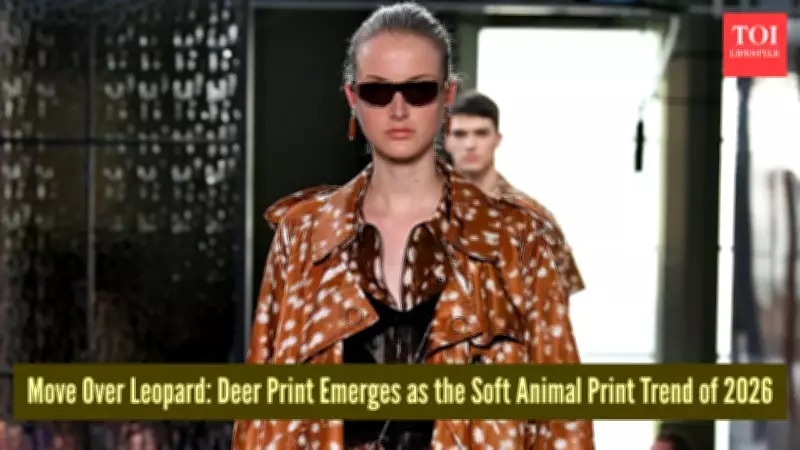
The Fashion Shift: From Jungle Roar to Woodland Whisper
If you opened your wardrobe in late 2025, it likely resembled a scene from The Sopranos, dominated by the "Mob Wife" aesthetic that gripped fashion enthusiasts worldwide. This trend featured loud, aggressive leopard spots and chaotic cheetah patterns that were both fun and exhausting. Fast forward to January 2026, and the jungle hierarchy has undergone a dramatic transformation. The roar of predators has been replaced by a subtle whisper, marking the official declaration of Deer Print (or "Fawn Print" for those seeking elegance) as the defining viral trend of the new year.
This emerging pattern represents everything leopard print was not: soft, delicate, and undeniably luxurious. It signals a broader movement towards refined and understated fashion, moving away from the high-contrast attention-seeking of previous seasons.
The Evolution of "Quiet" Wildlife in Fashion
Where big cat prints once symbolized dominance and bold statements, deer print embodies restraint and sophistication. This trend aligns with the maturation of the "Coquette" and "Soft Girl" aesthetics, evolving into what can be described as the "Rich Mom" version of nature-inspired fashion. The color palette reflects this shift, transitioning from jarring black-and-gold leopard combinations to warm reddish-brown bases adorned with irregular cream dots.

Key characteristics of deer print include:
- Gentle and distinctive visual appeal
- Emphasis on texture and tactile materials
- Rejection of cheap, flat synthetics in favor of plush faux fur, brushed wool, or sleek pony hair
The Influencers Driving the Fawn Print Explosion
Fashion trends rarely emerge in isolation, and the rise of deer print can be traced to influential figures and brands that championed this softer aesthetic. The catalyst for this movement was Sofia Richie Grainge’s SRG Atelier, which introduced the "Blake" jacket—a collarless, fawn-spotted faux fur piece that bridged niche internet aesthetics with wearable luxury. This item signaled that deer print was not merely a costume but a chic fashion statement.
Runway validation further solidified the trend's credibility. Notable examples include:
- Tory Burch’s Fall/Winter '25 collection, featuring deer print on tailored, architectural coats that demonstrated its suitability for professional settings
- The influence of Sandy Liang x GAP’s fleece collaborations, which primed the cool-girl crowd for "woodland" energy
- Puma’s Speedcat "Doelette" sneakers, with fawn spots on pony hair, becoming highly sought-after items in sneaker culture
Expert Styling Guide: Mastering Deer Print Fashion
While deer print offers elegance, styling it requires careful consideration to avoid appearing costume-like. Here are essential dos and don'ts for incorporating this trend into your wardrobe.
Do:
- Embrace the Dark Side: Pair fawn print with deep chocolate leather pants or boots to create an organic, expensive "woodland" leather look
- Cut the Sweetness: Balance the visual warmth of deer spots with cool neutrals like slate grey, sturdy denim, or crisp white
- Texture is Key: Start with tactile items such as a pony-hair bag or structured wool jacket for a safe yet stylish entry point
Don't:

- The Pastel Trap: Avoid combining deer print with baby pinks or powder blues to prevent a childish appearance
- The Jungle Mashup: Refrain from mixing deer print with leopard, zebra, or snake patterns, as the "animal house" clash is outdated
- Spandex is a Sin: Unlike leopard print, which could work on leggings, deer print looks cheap on flat fabrics and should be avoided
Leopard print remains a historical neutral, but in 2026, it feels dated compared to the sophistication of deer print. This trend represents the "quiet luxury" answer to animal-inspired fashion, proving that style doesn't require loud statements to make an impact. As fashion continues to evolve, deer print stands out as a symbol of refined elegance and tactile luxury, offering a fresh perspective on nature-inspired design.





