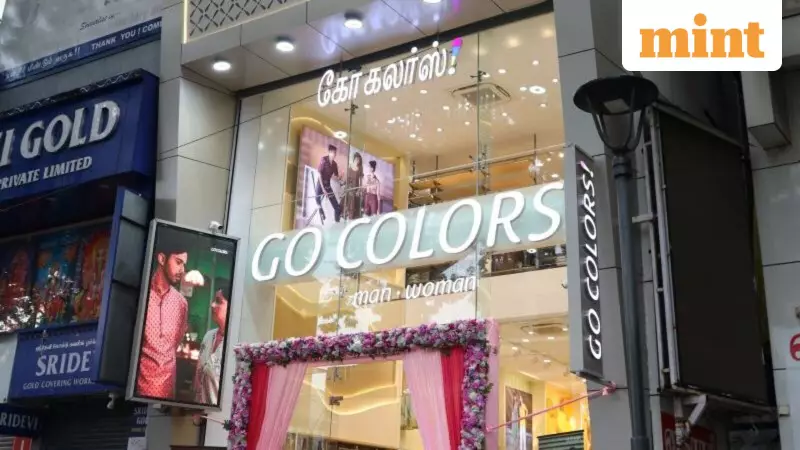
Chennai-based Go Colors, India's sole publicly-traded company focused exclusively on women's bottom-wear, is confronting a significant business challenge. Its foundational product, leggings, which once dominated its sales, is rapidly losing favour among Indian consumers. This shift in fashion trends has led to a stark decline in the company's financial performance and stock value.
The Rise and Fall of a Leggings Empire
For over a decade, Go Colors built a formidable brand by positioning leggings as a modern substitute for the traditional churidar and a comfortable alternative to western jeans. This strategy propelled the company to a successful initial public offering (IPO) in November 2021, where it listed at a 90% premium after its issue was oversubscribed more than 135 times. However, the brand's singular focus has become its Achilles' heel.
CEO Gautam Saraogi revealed in a September FY26 earnings call that leggings and churidars, which constituted 50-55% of business before the Covid-19 pandemic, have now settled at around 35% of total sales. The parent company, Go Fashion, has seen its shares plummet nearly 60% from its IPO, trading around ₹507 as of early December 2025.

Market Shifts and Stagnant Growth
The decline is part of a broader global and local movement away from skinny silhouettes. In India, the post-pandemic fitness wave accelerated a shift towards athleisure, performance fabrics, and looser fits like flared leggings and wide-legged trousers. Brands such as BlissClub and Cava Athleisure quickly captured this new demand, while Go Colors was slower to adapt.
The financial impact is severe. For the first half of FY26, Go Colors reported a meagre 4% year-on-year revenue growth to ₹447 crore, while profit after tax fell by 11%. A critical metric, Same Store Sales Growth (SSSG), has remained flat for ten consecutive quarters and declined by 2.4% in H1 FY26. The company has also reduced its annual store addition target for the third straight quarter, from 120 to 80-90 outlets.
New Competitors and Changing Perceptions
The competitive landscape has transformed. Digital-first brands are redefining the category. Shreya Mittal, founder of Cava, notes that leggings are no longer seen as mere home-wear but as elevated fashion suitable for various occasions, thanks to new fabric blends like nylon-spandex. "You can wear them even to a bar or for dinner. They don’t feel like lounge-wear anymore," she stated.
Fashion designer Nitasha Agarwal believes the shift is permanent: "People have become too comfortable with baggy silhouettes. Skinny fits just don’t appeal anymore." She added that while Go Colors has expanded its range, its brand perception remains tied to an older audience, unlike the aspirational image of newer rivals.
A Pivot for Survival
In response, Go Colors is attempting a strategic pivot. In a departure from its earlier promise to investors, the company began selling top wear and some menswear in 15-20 stores in August 2025. This month, it launched a new range of trousers, palazzos, and wide-legged bottoms. However, competitors like Lyra (owned by Lux Industries) diversified into lingerie and other categories years ago.
Despite the challenges, some analysts see potential. Motilal Oswal initiated coverage with a 'buy' rating in June 2025, predicting over 30% upside, citing Go Colors' leadership in a growing market. The organised women's bottom-wear market in India is projected to reach ₹24,300 crore this year, with branded share expected to jump from 33% to 47%. Go Colors currently holds about an 8% share of this organised segment.
CEO Gautam Saraogi remains cautiously optimistic, calling this a "transition phase." The company's journey underscores a classic retail peril: the danger of building an empire on a single trend, no matter how enduring it once seemed. Its ability to successfully reinvent itself while navigating a sluggish consumer economy will determine its future.