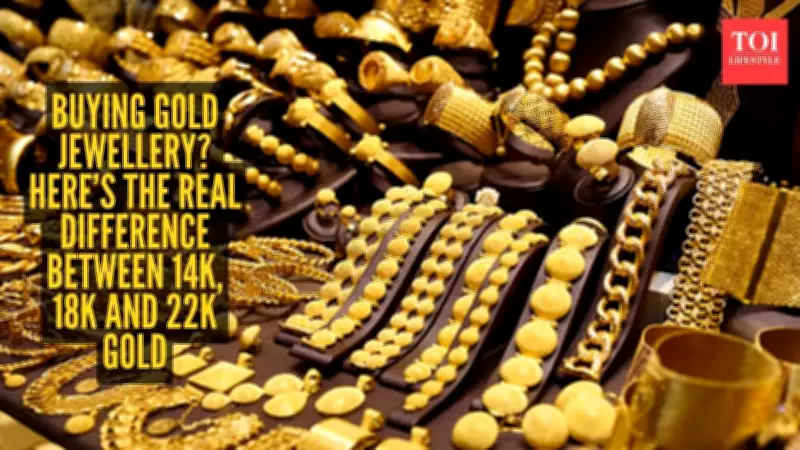
From Locker to Wardrobe: The Evolution of Gold Jewellery Trends
Gone are the days when gold purchases were limited to heavy, ornate sets destined to gather dust in bank lockers. The modern aesthetic has undergone a dramatic transformation, embracing the concept of "quiet luxury." Today, fashion enthusiasts are layering delicate chains, stacking minimalist office rings, and investing in everyday jewellery pieces that never need to be removed. This shift reflects a move towards practicality and style, blending tradition with contemporary tastes.
The Karat Conundrum: Deciphering Jewellery Store Jargon
Stepping into a jewellery store to achieve this trend can feel like facing a complex math test. Jewellers often bombard customers with terms like 14k, 18k, 22k, and even obscure mentions like 2k. If you have ever stood at the counter, puzzled about what a "karat" truly means for both your budget and your fashion choices, you are certainly not alone. Let us break down this terminology to empower your shopping decisions.
The karat (k) system is a straightforward measure of gold purity, based on a total of 24 parts. However, there is a crucial caveat: 100% pure gold is exceptionally soft and prone to scratches. To enhance its durability for everyday activities such as commuting, dishwashing, or gym workouts, jewellers blend it with stronger alloy metals like copper, silver, or zinc. This mixture ensures the jewellery can withstand daily wear while maintaining its appeal.

22k & 24k Gold: The Traditional Powerhouses
Before delving into everyday wear options, it is essential to address the desi standards. 24k gold represents 99.9% purity, but its extreme softness limits it to investment coins and heavy bullion bars, making it unsuitable for regular jewellery. 22k gold, with 91.6% purity, is the hallmark of traditional Indian bridal jewellery and cherished family heirlooms. It offers a rich, striking appearance, yet its lower durability means it is not designed for daily wear-and-tear, reserving it for special occasions like weddings.
18k Gold: The Luxurious and Practical Choice
When envisioning classic, warm yellow gold that exudes elegance while being wearable, 18k gold comes to mind. It strikes a perfect balance between luxury and practicality.
- The Composition: It consists of 75% pure gold and 25% alloy metals.
- The Appeal: Due to its high gold content, it boasts a gorgeous hue, high resistance to tarnishing, and is generally hypoallergenic. For individuals with sensitive skin that reacts to cheaper metals, 18k gold is a safe and reliable option.
- The Consideration: It is softer than lower karats, requiring careful handling. Reserve your 18k pieces for special occasions or the VIP section of your wardrobe to maintain their pristine condition.
14k Gold: The Durable Everyday Essential
For those who prefer to sleep, shower, and exercise while wearing their favourite delicate chains, 14k gold is the ideal choice. It delivers the stacked minimalist aesthetic with exceptional durability, surviving busy routines without warping or denting.
- The Composition: It contains 58.3% pure gold and 41.7% alloy metals.
- The Benefits: While it trades a slight vibrancy in yellow hue for enhanced strength, the higher alloy content makes it incredibly robust and highly resistant to scratches. Additionally, it is more budget-friendly compared to 18k gold, offering excellent value.
- The Trade-off: The colour is slightly paler, but for everyday wearable jewellery and trend-conscious pieces that are easy on the wallet, it represents an unbeatable compromise.
2k Gold: The Enigmatic and Often Misunderstood Option
Have you encountered "2k gold" online and wondered if it is a hidden bargain? The reality is far from it.

- The Truth: 2k gold is virtually nonexistent in mainstream jewellery markets. It comprises only 8.3% pure gold, with the remaining 91.7% made up of base metals.
- The Issues: It lacks the beautiful warmth of gold, tarnishes rapidly, and is highly likely to leave a green ring on your skin due to its low purity.
- The Clarification: In most cases, "2k" is simply a typographical error by sellers who intended to list 22k or 24k gold, so approach such listings with caution.
Making the Right Choice: Aligning Karats with Your Lifestyle
The next time you shop for sparkling jewellery, ignore aggressive sales pitches and focus on your lifestyle needs. Opt for 14k gold if you desire trendy pieces that can be worn continuously without removal. Choose 18k gold for special investments that balance elegance with wearability. Reserve 22k gold for traditional occasions like wedding seasons, where its cultural significance shines. By understanding these karat distinctions, you can make informed decisions that enhance both your wardrobe and financial savvy.