From Blood Diamonds to Lab-Grown Gold: Is the Jewellery Industry Finally Evolving?
The global jewellery industry, valued at hundreds of billions of dollars, has long symbolized prestige and luxury. However, beneath its glittering surface, consumers are increasingly questioning the environmental and ethical costs of traditional mining. With technological innovations driving change, the sector is now pivoting toward ethical sourcing, lab-grown gemstones, and sustainable materials. This shift reflects a growing consumer demand for transparency and responsibility in luxury goods.
Reservations Around Blood Diamonds: Understanding the Conflict
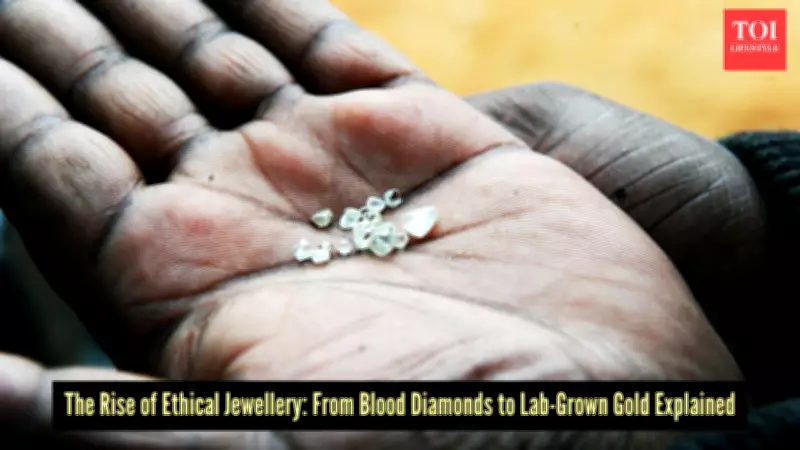
Blood diamonds, also known as conflict diamonds, are rare gemstones mined in war zones and sold to finance armed conflicts. They gained global notoriety during the civil wars in Angola, Liberia, and Sierra Leone in the 1990s. Armed groups have historically used profits from diamond mining to purchase weapons, perpetuating violence and highlighting the darker aspects of the supply chain. This has led to widespread scrutiny and calls for reform within the industry.
The Kimberley Process: A Step Toward Accountability
In response to these concerns, the Kimberley Process certification scheme was launched in 2003. This international initiative tracks diamonds from mine to market through certifications, aiming to prevent trade in rough diamonds linked to armed conflicts. It fosters cooperation among governments, industry groups, and civil society, with over 80 countries participating, covering the majority of the global diamond trade. While it has made strides, critics argue it needs further strengthening to ensure complete ethical compliance.

Rise of Lab-Grown Diamonds: A Market Disruption
One of the most significant disruptions in the jewellery business has been the rise of lab-grown diamonds. These are real diamonds created in controlled environments using methods like high-pressure, high-temperature or chemical vapour deposition. Chemically and physically identical to natural diamonds, they eliminate the need for mining, thereby reducing environmental impact and offering greater transparency in sourcing. Additionally, they are often more affordable, making luxury accessible to a broader audience.
Enter: The Lab-Grown Gold Revolution
While lab-grown diamonds have already transformed the market, lab-grown gold is emerging as the next frontier. Produced in laboratories using purified recycled materials, it is chemically identical to mined gold. This innovation aims to mitigate the environmental harm associated with traditional gold mining, which is resource-intensive, involves toxic chemicals, heavy water use, and high carbon emissions. Lab-grown gold addresses these issues, offering a sustainable alternative with minimal ecological damage, positioning itself as the future of ethical jewellery.
In summary, the jewellery industry is undergoing a profound evolution, driven by consumer awareness and technological advancements. From addressing the legacy of blood diamonds through initiatives like the Kimberley Process to embracing lab-grown diamonds and gold, the sector is moving toward a more ethical and sustainable future. This transformation not only enhances transparency but also redefines luxury in an environmentally conscious world.