

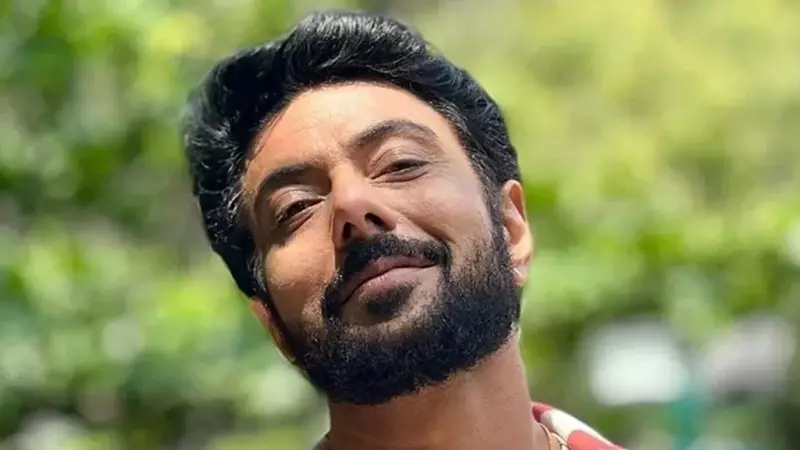
Chef Ranveer Brar's Prized Samurai-Sword Knife: A Piece of History
In a world where possessions often define status, celebrity chef and MasterChef India judge Ranveer Brar has revealed what truly matters to him: a chef's knife worth Rs 1,75,000, crafted from an 18th-century Samurai sword. During a 2023 appearance on Kapil Sharma's show, Brar shared his deep connection to this unique tool, stating, "Main bawarchi hoon (I am a chef). This is all I know." His passion highlights how professionals often find meaning not in material wealth but in the tools that embody their craft.
The Significance of the Knife
When asked by Archana Puran Singh about the knife's importance, Brar explained that it is made from a historical Samurai sword, complete with a certificate and family details. "When you hold it, you are holding a piece of history. So, it is a part of your body (existence)," he said. This statement reflects a profound integration between the chef and his instrument, where the knife transcends its functional role to become an extension of his identity.
Psychological Insights into Passionate Attachment
Psychotherapist and life coach Delnna Rrajesh offers insights into why tools like Brar's knife hold such symbolic weight. For individuals deeply connected to their craft, work becomes an internal orientation rather than an external role. Tools of the trade take on symbolic significance, becoming extensions of the self through embodiment, not ego. In a constantly changing world, such items provide stability, carrying history, memory, and a sense of belonging.

Delnna notes that objects like a chef's knife, musician's instrument, or writer's notebook are not just functional; they remind individuals of their purpose and align the nervous system with identity. When Brar describes the knife as part of his body, it signifies a deep integration where "who I am" merges with "what I do." This connection reduces existential anxiety by linking the present self to a larger human narrative, offering permanence in an era of replaceability.
Passion vs. Materialism
Delnna emphasizes a crucial distinction: passionate attachment differs from materialism. While materialism seeks status and validation from others, passionate attachment seeks internal coherence and alignment. The most psychologically integrated individuals honor their passion without being consumed by it, allowing their craft to define but not confine them. In a culture obsessed with accumulation and performance, Brar's attachment to his knife offers a quieter lesson: meaning does not need to be loud, and identity requires no explanation.
Ultimately, Ranveer Brar's prized possession is more than a luxury item; it is a testament to how history, craftsmanship, and personal passion can converge to create a sense of purpose. As he holds that knife, he connects not just to his culinary skills but to a legacy that spans centuries, reminding us all of the enduring power of authentic dedication.






