

Fashion, Politics, and Hollywood Collide in Explosive Vogue Conversation
When Meryl Streep, Anna Wintour, and Greta Gerwig gathered for a recent Vogue interview, the stage was set for a compelling discussion. What began as promotion for The Devil Wears Prada 2 quickly transformed into a profound examination of political fashion and gender dynamics in the public sphere.
The Infamous Jacket That Still Divides Public Opinion
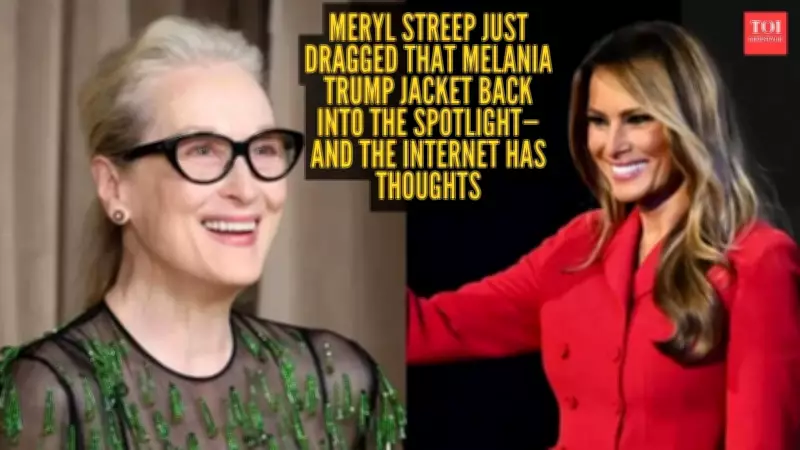
During the conversation, Streep brought renewed attention to one of the most controversial fashion moments of recent political history. In 2018, former First Lady Melania Trump visited a Texas shelter for migrant children wearing a jacket emblazoned with the words "I Really Don't Care, Do U?" on the back.
The immediate backlash was severe, with critics calling the message insensitive and inappropriate given the humanitarian context of her visit. Streep described the jacket as "one of the most powerful visual statements" made by Melania Trump during her time as First Lady, though she emphasized this wasn't necessarily a positive assessment.

For Streep, the jarring contrast between the serious humanitarian situation and the jacket's seemingly dismissive message created an unforgettable visual disconnect. This tension, she suggested, is precisely what made the moment so impactful and memorable years later.
When Fashion Becomes Political Communication
The conversation evolved beyond the specific jacket to explore how clothing functions as communication for women in powerful positions. Wintour noted Melania Trump's consistent personal style, but Streep pushed the analysis further.
"When you're in politics, nothing you wear is random," Streep observed. "Every outfit is thought through. Every detail matters."
She explained how fashion for women in the public eye transcends mere aesthetics:
- Clothing signals power and authority
- Outfits communicate political stance and identity
- Fashion choices become part of public persona construction
- Visual presentation carries weight equal to verbal statements
This perspective transforms fashion from a matter of trends to a sophisticated form of non-verbal communication with real political consequences.
The Unspoken Double Standard for Women in Power
Perhaps the most insightful portion of the interview came when Streep examined the broader gender dynamics at play. She highlighted the profound double standard in how society judges the appearance of male versus female leaders.
"Male leaders can show up in the same suits every day and no one blinks," Streep noted. "But women? Every sleeve, every neckline, every choice gets analyzed."
She described the immense pressure on women in power to simultaneously appear:
- Polished and professional
- Approachable and relatable
- Non-threatening yet authoritative
- Fashionable but not frivolous
This creates what Streep called a "quiet expectation for women to 'soften' themselves" even when occupying positions of significant authority and responsibility.
Melania Trump's Defense and Lasting Controversy
The jacket controversy didn't exist in isolation, and Melania Trump eventually addressed the criticism in an ABC News interview. She offered a completely different interpretation of her fashion choice.
According to the former First Lady, the message wasn't directed at the migrant children or the humanitarian situation. Instead, she claimed it was aimed at her critics and the media—a statement that their constant scrutiny didn't bother her and wouldn't prevent her from doing her work.
This explanation did little to quiet the controversy at the time, and as Streep's comments demonstrate, the moment continues to resonate years later. The jacket has become a cultural touchstone representing the complex intersection of fashion, politics, and public perception.
Why This Moment Is Trending Again Now
The timing of this renewed discussion is significant for several reasons:

First, the Vogue interview was originally intended to promote The Devil Wears Prada 2, ensuring substantial media attention. Second, Streep's return to her sharp, commanding interview style—reminiscent of her iconic Miranda Priestly character—added dramatic weight to the conversation.
Most importantly, the jacket reference transformed a routine promotional interview into a substantive discussion about:
- The political power of visual communication
- Gender disparities in public scrutiny
- The lasting impact of controversial fashion statements
- How clothing choices become cultural symbols
At its core, this isn't merely about one jacket or one political moment. It's about how society interprets and assigns meaning to what influential figures wear. Streep's comments serve as a powerful reminder that in the public eye, fashion is never just fashion—it's always a statement being watched, analyzed, and interpreted by millions.
