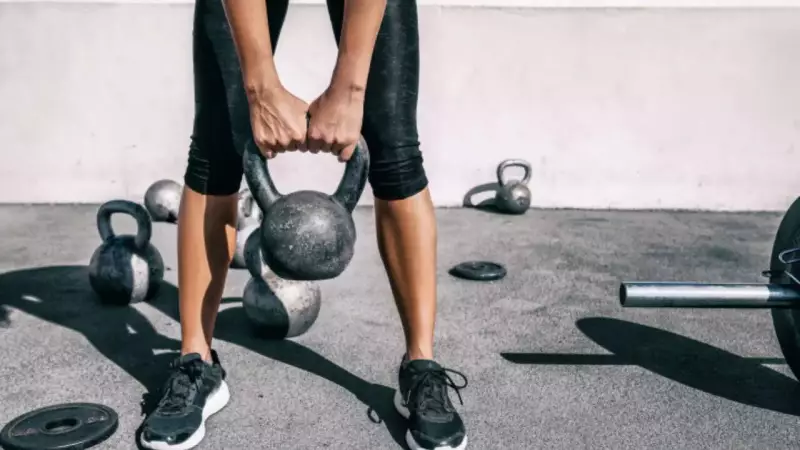
For generations, a specific image of the 'feminine' ideal has been promoted – a body that is slim, toned, but never bulky. This pervasive notion has led countless women to deliberately avoid the weight-lifting section of the gym, fueled by a common fear: 'If I lift weights, I'll look too muscular.' But what if this widespread belief is fundamentally flawed? Emerging expert advice and scientific research are now challenging this myth, presenting a compelling case for why strength training is, in fact, a powerful tool for women seeking strength, health, and confidence.
The Science Behind the Myth: Hormones and Training Reality
The core of the misconception lies in a misunderstanding of female physiology. Research consistently shows that hormonal differences are the primary driver of significant muscle bulk. The key hormone for muscle hypertrophy (growth in size) is testosterone. On average, women have testosterone levels that are 10 to 20 times lower than men. This biological fact means that women's bodies are not primed to develop large, bulky muscles from standard resistance training. Instead, the typical response is the development of lean, defined muscle tissue – the very 'toned' appearance many desire.
Furthermore, achieving a noticeably bulky physique is rarely an accidental outcome. It is the result of a highly specific and intentional regimen. This includes dedicated heavy lifting programs, a significant calorie surplus diet, and often, specific supplementation. For the vast majority of women engaging in a balanced strength training routine with moderate weights, the outcome is not a bodybuilder's bulk. The realistic results are improved muscle tone, increased strength, and a leaner body composition.

The Transformative Benefits: Beyond a Toned Physique
Debunking the myth opens the door to appreciating the profound advantages of strength training for women. The benefits extend far beyond aesthetics, impacting long-term health and daily living.
Firstly, it builds metabolically active lean muscle. When you engage in resistance training, your body repairs and strengthens muscle fibers. This new lean muscle mass boosts your resting metabolism, meaning you burn more calories even when you're not exercising. This process aids in fat loss and creates a more sculpted physique, often more effectively than cardio alone.
Secondly, it is crucial for bone health and functional fitness. Weight-bearing exercise is one of the best defenses against osteoporosis, a significant concern for women, especially with age. Strength training stimulates bone growth, increasing density and reducing fracture risk. It also fortifies joints, improves posture and balance, and builds the practical strength needed for everyday tasks, from carrying groceries to climbing stairs with ease.
Empowerment and Long-Term Well-being
The impact of strength training transcends the physical. Many women report a powerful boost in self-confidence, mental resilience, and a stronger connection with their bodies. The process of setting and achieving strength goals fosters a sense of empowerment. Moreover, a healthy body composition, improved metabolism, and better management of body fat are all pillars of sustained wellness.
Importantly, strength training does not require abandoning other forms of exercise. It works in harmony with cardiovascular activities, yoga, or sports, creating a more holistic and balanced fitness routine. The key is understanding that picking up weights is not a path to an unwanted, bulky frame, but a journey toward becoming stronger, healthier, and more confident in one's own skin.