

10 Iconic Biryani Varieties in India You Probably Haven't Tried Yet
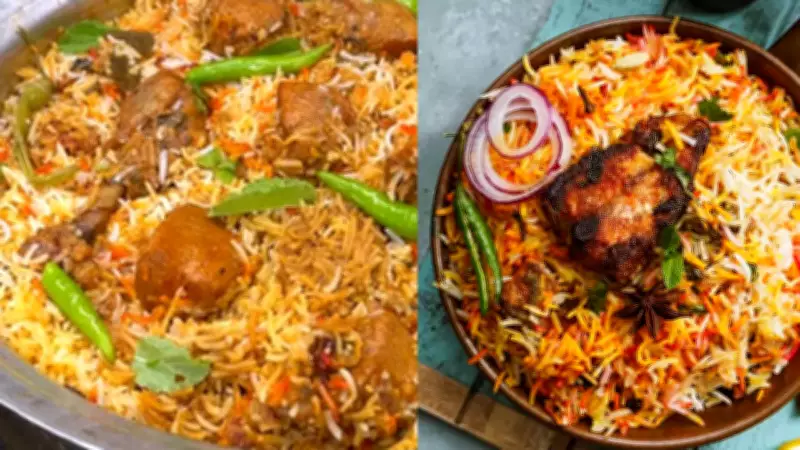
Biryani in India transcends mere rice and meat—it embodies memory, region, ritual, and a deeply local sense of comfort, all layered into a single pot. Each version speaks with its own distinct accent. Some are bold and spicy, others fragrant with ghee and saffron, while a few are so subtle they captivate you gradually, one spoonful at a time. The fascination of biryani lies in its familiar name paired with an experience that transforms entirely from one locale to another. If you have only sampled the most renowned styles, India still offers a long, aromatic journey ahead. Discover these iconic varieties that showcase the country's rich culinary diversity.
Thalassery Biryani
Hailing from Kerala's Malabar coast, Thalassery biryani presents a lighter, brighter, and more aromatic profile compared to its richer counterparts. Typically crafted with short-grain kaima rice, known for its delicate texture and excellent flavor absorption, this biryani features meat cooked separately and gently folded into the rice with fried onions, spices, mint, and curry leaves. Its defining trait is restraint—it does not overwhelm with heat initially but gradually builds a profound coastal fragrance that lingers long after the plate is cleared.
Dindigul Biryani
From Tamil Nadu, Dindigul biryani boasts a fierce reputation, earned through its bold character. This biryani exudes attitude with robust pepper, sharp spices, and a tangy edge that immediately awakens the palate. Made with seeraga samba rice, a tiny fragrant grain that imparts a signature feel, the dish combines meat and rice in a direct, unfussy manner. Dindigul biryani tastes like a creation that confidently embraces its identity without any need for softening.

Ambur Biryani
Also originating from Tamil Nadu, Ambur biryani exemplifies how simplicity can yield memorable results. Traditionally prepared with seeraga samba rice, it features a more restrained spice profile than other southern biryanis. The meat, often mutton or chicken, is cooked with modest yet effective seasoning, resulting in a beautifully balanced flavor that feels rounded rather than aggressive. Ambur biryani does not perform theatrically; it simply lands with elegance and confidence.
Kolkata Biryani
Kolkata biryani carries a story in every serving, blending Mughal roots with Bengali evolution. Known for its lighter spice, fragrant rice, potatoes, and often a boiled egg, the potato has become an integral part of its identity, not merely an afterthought. This biryani feels gentler than many others, with a sweet aroma and a soft finish, proving that intensity is not always necessary for an unforgettable experience.
Lucknowi Biryani
Lucknowi or Awadhi biryani is the poet of the bunch, often prepared using the dum method where meat and rice cook slowly together, allowing aromas to intensify without losing grace. The spices are present yet polished, woven seamlessly into the dish rather than dominating it. This biryani epitomizes refinement—delicate, layered, and quietly luxurious, with every bite feeling meticulously composed as if balance were the foremost consideration.
Hyderabadi Kacchi Biryani
Hyderabadi kacchi biryani caters to those who crave drama in their food. In this style, raw marinated meat and rice are cooked together, enabling flavors to mingle intensely. Saffron, fried onions, yogurt, and spices create a rich, almost theatrical dish that is bold, heady, and deeply satisfying when executed well. This biryani is spoken of with reverence, capable of feeling both celebratory and profoundly personal simultaneously.
Bombay Biryani
Bombay biryani possesses its own unmistakable rhythm, often slightly sweeter than expected with potatoes, fried onions, mint, and a lively spice profile that keeps things engaging. It exudes a comfort-food quality paired with a streetwise energy reflective of the city itself. Generous and crowded with flavor, it never shies away from contrast. If some biryanis are formal, Bombay biryani arrives fashionably late, slightly flashy, and entirely welcome.

Memoni Biryani
Associated with the Memons of western India, Memoni biryani stands as one of the richest and most robust styles in the country. It tends to be aggressively spiced, with prominent use of fried onions, yogurt, and meat designed to carry strong flavor throughout. While intense compared to milder biryanis, this intensity is central to its charm. Memoni biryani does not aim for subtlety; it strives for impact and delivers unequivocally.
Sindhi Biryani
Sindhi biryani is lively, tangy, and full of movement, often featuring tomatoes, yogurt, green chilies, and fragrant spices that impart a sharper profile than many rice dishes. It can be fiery yet layered, with a brightness that balances the richness. The result is a biryani that feels energetic rather than heavy, with flavors so vivid they linger in memory, explaining its devoted following.
Kalyani Biryani
Kalyani biryani, often regarded as the humble cousin of Hyderabadi biryani, possesses a unique charm. Typically made with buffalo meat, it carries a darker, deeper spice profile that is earthier, rustic, and straightforwardly satisfying. It does not attempt to emulate the grand biryanis of royal kitchens; instead, it stands proudly on its own, with a personality that feels rooted and distinctly local.





