

10 Common Plants That Grow Without Seeds: Nature's Asexual Propagation
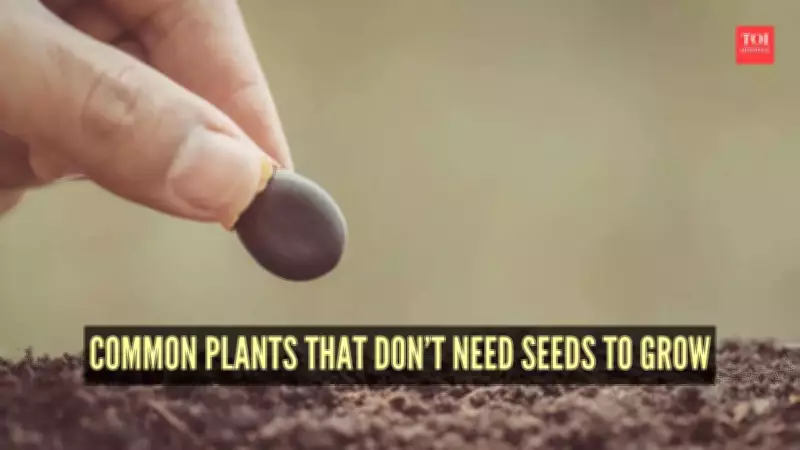
While seed propagation remains the most widely recognized method of plant reproduction, numerous plant species have evolved remarkable seed-free techniques to multiply and thrive. This process, known as vegetative or asexual propagation, involves plants developing from stems, roots, bulbs, runners, or spores. It represents an incredibly efficient form of plant development, enabling rapid reproduction while preserving the exact genetic qualities of the parent plant. This article explores ten common plants that exemplify this fascinating biological phenomenon.
Potato: The Tuber Specialist
Potatoes reproduce through underground tubers rather than conventional seeds. The small "eyes" visible on a potato are actually buds that sprout into shoots when planted in soil, forming entirely new plants. This straightforward propagation method allows farmers and home gardeners to multiply crops quickly without relying on the uncertainties of seed germination.
Ginger: The Rhizome Master
Ginger spreads using rhizomes, which are horizontal underground stems that produce roots and shoots from their nodes. Even a small piece of rhizome planted in soil can grow into a full plant, demonstrating how modified stems facilitate efficient seed-free reproduction in many herbaceous species.

Onion: The Bulb Proliferator
Onions grow from bulbs, which are layered underground storage structures. When a bulb or a portion of it is planted, it sends up new shoots and roots, forming another onion plant. This reliable method explains why onions are commonly propagated without seeds in agricultural cultivation.
Garlic: The Clove Multiplier
Each garlic clove functions like a miniature bulb capable of producing a complete new plant. Planting individual cloves in soil leads to root and shoot development, making garlic one of the easiest crops to reproduce vegetatively at home or on farms.
Mint: The Rapid Runner
Mint spreads rapidly through underground stems or runners that generate new shoots at intervals. Cuttings placed in soil or water readily form roots and grow into independent plants, which is why mint often expands quickly and sometimes invasively in gardens.
Banana: The Sucker Producer
Most cultivated bananas are propagated from suckers, which are shoots emerging from the plant’s base or underground stem, rather than seeds. These offshoots grow into mature banana plants genetically identical to the parent, ensuring consistent fruit quality in commercial farming operations.
Sugarcane: The Stem Cutting Expert
Sugarcane is commonly grown from stem cuttings known as setts. Each cutting develops roots and new shoots, producing a full plant without seed use. This vegetative technique enables rapid large-scale cultivation in tropical and subtropical regions worldwide.
Strawberry: The Ground Creeping Propagator
Strawberries reproduce through runners, which are stems that creep along the ground and form new plants at their nodes. These daughter plants can root independently, allowing strawberries to spread naturally and be easily propagated in agricultural settings.
Bryophyllum (Miracle Leaf): The Leaf-Based Reproducer
Bryophyllum produces tiny plantlets along the edges of its leaves. When these plantlets detach and fall onto soil, they root and grow into new plants. This unusual leaf-based reproduction makes it a striking example of seed-free propagation in the plant kingdom.
Fern: The Spore Specialist
Ferns belong to a plant family that reproduces via spores rather than seeds or flowers. Spores are microscopic and can grow into a new plant if conditions are favorable. This represents a very ancient method of reproduction, predating even seed-producing plants in evolutionary history.

The Significance of Seedless Plant Growth
Seedless growth in plants highlights the remarkable diversity of plant reproduction strategies. Many common plants can grow without seeds using various structures including tubers, bulbs, rhizomes, runners, cuttings, suckers, plantlets, and spores. This capability not only helps plants propagate successfully in wild environments but also provides valuable techniques for agriculture and horticulture, enabling efficient cultivation and preservation of desirable plant traits across generations.
