5 Japanese Food Rituals That Could Fix Your Eating Habits Instantly
Dining in Japan transcends mere sustenance, evolving into a profound practice that integrates presence, gratitude, and historical traditions rooted in Shinto and Buddhist philosophies. The preparation and consumption of food become spiritual journeys, nourishing both body and soul. These principles emphasize disciplined preparation and deep appreciation, fostering a connection to food from purchase to plate. By adopting these five fundamental rituals, you can break free from mindless eating and rediscover dining as a meaningful, spiritual experience.
Itadakimasu: The Ritual of Humble Acceptance
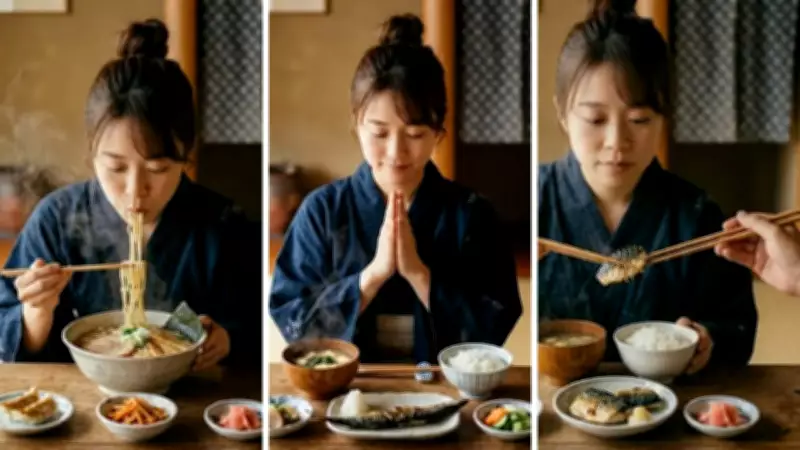
Before taking the first bite, Japanese diners clasp their hands and recite Itadakimasu, which translates directly to I humbly accept. Unlike casual phrases like bon appétit, this practice is deeply embedded in Shintoism and Buddhism, expressing gratitude to the plant and animal life sacrificed, as well as to the farmers and chefs who prepared the meal. Itadakimasu offers a moment to shed the blindfold of mindless consumption, cultivating appreciation for the life-energy present on your plate and transforming eating into a conscious act of respect.
Hara Hachi Bu: The 80% Full Principle
Originating from Confucian teachings and embraced by Okinawans in the Blue Zone, Hara Hachi Bu involves eating only until you feel 80% full. Since the brain takes approximately 20 minutes to register satiety signals from the stomach, stopping before reaching fullness prevents overeating and post-meal fatigue. Practicing Hara Hachi Bu shifts your relationship with food from one of indulgence to one of sustenance, significantly enhancing digestion, supporting weight management, and promoting long-term metabolic health through mindful portion control.

Slurping: An Audible Expression of Enjoyment
While many cultures deem noise at the dinner table impolite, in Japan, slurping noodles—such as soba, udon, or ramen—is not only acceptable but encouraged. Slurping mixes air into the noodles, cooling them and intensifying their aroma and flavor. This audible practice also serves as non-verbal feedback to the chef, signaling deep enjoyment of the meal. By engaging multiple senses, slurping allows for a relaxed, immersive dining experience that heightens pleasure and connection to the food.
Triangle Eating: Balancing Your Palate
Japanese meals are typically served in small bowls, following the ichigyu sansai style. The Triangle Eating ritual involves taking a bite of rice, followed by a sip of soup, then a bite of a side dish, repeating this sequence until all food is consumed. This method ensures you do not finish one component before the others, maintaining a balanced palate throughout the meal. Triangle Eating prevents palate fatigue and encourages a thoughtful, measured pace, transforming eating from a rushed activity into a deliberate, enjoyable process.
Hashi-watashi: Chopstick Etiquette as Respect
The use of chopsticks in Japan is governed by customs that demonstrate respect, known as Imigushi. For example, Hashiwatashi—passing food from one pair of chopsticks to another—or sticking chopsticks vertically into a bowl of rice are practices associated with funerals and are thus avoided. By adhering to these customs, you remain present and disciplined, treating chopsticks not merely as tools but as extensions of respect for the social and spiritual dimensions of the dining table. This mindfulness fosters a deeper connection to the meal and those sharing it.