

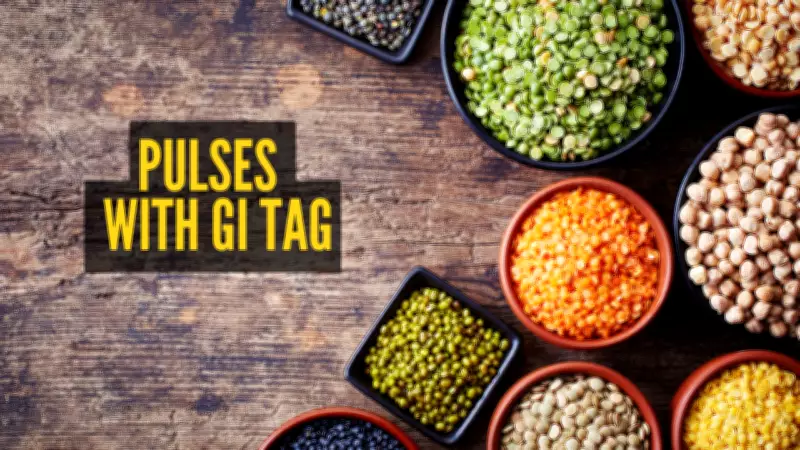
6 Indian Pulses Awarded GI Tags: A Culinary and Cultural Heritage
India, a land of diverse grains and legumes, boasts a rich agricultural heritage where each region cultivates unique varieties suited to local climates. Over time, some of these legumes have become iconic symbols of their regions, earning prestigious Geographical Indication (GI) tags. GI tags are official signs that recognize products originating from specific geographical areas, attributing their distinct qualities and characteristics to that origin. This article explores six such desi Indian pulses that have been honored with GI tags and delves into their traditional consumption methods.
Understanding GI Tags and Their Significance
Geographical Indications, commonly known as GI tags, are intellectual property rights that protect products whose unique qualities, reputation, or characteristics are inherently linked to their place of origin. In India, this system celebrates the country's agricultural diversity, ensuring that regional specialties are preserved and promoted. The pulses highlighted here not only represent culinary staples but also embody the cultural and environmental identity of their respective regions.
Pahari Toor Dal from Uttarakhand
Awarded the GI tag in November 2023, Pahari Toor Dal is renowned for its earthy flavor, high nutritional value, and extended shelf life. Grown in the Himalayan state of Uttarakhand, this dal is a powerhouse of protein, fiber, and iron. It is a staple in Pahadi cuisine, traditionally used in dishes like Chaunsa, a flavorful lentil preparation that showcases its robust taste and health benefits.

Attappady Thuvara from Kerala
This nutrient-rich red gram, or pigeon pea, hails from the Attappady tribal region in Palakkad district, Kerala. Awarded the GI tag in July 2022, it is distinguished by its large, cream-colored seeds. Rich in calcium, fiber, protein, and magnesium, Attappady Thuvara is a vital component of local diets, often incorporated into traditional Kerala recipes that highlight its nutritional prowess and unique texture.
Navapur Tur Dal from Maharashtra
Originating from Navapur taluka in Maharashtra's Nandurbar district, this white-seeded pigeon pea variety received its GI tag in March 2016. Known for its small size, it is often referred to as Diwal tur because it typically enters the market around the Diwali festival. Navapur Tur Dal is celebrated for its high protein and antioxidant content, making it a nutritious choice in Maharashtrian culinary traditions.
Gahat Dal from Uttarakhand
Another gem from Uttarakhand, Gahat Dal was awarded the GI tag in 2023 for its unique Himalayan terroir, distinct flavor, and traditional medicinal uses. Rich in iron and protein, it is often called "poor man's meat" due to its superfood status. In Kumaoni cuisine, it is traditionally used in dishes like Gahat ki Dal, Gahat ke Parathe, and Gahat Dal Soup, showcasing its versatility and health benefits.
Gulbarga Tur Dal from Karnataka
Cultivated in the Kalaburagi district, Gulbarga Tur Dal earned its GI tag in 2019 due to its soil-dependent characteristics that impart a nutty, earthy, and slightly sweet flavor. Also known as patka dal, it boasts high levels of calcium and potassium. This dal is a beloved ingredient in Karnataka's regional dishes, adding depth and nutrition to everyday meals.
Tandur Red Gram from Telangana
In 2022, Tandur Red Gram, a local variety of pigeon pea grown in the rainfed tracts of Tandur and nearby regions in Telangana, received the GI tag. This pulse is a protein powerhouse, offering an impressive 22-24% protein content—reportedly three times more than other varieties. Its high nutritional value makes it a staple in Telangana's cuisine, supporting local diets and agricultural practices.

Conclusion: Preserving India's Legume Legacy
These six GI-tagged pulses not only highlight India's agricultural diversity but also underscore the importance of preserving regional food heritage. From the Himalayas to the southern plains, each dal tells a story of local climate, soil, and tradition. By recognizing and promoting these legumes, GI tags help sustain their cultivation, support local economies, and ensure that future generations can enjoy their unique flavors and health benefits. Incorporating these pulses into your diet can offer a taste of India's rich culinary and cultural tapestry.
