

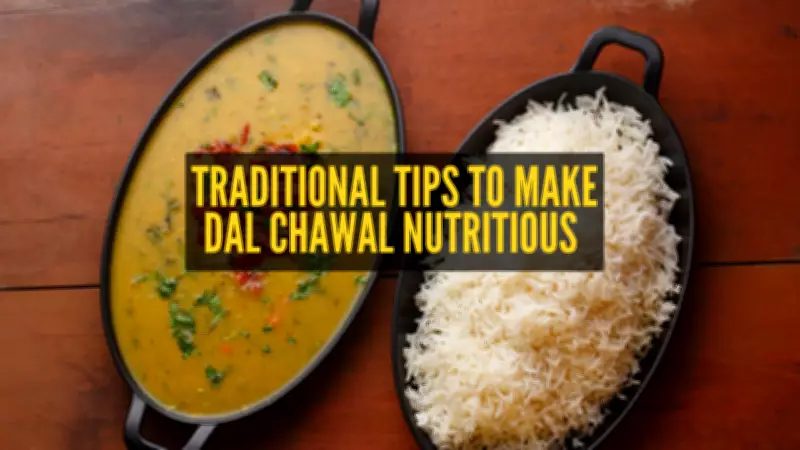
6 Traditional Tips to Make Your Dal Chawal More Nutritious and Balanced
Dal chawal, the quintessential Indian comfort food, evokes deep nostalgia with its simple blend of steamed rice and cooked lentils seasoned with turmeric and salt. This humble dish, often accompanied by achar or sabzi, transcends regional and generational boundaries, offering a soul-satisfying experience. However, nutrition experts emphasize that to elevate it from a nostalgic plate to a complete, nutrient-dense meal, incorporating additional elements is essential. Here are six traditional tips to enrich your dal chawal, making it both wholesome and satisfying.
1. Enhance with Traditional Tempering
After cooking the dal, adding a tadka (tempering) of ghee with ingredients like jeera, hing, garlic, mustard seeds, and green chilli is crucial. This not only amplifies flavor but also promotes gut health. Celebrity nutritionist Rujuta Diwekar highlights that ghee tempering boosts nutrient absorption and digestibility, making the dish more beneficial.
2. Incorporate Seeds and Greens
Historically, traditional thalis included soaked sprouts alongside dal chawal. Seasoned with lemon juice, salt, and pepper, these additions enhance taste while providing dietary fiber and protein, which aid digestion. They also increase intake of omega-3 fatty acids, calcium, and antioxidants, contributing to a balanced meal.

3. Pair with Fermented or Probiotic Foods
During summer, serving dal chawal with fermented or probiotic foods like curd, buttermilk, or homemade pickle can improve gut health and nutrient absorption. Curd, rich in probiotics, supports healthy gut bacteria, reducing issues like heartburn and bloating. Buttermilk cools the stomach and aids digestion, making the meal more gut-friendly.
4. Soak Lentils Before Cooking
Soaking dal for several hours prior to cooking enhances digestion and nutrient uptake. This process breaks down complex sugars that cause gas and bloating, reduces phytic acid (an anti-nutrient), and allows for faster, more even cooking. Rujuta Diwekar recommends soaking and sprouting to minimize anti-nutrients, thereby improving protein and micronutrient availability.
5. Serve with Protein-Rich Sides
While dal chawal with ghee is delightful, adding protein-rich sides like boiled eggs, paneer bhurji, curd, or roasted peanuts creates a more balanced meal. A mixed sprout salad offers crunch and nutrition, and sautéed soya chunks provide plant-based protein, making the dish filling and nutritious.
6. Add Vegetables to the Dal
Incorporating vegetables such as spinach, carrots, bottle gourd, or tomatoes into the dal boosts fiber, vitamins, and minerals. This combination transforms the dish into a wholesome offering, with dal providing protein and veggies supplying essential nutrients like vitamins A, C, K, iron, and potassium.
By following these traditional tips, you can easily upgrade your dal chawal into a nutritionally complete meal that honors its comforting roots while supporting overall health.

