

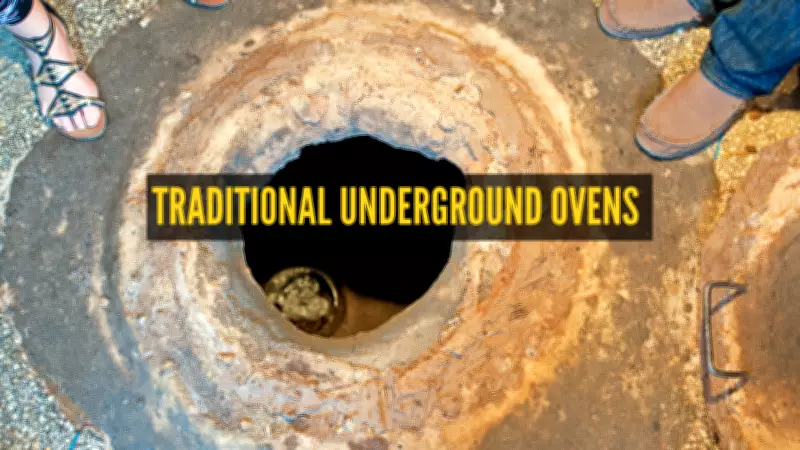
6 Traditional Underground Ovens From Around the World You Need to Know
In today's modern kitchens, gadgets and appliances have simplified cooking processes dramatically. However, long before these conveniences existed, cultures across the globe perfected the art of underground cooking. This ancient method involves digging a pit in open ground and utilizing elements like stones, leaves, and fire to cook vegetables and meats. These underground ovens are designed to slow-cook food for hours, locking in rich, smoky flavors that are difficult to replicate with contemporary techniques. Here are six traditional underground ovens from around the world that you absolutely need to know about.
Hāngi, New Zealand
The Hāngi is a traditional cooking oven of the Māori people in New Zealand. In this method, foods such as meat and potatoes are placed in a basket and buried over hot stones within an earth pit. The pit is then covered with soil to trap steam and heat for several hours. To prepare a Hāngi, a pit is dug and filled with stones that are heated over a large fire. Once the stones reach an extremely high temperature, food baskets are carefully placed using a hook. The food is covered with wet cloths, sacks, or leaves before being buried with soil to seal in the heat. The meal slowly cooks for three to four hours, making it ideal for community cooking events that bring people together to share food and stories.
Umu, Polynesia
The Umu is a traditional oven from Polynesia where foods are wrapped in leaves and placed over hot stones in a shallow pit. The pit is then covered, creating a natural steam oven. This centuries-old cooking technique relies on hot stones, earth, and natural steam to slowly cook food, preserving its natural flavors and nutrients.

Pachamanca, Peru
The word Pachamanca originates from the Quechua language, with pacha meaning earth and manca referring to pot, literally translating to earth pot. This is a centuries-old technique where meat, potatoes, corn, and herbs are cooked in an earth oven with heated stones. The ingredients are then covered with soil and leaves to seal in the heat. The process imparts a delightful rustic aftertaste to the dish, making it a beloved culinary tradition in Peru.
Lovo, Fiji
Lovo is Fiji's traditional underground oven, used to cook foods such as fish, chicken, root vegetables, and coconut-based dishes. The ingredients are wrapped in banana leaves and cooked in a pit lined with hot stones. This method is one of the most popular cooking techniques in Fiji and is commonly prepared during celebrations, weddings, festivals, and community gatherings, highlighting its social significance.
Barbacoa Pit, Mexico
The Barbacoa Pit is a traditional oven from Mexico that involves cooking meat in an underground pit lined with hot stones and agave leaves. The most common food cooked in this oven is lamb meat, which slow-cooks overnight. This lengthy cooking process results in tender, smoky flavors that are highly prized in Mexican cuisine.
Imu, Hawaii
The Imu is an underground oven used in Hawaii to prepare traditional feasts known as luaus. For this oven, a pit is dug and lined with heated volcanic stones. Food wrapped in banana leaves is placed inside, and the pit is covered with layers of leaves and soil to seal in the heat. The dish is slow-cooked for hours, acquiring a distinctive smoky aroma that is central to Hawaiian culinary traditions.

