

The Seven Food Revolutions That Reshaped Our World
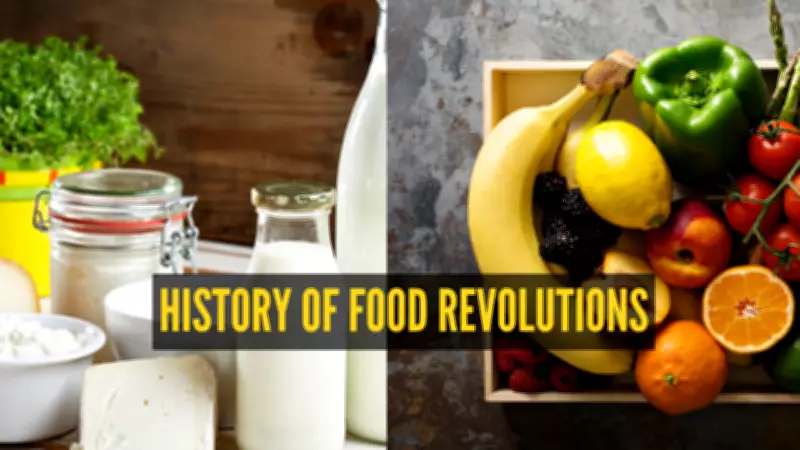
Throughout modern history, food has served as more than mere sustenance - it has been a powerful catalyst for societal transformation. Across India and the global stage, a series of groundbreaking agricultural movements, often identified by vibrant colors representing specific sectors, have fundamentally altered how we produce, distribute, and consume food. These revolutions share a common mission: enhancing production capabilities, empowering farmers, and establishing resilient food supply chains that can withstand growing demands.
The Green Revolution: Transforming Grain Production
Emerging in the 1960s as one of the twentieth century's most significant agricultural movements, the Green Revolution revolutionized food grain cultivation worldwide. This comprehensive initiative concentrated primarily on boosting wheat and rice yields through innovative irrigation techniques, advanced fertilizers, and modern farming equipment. The dramatic increase in agricultural productivity proved particularly vital for India, where it effectively addressed severe food shortages and established new benchmarks for crop yields.
The White Revolution: India's Dairy Transformation
Commonly known as Operation Flood, the White Revolution propelled India to become one of the planet's leading milk producers. This transformative movement empowered dairy farmers through improved milk collection networks, sophisticated processing facilities, efficient distribution systems, and equitable pricing structures that benefited producers directly.

The Blue Revolution: Advancing Fisheries & Aquaculture
Initially launched as the Neel Kranti Mission during India's Seventh Five-Year Plan (1985-1990), this fisheries-focused initiative was later rebranded in 2015-16 as "Blue Revolution: Integrated Development and Management of Fisheries." The program significantly expanded fish production while creating sustainable livelihood opportunities for millions of fishermen across coastal and inland communities.
The Yellow Revolution: Boosting Oilseed Independence
Commencing in 1986-87, the Yellow Revolution targeted increased oilseed production to reduce national dependence on imported edible oils. This strategic movement strengthened domestic oilseed farming and led directly to the establishment of the Oilseeds Technological Mission (OTM) in its inaugural year, creating a structured framework for oilseed development.
The Golden Revolution: Horticulture's Flourishing Era
Spanning from 1991 to 2003, the Golden Revolution focused on comprehensive horticultural development encompassing fruits, vegetables, honey, and flowers. This period encouraged farmers to cultivate high-value crops including apples, mangoes, bananas, and various spices, diversifying agricultural output and increasing farm profitability.
The Silver Revolution: Poultry Sector Advancements
This agricultural movement catalyzed rapid growth within the poultry industry through enhanced breeding techniques, improved nutritional feeds, and modernized farming practices. The Silver Revolution substantially increased egg and chicken production, making protein sources more accessible and affordable for growing populations.
The Red Revolution: Livestock & Meat Production Growth
Beginning in the 1980s and continuing through 2008, the Red Revolution represented significant advancements in meat production and livestock farming methodologies. This period witnessed improved animal husbandry practices, better veterinary care, and more efficient meat processing systems that collectively strengthened the meat production sector.
Together, these seven color-coded revolutions demonstrate how targeted agricultural initiatives can address specific food production challenges while creating lasting positive impacts across entire food systems. From grains to dairy, fisheries to horticulture, each movement has contributed uniquely to building more resilient, productive, and sustainable food networks that continue to evolve in response to global needs.

