In an era of fleeting food trends and viral dishes, a handful of Indian restaurants stand as timeless pillars. These are not museums but bustling kitchens where history is served daily, having quietly outlasted empires, technological revolutions, and changing palates. Their significance lies not merely in their age but in an unbroken legacy of reliability, where recipes have remained steadfast and trust has been built over countless meals. Here are seven of India's oldest dining establishments that continue to operate, offering a taste of living history.
Cafés of Conversation and Culture
Indian Coffee House, founded in 1876, transcends the definition of a mere café. With its iconic bentwood chairs and waiters in crisp white uniforms, it evolved into a vital cultural hub. It served as a crucible for ideas, frequented by writers, intellectuals, students, and political thinkers. While the menu offers simple, comforting fare like cutlets, omelettes, and filter coffee, its true essence has always been the space it provides for meaningful dialogue, proving that some institutions are nourished as much by conversation as by caffeine.
In the hills, Glenary's of Darjeeling opened in 1911. Beginning as a bakery crafting European-style breads and pastries, it expanded into a beloved full-service restaurant and tea room. Perched on Nehru Road, it has been a constant for over a century, charming both locals and tourists with its bakery delights, desserts, and continental dishes, all from its original building.

Legacies of Flavour and Community
Mumbai's Britannia & Co., established in 1923 near the city's historic docks, is a bastion of Parsi culture and Irani café heritage. Famous for its berry pulao and caramel custard, the restaurant operates on its own unhurried rhythm. It embodies a dignified resistance to haste, where orders are taken with care and hospitality feels personal, having gracefully navigated economic shifts and generational changes without losing its soul.
Another iconic Mumbai address, Flurys on Park Street, has been a symbol of European patisserie elegance since 1927. Long before brunch culture arrived, it was the setting for birthdays, romantic dates, and leisurely afternoons. Its survival is anchored not in nostalgia alone but in a persistent commitment to the precision and standards that define its pastries and teas.
In the south, Bengaluru's Mavalli Tiffin Room (MTR) was established in 1924. It represents the disciplined art of South Indian cuisine, perfected during colonial-era restrictions. Known for its meticulous use of ghee, fermented batters, and controlled spices, MTR shaped the city's breakfast culture. Its famous rava idli, born from wartime ingredient shortages, is a testament to how innovation within tradition can create timeless classics.
Landmarks of Uncompromising Taste
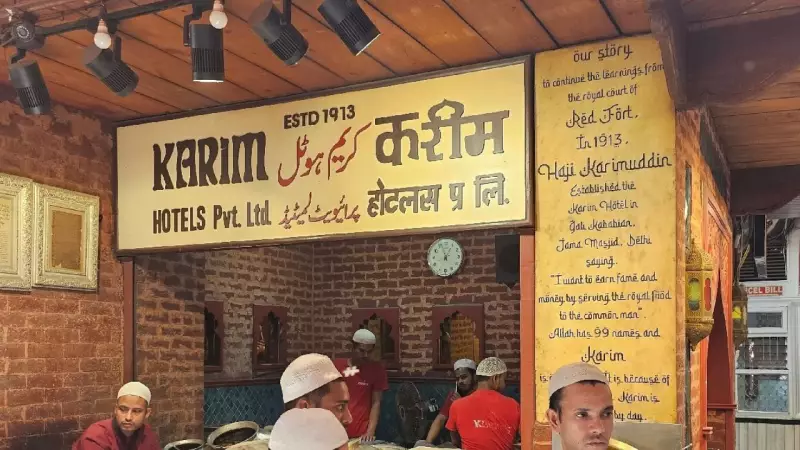
Near Delhi's Jama Masjid, Karim's has been serving food fit for royalty to the common man since 1913. With roots tracing back to Mughal kitchens, its nihari, kebabs, and kormas are celebrated for their unapologetic richness and depth of flavour. Karim's power lies in its unwavering consistency; the recipes have not been softened for modern tastes, offering a bold, authentic experience grounded entirely in tradition.
Finally, Paradise in Hyderabad, founded in 1953, is synonymous with the Hyderabadi biryani conversation in India. Evolving from a modest café to a culinary empire, its rise mirrors the post-independence celebration of regional food identities. Paradise's enduring success is built on mastering consistency at a massive scale, proving that a singular focus on perfecting one iconic dish can forge a legacy that lasts for generations.
These seven restaurants are more than places to eat. They are custodians of memory, serving plates filled with history, resilience, and an enduring promise of flavour that has stood the test of time.