

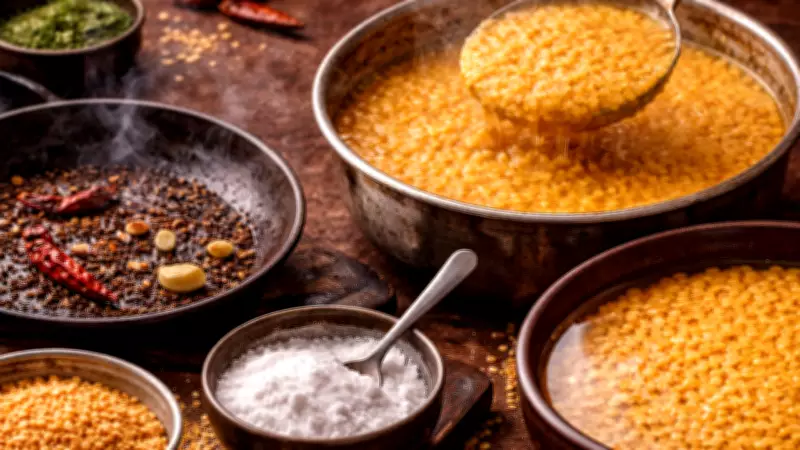
7 Common Cooking Mistakes That Reduce Protein Value in Dal
Dal, the humble lentil stew, stands as a nutritional cornerstone in countless Indian households. More than just a comforting side dish, it serves as a vital daily source of plant-based protein, delivering essential amino acids, dietary fiber, iron, and sustained energy. However, the full nutritional potential of dal is not guaranteed simply by including it in your diet. The preparation methods employed in the kitchen play a decisive role. Several widespread cooking practices, often rooted in convenience or tradition, can inadvertently compromise the body's ability to absorb the valuable protein lentils offer. By identifying and correcting these errors, you can ensure your bowl of dal delivers its maximum health benefits.
1. Skipping the Soaking Step
A fundamental yet frequently overlooked step is soaking lentils before cooking. Many cooks opt for a quick rinse before pressure cooking, which achieves tenderness but not optimal nutrition. Lentils naturally contain phytates, compounds that can bind to nutrients and inhibit their absorption. Soaking dal in water for several hours initiates the breakdown of these phytates, enhancing digestibility and making the protein more bioavailable. This process also results in softer lentils that cook faster. For best results, soak for 2-3 hours; for tougher varieties like chana dal, an overnight soak is even more effective.
2. Overcooking Until Mushy
While dal should be soft, excessive cooking can degrade its nutritional quality. Protein consists of delicate amino acid structures that can begin to break down under prolonged, high heat. Pressure cooking is efficient—most dals require only a few whistles to become perfectly tender. Extending cooking time beyond this point offers minimal textural benefit while gradually diminishing the nutrient content, turning your nutritious dal into a less potent meal.

3. Using Baking Soda for Softening
Some kitchens use a pinch of baking soda to accelerate cooking and soften lentils. Although effective for texture, this practice carries a nutritional cost. Baking soda creates an alkaline environment that can damage vitamins and alter the natural protein structure within the lentils. Regular use may reduce the dish's nutritional value and even affect its authentic flavor. Achieving softness through proper soaking and cooking is a healthier alternative that preserves the lentil's natural nutrient profile.
4. Discarding the Cooking Water
A significant mistake occurs when lentils are boiled separately and the cooking liquid is drained away. As lentils cook, water-soluble vitamins and some amino acids leach into the surrounding water. Discarding this liquid means throwing away a portion of the dal's nutritional value. Traditional recipes wisely incorporate this nutrient-rich broth into the final dish, creating a flavorful, slightly thickened base that retains more protein and micronutrients.
5. Eating Dal Without Grain Pairing
Dal is protein-rich, but its amino acid profile is incomplete, being relatively low in methionine, an essential amino acid. This is why Indian culinary tradition almost invariably pairs dal with rice, roti, or other grains. Grains provide the amino acids that lentils lack, creating a complementary protein combination. Consuming dal alone reduces the efficiency of protein utilization. Pairing it with rice, millets, or whole wheat roti transforms the meal into a complete protein source, a sophisticated nutritional strategy honed over generations.
6. Repeatedly Reheating Leftovers
Dal often tastes richer the next day as flavors meld, but repeatedly reheating the same batch over several days can slowly erode its nutritional quality. Each heating cycle breaks down certain amino acids and gradually alters the protein structure. While not drastic, nutritionists note that frequent reheating diminishes freshness and nutrient integrity. A better approach is to store dal in smaller, meal-sized portions and reheat only what will be consumed immediately.

7. Burning the Tempering (Tadka)
The tempering, or tadka, is essential for dal's aromatic appeal, but overheating it can be detrimental. When oil becomes excessively hot and spices like cumin, garlic, or dried chilies are fried until burnt, harmful compounds can form. This scorched tempering can also compromise some nutrients in the dish. Ideal tempering involves blooming spices in hot oil just until they release their aroma, avoiding dark, bitter notes. A carefully timed tadka protects both the exquisite flavor and the nutritional integrity of your dal.
By mindfully adjusting these common kitchen habits, you can ensure that your daily dal remains a powerful and reliable source of high-quality plant protein, supporting overall health and wellness.
