

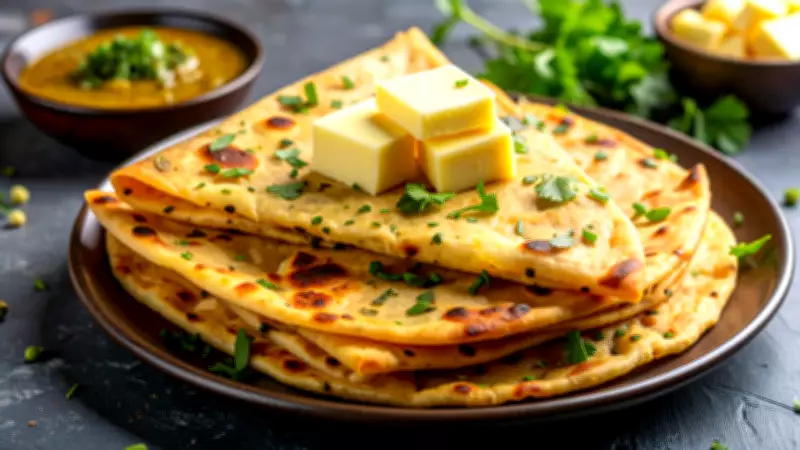
Beyond Paneer: Unveiling Protein-Rich Vegetarian Gems
Protein has traditionally been synonymous with paneer in Indian culinary culture. From paneer bhurji to paneer tikka, this dairy product frequently dominates discussions around vegetarian protein sources. However, paneer is far from the only viable option available. In reality, numerous everyday vegetarian foods quietly offer superior protein content per serving, often accompanied by fewer calories and enhanced dietary fibre.
For proper context, the average adult requires approximately 0.8 grams of protein per kilogram of body weight daily. This translates to roughly 48 grams for a 60 kg individual and about 56 grams for someone weighing 70 kg. Many people consistently fall short of these targets, particularly those whose diets lean heavily on carbohydrate-rich meals. Diversifying protein sources beyond paneer can effectively bridge this nutritional gap while introducing welcome variety and additional nutrients to daily eating patterns.
Seven Underrated Vegetarian Dishes With Superior Protein
Here are seven remarkably underappreciated vegetarian dishes that deliver impressive protein quantities, frequently exceeding paneer's content, along with straightforward preparation methods to incorporate them into your regular diet.

Moong Dal Chilla: The Protein-Packed Breakfast
Protein Content: Approximately 14-16 grams per serving (two medium chillas)
Moong dal chilla stands as one of the most efficient high-protein vegetarian breakfast options, yet it rarely receives the recognition it deserves outside traditional household kitchens. Since it originates from whole lentils, it provides both substantial protein and beneficial fibre, promoting prolonged satiety.
Preparation Method: Begin by soaking one cup of split yellow moong dal for 3-4 hours. After draining, grind the lentils with fresh ginger, green chilli, and minimal water to create a smooth batter. Incorporate salt and chopped onions or fresh coriander. Heat a pan, spread the batter thinly like a pancake, drizzle with oil, and cook until both sides achieve a golden-brown hue. The result is a crisp exterior with a soft interior, delivering surprising protein density.
Sattu Paratha: The Regional Powerhouse
Protein Content: Around 18-20 grams per serving (two parathas)
A culinary staple in Bihar and eastern Uttar Pradesh, sattu (roasted gram flour) represents one of the most protein-concentrated vegetarian ingredients in Indian kitchens. Despite this nutritional profile, it remains largely underrated beyond its regional origins.
Preparation Method: Combine roasted chana sattu with chopped onion, green chilli, coriander, salt, ajwain, and lemon juice in a bowl. Add mustard oil and water to form a crumbly filling. Encase this mixture within whole-wheat dough and roll into parathas. Cook on a hot tawa with light ghee or oil brushing until both surfaces turn golden.
Sprouted Moth Bean Salad: The Nutrient-Enhanced Option
Protein Content: Approximately 16-18 grams per bowl
Sprouting beans significantly improves nutrient absorption while increasing protein bioavailability. Moth beans specifically offer exceptional protein richness but remain comparatively obscure next to more common moong sprouts.
Preparation Method: Steam or lightly boil sprouted moth beans until tender. Combine with chopped cucumber, tomatoes, onion, and fresh coriander. Add lemon juice, roasted cumin powder, salt, and black pepper before tossing thoroughly. This creates a refreshing, high-protein salad suitable as either a light meal or complementary side dish.
Masoor Dal Khichdi: The Comfort Food Upgrade
Protein Content: About 17-19 grams per serving
While khichdi is typically perceived as comfort food rather than a protein source, utilizing masoor dal transforms it into a robust nutritional choice.
Preparation Method: Thoroughly rinse equal portions of red masoor dal and rice. In a pressure cooker, heat ghee and add cumin seeds, ginger, and turmeric. Incorporate the dal and rice, add water, and cook until achieving a soft, creamy consistency. Finish with salt and lemon juice. Masoor dal cooks rapidly and imparts a deep earthy flavour alongside substantial protein enhancement.

Black Chana Stir-Fry: The Legume Powerhouse
Protein Content: Approximately 18-20 grams per serving
Kala chana represents a nutritional powerhouse legume that typically appears only during fasting periods or occasional curries. Nevertheless, its protein content rivals numerous popular vegetarian staples.
Preparation Method: Pressure cook soaked black chana (overnight soaking recommended) until tender. Heat oil in a pan, add cumin seeds, garlic, and chopped onions. Stir in tomatoes, turmeric, chilli powder, and coriander powder. Incorporate the cooked chana and sauté briefly until spices thoroughly coat the beans. Complete with fresh coriander and lemon juice for a rapid protein-rich preparation.
Soybean Pulao: The Plant Protein Champion
Protein Content: About 22-24 grams per serving
Soybeans rank among the richest plant-based protein sources available, yet they remain infrequently utilized in everyday home cooking compared to conventional lentils.
Preparation Method: Soak dried soybeans overnight before boiling until soft. In a pan or cooker, heat oil and incorporate cumin seeds, bay leaf, and whole spices. Add chopped onions and sauté until golden. Mix in soaked rice, cooked soybeans, vegetables like carrots or peas, salt, and water. Cook until the rice becomes fluffy and aromatic.
Peanut and Sesame Chutney with Millet Roti
Protein Content: Approximately 15-17 grams per meal
Peanuts and sesame seeds collectively form a surprisingly protein-dense combination, particularly when paired with millet rotis such as jowar or bajra.
Preparation Method: Dry roast peanuts and sesame seeds before grinding with garlic, dried red chillies, salt, and tamarind or lemon juice. Add minimal water to create a thick chutney consistency. Serve alongside hot millet rotis lightly brushed with ghee. The nutty chutney delivers substantial protein while millets contribute essential minerals and dietary fibre.
By exploring these seven underrated vegetarian dishes, individuals can significantly enhance their daily protein intake while enjoying diverse flavours and textures that extend well beyond conventional paneer-based preparations.
