Many people assume Indian food is uniformly fiery, heavy, and complex, but this overlooks its rich regional diversity. Dishes often carry deep history and emotional memory, varying from breakfast to celebration food depending on location. Here are eight Indian dishes frequently misunderstood by foreigners and why they deserve a second look.
Butter Chicken Is Not the Whole Story
Butter chicken is often seen as the face of Indian food—rich, creamy, and slightly sweet. However, this stereotype flattens Indian cuisine into a single gravy-based style. Butter chicken comes from a specific North Indian restaurant tradition, not everyday home cooking across India. The reality is that Indian cuisine varies immensely, with meals in Kerala, Bengal, Punjab, Tamil Nadu, or Kashmir feeling like different culinary universes.
Curry Is Not One Dish
Many foreigners use “curry” as a catch-all for any saucy Indian dish, but in India, it is a broad category rather than a single recipe. Fish curry from coastal Bengal, rajma masala from Delhi, and dal from Gujarat are entirely different in texture, flavor, and preparation. Some are watery, some thick, some tangy, and some earthy. “Curry” describes a method, not a fixed identity.

Paneer Is Not Just Vegetarian Cheese
Paneer surprises foreigners because it does not melt like mozzarella or cheddar. Instead, it stays firm in dishes like paneer tikka or palak paneer. This is intentional: paneer is a fresh, mild cheese designed to hold shape under heat, absorbing spices and offering bite. In Indian vegetarian cooking, it provides richness and protein, not oozing texture.
Biryani Is Not Fried Rice with Spices
Biryani is often mistaken for a spiced fried rice dish, but it is far more intricate. It is layered, aromatic, and deeply regional, with Hyderabadi, Lucknowi, and Kolkata versions each telling a different story. The rice is cooked with intention, balancing flavors and textures through careful layering and technique—not simply mixing meat and rice.
Dosa Is Not an Indian Crepe
While dosa is thin and crisp, calling it a crepe reduces its cultural significance. It is a staple of South Indian cuisine, made from fermented batter of rice and lentils, served with chutneys and sambar. Dosa is everyday food in many homes, varying from plain to stuffed, paper-thin to thick. It is not a novelty snack but a process-driven staple.
Samosa Is Not Just Indian Fast Food
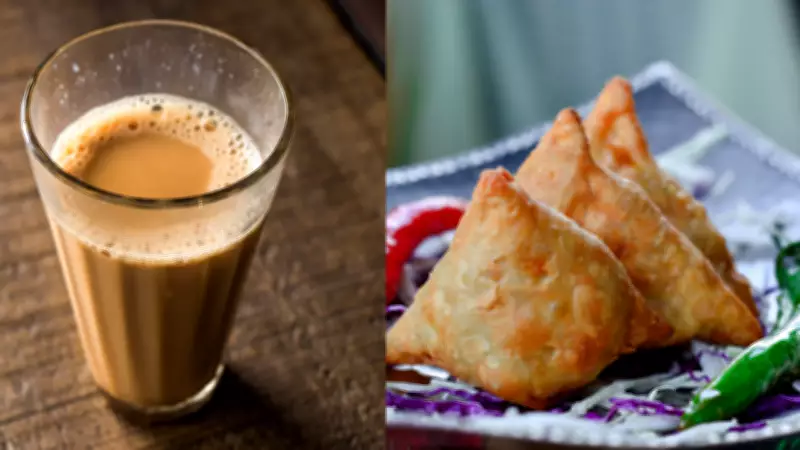
To visitors, samosa may look like a pastry snack, but in India it is more than convenience food. It is tea-time company, office snack, monsoon comfort, and part of celebrations. Fillings vary regionally—spiced potato, peas, lentils, or meat. Its importance lies in context: eaten with chutney, shared among friends, or picked up on a busy evening.
Chai Is Not Just Tea with Spices
Foreigners often call chai “tea,” but masala chai is a ritual. Brewed with milk, sugar, tea leaves, and spices, its recipe varies by region and family. Chai is not a trendy café drink; in India, it is ordinary, intimate, and deeply social—served during breaks, arguments, rainstorms, and late-night conversations.
Chicken Tikka Masala Is Not the Same as Tikka
Many confuse chicken tikka masala with chicken tikka. Chicken tikka is marinated, grilled chicken pieces, while chicken tikka masala is a saucier, richer dish developed in the diaspora. This does not make it less legitimate; Indian food travels and adapts, picking up new forms along the way.