

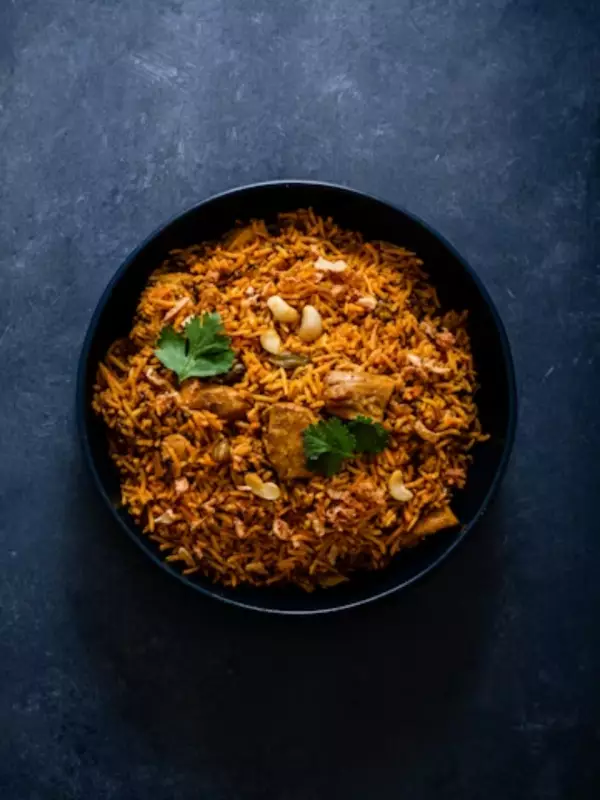
Indian cuisine is a vibrant tapestry of flavours, renowned for its bold spices and diverse regional specialities. One of its most fascinating aspects is the ability of certain dishes to transcend the traditional boundary between sweet and savoury. These culinary chameleons offer two distinct taste experiences, showcasing the incredible versatility and creativity inherent in India's food culture. From festive treats to everyday snacks, here are eight such remarkable foods that are enjoyed in both their sweet and savoury avatars.
The Duality of Dahi Vada and Malpua
Let's begin with a popular North Indian favourite: Dahi Vada. In its classic savoury form, lentil fritters (vadas) are soaked in water, then immersed in thick, creamy yoghurt (dahi). This version is typically topped with tangy tamarind chutney, roasted cumin powder, and a sprinkle of red chilli powder. However, in states like Odisha and West Bengal, a sweet incarnation known as Dahi Bara takes centre stage. Here, the vadas are dunked in a lightly sweetened yoghurt mixture, often accompanied by a sweet and sour tamarind-water solution (aloo dum in some regions), creating a delightful contrast.
Another star of this category is Malpua. This deep-fried pancake is a quintessential Holi and Ramadan delight. The savoury version, sometimes found in regions like Bihar and Uttar Pradesh, incorporates black pepper, cumin, and sometimes even minced meat or onions into the batter, served with a spicy chutney. Its more widely recognised sweet sibling is made with a flour, milk, and mashed banana or coconut batter, deep-fried until crisp and then soaked in a fragrant sugar syrup, often cardamom-infused. It's frequently paired with rabri (thickened sweet milk).

Street Food Staples: Chaat and Toast
The world of Indian street food offers brilliant examples of this flavour duality. Chaat, a broad term for tangy, spicy snacks, usually features a base like fried dough, potatoes, or chickpeas, topped with yoghurt, chutneys, and sev. Yet, a sweet chaat also exists. This version might include ingredients like sweet yoghurt, jaggery syrup, sweet boondi, fruits like banana and apple, and nuts, offering a dessert-like experience while retaining the textural complexity of its savoury counterpart.
Even something as simple as Toast gets a dual treatment. Savoury toast, a common breakfast or snack, is buttered and seasoned with spices, herbs, and sometimes vegetables. The sweet version, however, is a beloved comfort food. Bread slices are buttered and generously sprinkled with sugar, sometimes enhanced with cardamom. For an extra treat, it is topped with sliced fruits like bananas or a layer of homemade fruit jam.
Festive and Regional Specialities
Many dishes tied to festivals and specific regions beautifully exhibit this sweet-savoury flexibility. Pongal, the Tamil harvest festival, gives its name to a iconic dish. Ven Pongal is the savoury version—a hearty porridge of rice and lentils tempered with cumin, pepper, ginger, and ghee, served with sambar and chutney. Sakkarai Pongal is the sweet festival offering, where the rice and lentils are cooked with jaggery, ghee, cardamom, and cashews, celebrating the harvest's bounty.
Sheera or Suji Halwa is another versatile preparation. As a common naivedyam (offering) in temples or a breakfast item, the savoury version, also called Uppittu in Karnataka, is made by roasting semolina with spices, vegetables, and peanuts. The beloved sweet halwa, however, is a festival staple made with roasted semolina, ghee, sugar, and nuts like almonds and cashews.
The humble Paratha also joins this list. While aloo paratha, gobi paratha, and paneer paratha dominate the savoury spectrum, sweet parathas hold their own. These are often stuffed with sweetened khoya (milk solids), jaggery and coconut, or even a reduced milk and sugar mixture, providing a delicious end to a meal or a special breakfast item.

Finally, the Puran Poli of Maharashtra and neighbouring states perfectly encapsulates this concept. It is a flatbread stuffed with a sweet filling made from cooked chana dal (split chickpeas) and jaggery, flavoured with cardamom and nutmeg. The inclusion of the lentil provides a subtle earthy base that complements the sweetness, making it a unique dish that is inherently both savoury (from the dal) and sweet (from the jaggery) in every single bite.
A Testament to Culinary Ingenuity
These eight foods are more than just dishes; they are a testament to the adaptability and ingenuity of Indian cooking. They reflect how regional availability, seasonal festivals, and cultural preferences have shaped a cuisine that refuses to be pigeonholed. The ability to transform the same core ingredient into two radically different taste profiles speaks volumes about the culinary intuition passed down through generations. Whether you crave something spicy or have a sweet tooth, these versatile Indian foods offer the best of both worlds, proving that in the diverse landscape of Indian flavours, there is always room for delightful contradiction.





