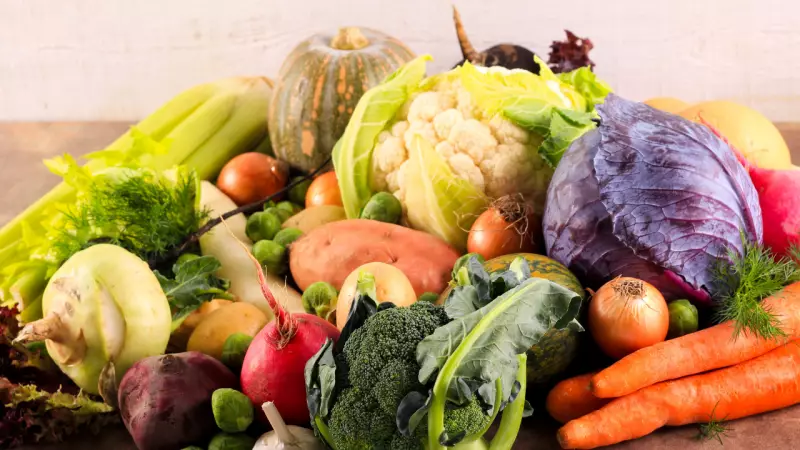
As the chill sets in across the Indian subcontinent, a distinct shift occurs in local markets. The produce that appears is not just different in variety but in character. Winter vegetables, grown slowly in the cold, develop a structural integrity and a deeper, inherent sweetness that their summer counterparts lack. This fundamental difference is instinctively understood in traditional Indian kitchens, where these vegetables are treated not with haste, but with patience and warmth, resulting in dishes that are grounding and profoundly flavourful.
The Philosophy of Winter Cooking in India
Indian culinary traditions have long celebrated the seasonal bounty. Winter vegetables are not meant to be eaten raw without thought or masked by excessive spice. Instead, they are designed to be cooked slowly, allowing their natural sugars to caramelise and their textures to transform. This approach yields food that provides comfort and warmth from within, perfectly suited to the colder months. The following eight vegetables are staples during this season, each offering unique benefits and flavours.
Carrot (Gajar): The Winter Sweetheart
Winter carrots are a revelation. They are denser, sweeter, and far more aromatic than those available off-season. Their robust structure allows them to handle heat well, softening gradually to perfection.

The best ways to use winter carrots include slow-cooking them in sabzis, adding them to fragrant pulao, or grating them for the iconic gajar ka halwa when their sweetness peaks. A simple stir-fry with cumin seeds (jeera) and ghee is enough to let the vegetable's own superb flavour shine through.
Green Peas (Matar) and Cauliflower (Gobhi): The Classic Duo
Fresh, tender winter peas are a world apart from their frozen counterparts. They bring a vital brightness and slight sweetness to hearty meals and cook quickly.
Incorporate them into rice dishes like matar pulao, mash them for kachori fillings, or stir them into curries at the final stage to preserve their delicate texture and colour.
Winter cauliflower, or gobhi, is firm, compact, and less watery. This makes it ideal for absorbing spices without turning to mush, explaining its dominance on winter menus.
To do it justice, roast florets to unlock a deep, nutty flavour, cook it dry with minimal masala, or pair it with potatoes for a balanced sabzi. The key is to avoid overcooking; cauliflower rewards culinary restraint.
Mustard Greens (Sarson) and Radish (Mooli): The Bold and The Mild
Sarson ka saag is winter's bold anthem. These greens are unapologetically bitter and full-bodied, a taste that defines the season.
They demand slow cooking with minimal ingredients, generous amounts of fat, and the perfect companion—makki ki roti. Patience, more than complex spice, is the essential ingredient here.
Winter radish, or mooli, is milder, juicier, and less pungent than its other seasonal versions. Often avoided due to its strong raw aroma, it becomes surprisingly gentle when cooked properly.
Grate and cook it dry with cumin, use it as a stuffing for flavourful parathas, or add it to simple dals. A common dietary advice is to avoid consuming large quantities of raw radish at night.
Beetroot, Turnip (Shalgam), and Sweet Potato (Shakarkandi): The Earthy Trio
Beetroot thrives in winter soil, developing an intense colour and profound sweetness. It adds earthy warmth to any dish.
Try it in poriyal-style stir-fries, grate it into cutlets, or roast it lightly to concentrate its flavour. A splash of lemon juice or vinegar beautifully balances its natural richness.
Turnips are the versatile workhorses of winter. Mild, fibrous, and filling, they absorb surrounding flavours and soften beautifully with slow cooking.
They excel in hearty stews, mixed vegetable sabzis, and curries. Their subtle sweetness also makes them an excellent addition to warming soups, where they help round out spices.
Finally, the sweet potato, or shakarkandi, is winter's ultimate comfort food. Naturally sweet, starchy, and warming, it requires very little intervention to be delicious.
Simply steam or roast them, toss with chaat masala for a quick snack, or mash them into tikkis. Their versatility allows them to bridge savoury and lightly sweet preparations with ease.

Embracing the Seasonal Shift
The arrival of these eight vegetables is a culinary marker of the season in India. Their shared characteristics—deeper flavours, higher sugar content, and sturdy textures—call for a change in cooking approach. By choosing these seasonal gems and treating them with the simple, respectful methods outlined, home cooks can create meals that are not only nutritious but also deeply connected to the rhythm of the year. This winter, let the produce guide you to meals that are truly grounding.