

9 High-Protein Vegetables to Include in Your Daily Diet
Protein is frequently linked with animal products like eggs and meat or specialized supplements such as protein shakes. However, numerous everyday vegetables can also make a substantial contribution to meeting your daily protein requirements. On average, most adults need approximately 0.8 grams of protein per kilogram of body weight each day. For many individuals, the recommended daily protein intake ranges from 45 to 60 grams, depending on factors like age, activity level, and overall health status.
While vegetables alone might not fulfill the entire protein requirement, incorporating protein-rich sabzis into your meals can significantly support balanced nutrition. These foods also provide essential fiber, vitamins, and minerals that aid digestion and promote overall well-being. Below, we explore nine sabzis that can quietly yet effectively boost your protein intake.
Green Peas
Green peas may appear small, but they are surprisingly rich in plant-based protein. One cup of cooked green peas delivers about 8 to 9 grams of protein. They are also high in fiber, which supports healthy digestion and helps maintain a feeling of fullness for longer periods. In Indian kitchens, peas are incredibly versatile. You can prepare a comforting matar paneer, a simple aloo matar, or even add them to vegetable pulao for enhanced nutrition. During the winter season, many households enjoy matar ki sabzi cooked with mild spices and tomatoes, which pairs beautifully with roti or paratha.

Spinach
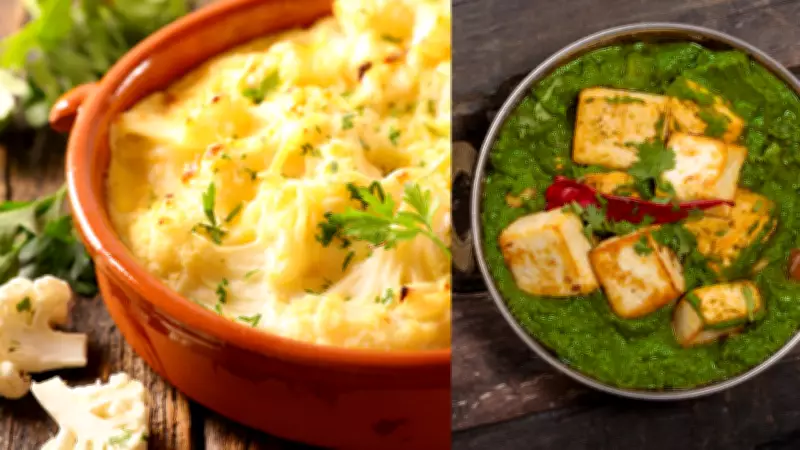
Spinach is often celebrated for its iron content, but it also contributes useful protein to your meals. One cup of cooked spinach contains approximately 4.5 to 5 grams of protein. It is light, nutrient-dense, and easy to incorporate into everyday cooking. A classic dish is palak paneer, where spinach is blended into a smooth gravy and cooked with cubes of paneer. You can also make palak chana sabzi, palak dal, or simply sauté spinach with garlic and spices as a quick side dish. Since spinach reduces significantly when cooked, it is easy to consume a larger quantity in a single meal.
Broccoli
Broccoli has gained increasing popularity in Indian cooking, and for good reason. One cup of cooked broccoli provides around 4 grams of protein, along with vitamin C, fiber, and antioxidants. It works well in simple stir-fries or fusion-style dishes. Many people enjoy broccoli sabzi with garlic and cumin, while others add it to mixed vegetable curry or vegetable pulao. Lightly sautéed broccoli with capsicum and spices also makes a quick and nutritious sabzi for weekday meals.
Mushrooms
Mushrooms are among the most satisfying plant-based ingredients, known for their slightly meaty texture. One cup of cooked mushrooms offers roughly 2 to 3 grams of protein. They absorb flavors beautifully and cook quickly, making them ideal for everyday meals. Popular dishes include mushroom masala, mushroom matar curry, or mushroom bhurji, where mushrooms are finely chopped and sautéed with onions, tomatoes, and spices. They also work well in light gravies that can be served with roti or jeera rice.
Cauliflower
Cauliflower is a staple sabzi in many Indian homes and contributes a modest amount of protein while remaining highly versatile. One cup of cooked cauliflower provides about 3 grams of protein. Although the protein content is not extremely high, it pairs well with other ingredients to create balanced meals. The most common dish is aloo gobi, a comforting combination of potatoes and cauliflower cooked with turmeric, cumin, and coriander. You can also prepare gobi matar, gobi masala, or roast cauliflower with spices for a lighter alternative.
Sweet Corn
Sweet corn is not only delicious but also adds a small boost of plant protein. One cup of sweet corn contains around 4 to 5 grams of protein, along with carbohydrates that provide quick energy. Corn works beautifully in simple sabzis such as corn capsicum masala or corn palak curry. Many households also prepare buttery corn masala with mild spices for flavor, which pairs well with roti or even toasted bread for a quick meal.

Raw Jackfruit (Kathal)
Raw jackfruit, often used as a vegetarian alternative to meat, also contributes some protein along with fiber. One cup of cooked raw jackfruit provides about 2 to 2.5 grams of protein. Its firm texture makes it ideal for rich curries. A popular dish is kathal masala, where chunks of jackfruit are cooked in a thick onion-tomato gravy. In some regions, people also make kathal kofta curry or a dry spiced jackfruit sabzi that tastes especially good with parathas.
Amaranth Leaves (Chaulai/Rajgira Leaves)
Amaranth leaves are among the most nutrient-dense leafy vegetables used in traditional Indian cooking. One cup of cooked amaranth leaves provides around 4 grams of protein, along with iron, calcium, and antioxidants. They are commonly prepared as chaulai ki bhaji, chaulai dal, or simple sautéed greens with garlic and chillies. In many regions, they are considered a highly nourishing seasonal green.
Cluster Beans (Guar)
Cluster beans are a traditional vegetable often used in Western Indian cooking. One cup of cooked cluster beans contains about 4 grams of protein and plenty of fiber. They are commonly prepared as guar ki sabzi with spices, sesame seeds, or potatoes in Rajasthani and Gujarati cuisines.
Vegetables can certainly contribute to your daily protein intake, but they work best when combined with other protein-rich foods such as dal, legumes, paneer, curd, or whole grains. Including a variety of these sabzis in your daily meals can help create a more balanced and nourishing diet while also adding flavor, fiber, and essential nutrients to your plate.
