

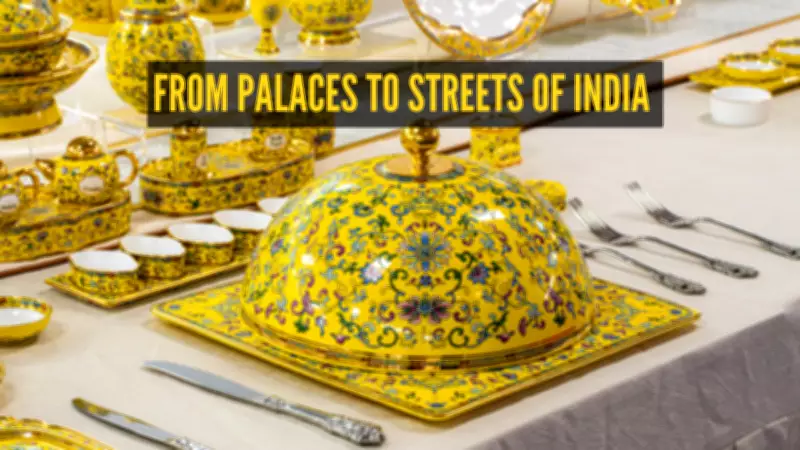
From Palaces to Pavements: The Evolution of Royal Indian Cuisine
Indian cuisine represents a living tapestry of history, culture, and culinary innovation. Perhaps nowhere is this evolution more evident than in the remarkable journey of royal dishes that have descended from palace kitchens to become beloved street food staples. What was once exclusively prepared for kings, nawabs, and nobility with meticulous care and rare ingredients has now been adapted for the masses, creating a delicious bridge between India's regal past and its vibrant present.
The Democratization of Royal Flavors
Every culinary creation evolves with time, and that transformation represents the very essence of cooking artistry. As centuries have passed, ingredients have changed, flavors have adapted, cooking utensils have modernized, and techniques have been refined. This test of time has been witnessed most dramatically at royal dining tables across the Indian subcontinent. Dishes that were once reserved for palace kitchens—featuring slow-cooked meats, aromatic rice preparations, and indulgent sweets—are now skillfully adapted by street vendors and local eateries, making these regal flavors accessible to everyone. Their migration from royal courts to roadside stalls reflects the dynamic, evolving nature of Indian gastronomy.
Nine Regal Dishes Now Available as Street Food
1. Biryani: The Crown Jewel of Indian Cuisine
This iconic royal dish originated in the lavish kitchens of Awadh, where master chefs would slow-cook fragrant rice and tender meat in sealed pots called handis, allowing complex flavors to develop gradually through the dum pukht method. The aromatic blend of spices, saffron, and carefully selected meats created a dish fit for royalty. Today, this culinary masterpiece has become so democratized that you can enjoy authentic versions at street stalls across India, each vendor adding their unique regional twist to this timeless classic.

2. Nalli Nihari: A Breakfast Fit for Kings
This rich Mughlai stew, traditionally made with marrow bones and an intricate blend of aromatic spices, was originally served as a royal breakfast to provide sustained energy throughout the day. Requiring long, slow cooking hours to achieve its signature texture and depth of flavor, modern street vendors have developed clever techniques to recreate this luxurious dish more efficiently. It has become a popular breakfast treat on various food walks and is typically enjoyed with sheermal or khamiri roti.
3. Galouti Kebab: The Tender Delight
Created in Nawab Asaf-ud-Daula's Lucknow court specifically for a toothless noble who still desired to enjoy meat, these melt-in-your-mouth kebabs were relished as a royal delicacy for generations before becoming a street food sensation across India. The secret lies in the finely minced meat and unique spice blend that requires no chewing. Today, in virtually every Indian city, you'll find street stalls serving these succulent kebabs with ulte tawe ka paratha or rumali roti.
4. Mughlai Paratha: A Stuffed Treasure
The name itself evokes royalty, and this treat remains a favorite among meat lovers. Made from refined flour dough balls stuffed with spiced minced meat and egg before being cooked to golden perfection, this dish was reportedly a favorite among Mughal nobles. According to culinary legends, it has now become a street food delicacy that can be enjoyed in the bustling bylanes of Chandni Chowk and similar food hubs across the country.
5. Faluda: The Royal Refreshment
Food historians trace this delightful dessert's origins to Persian faloodeh, which was then refined and elevated in Mughal courts with the addition of rose syrup, vermicelli, basil seeds, and milk. Once a sophisticated treat served in royal settings, it has transformed into a popular street food delight now served in humble paper plates across Indian cities, especially during summer months.

6. Shahi Tukda: The Regal Dessert
This luxurious dessert features crispy fried bread slices soaked in saffron-infused sugar syrup and topped with thick, creamy rabri—creating a perfect balance of richness and texture. Traditionally garnished with slivered nuts, rose petals, and a hint of cardamom, Shahi Tukda was often served during royal festivals and special occasions. It is now easily available on the streets as an indulgent dessert that brings a taste of royalty to everyday life.
7. Kakori Kebab: The Nawabi Creation
These ultra-soft, delicately spiced kebabs were originally crafted for the nawabs of Kakori, featuring finely ground meat and a secret blend of spices that created their signature texture. Once exclusive to aristocratic tables, they are now grilled and sold on streets as a popular delicacy, maintaining their reputation for exceptional tenderness despite their more accessible price point.
8. Dal Bukhara: The Luxurious Lentil Preparation
This opulent lentil dish made with whole black urad dal represents the height of slow-cooked perfection. Traditionally prepared by simmering for hours with generous amounts of butter and cream, it develops a rich, smoky flavor that defined royal dining. This once-exclusive dish is now available at numerous dhabas and street stalls serving North Indian thali, bringing gourmet flavors to everyday meals.
9. Zafrani Pulao: The Saffron-Infused Rice
The generous use of saffron, ghee, and abundant dry fruits originally defined the royalty of this fragrant rice dish. While authentic versions still feature these luxurious ingredients, street adaptations often replace saffron with food colors and use nuts primarily as garnish rather than integral components. Nevertheless, the essence of this royal preparation continues to delight food enthusiasts at street stalls across the country.
The Culinary Legacy Continues
The transformation of these nine dishes from exclusive royal fare to popular street food represents more than just culinary adaptation—it symbolizes the democratization of taste and the enduring appeal of India's rich gastronomic heritage. As these recipes continue to evolve on street corners and food stalls, they carry forward centuries of culinary wisdom while adapting to contemporary tastes and accessibility. This beautiful synthesis of tradition and innovation ensures that everyone can experience a taste of royalty, one delicious bite at a time.
