A Momo for Myself: The Guilty Pleasure of Solo Dining and Parenting Sacrifices
In the bustling world of parenting, where every meal often revolves around the needs and whims of children, the simple act of ordering a plate of momos just for myself becomes a profound statement of self-indulgence. Written by Shalini Langer, this reflection delves into the metaphor of momos to explore the sacrifices parents make and the fleeting joys of solo dining.
The Metaphor of Momos: A Symbol of Parenting and Sacrifice
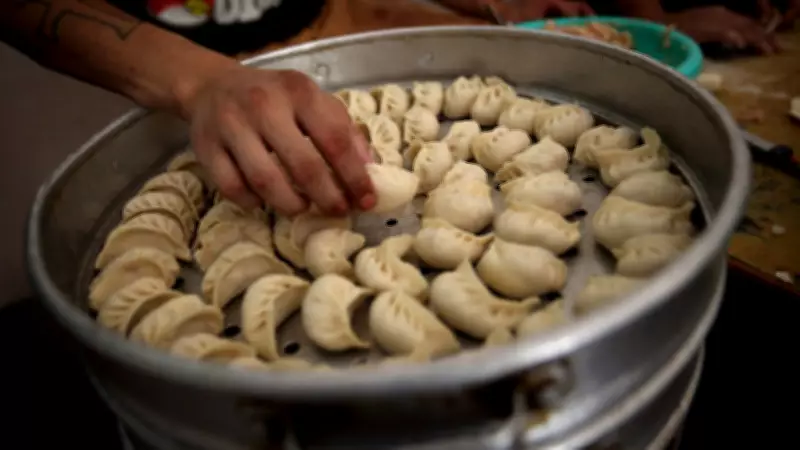
Love, in its purest form, might be as simple as setting aside that last piece of momo for your child. This pithy sentiment resonates deeply in households with grown children who seem to have an uncanny ability to detect the aroma of momos from the depths of their rooms, emerging only when the food is served. The author uses momos not just as a culinary delight but as a powerful metaphor for the translucence and succulence of parental love, enhanced by the fiery red sauce that leaves a lasting impression far beyond the brief moments of consumption.
This metaphor evokes memories of the author's own childhood, where restaurant visits were rare and financial constraints meant a go-to order of tomato soup, shared as 1:2 between siblings. The memory of their mother dutifully transferring crunchy bread crumbs from her bowl to theirs raises poignant questions about parental desires and sacrifices. Did their mother yearn for those crumbs herself? The question remains unanswered, but it lingers as the author now navigates similar dilemmas with her own children.

The Joy of Solo Dining: A Cornucopia of Pleasures
The sharpest reminder of personal indulgence comes during solo outings, particularly in cinema halls where work demands squeezing in lunch while watching films. Here, the author experiences a cornucopia of pleasures: cushioned seats, perhaps a Hugh Grant movie, and a hot meal delivered directly to the seat. Stepping into the food court amplifies this joy, with endless outlets and choices, all decisions made solely for oneself.
In these moments, categories like breakfast, lunch, or dinner dissolve, replaced by the freedom to indulge without considering calories, setting examples, or worrying about cleanup. The only creeping worry is the familiar anxiety of missing out on something better—a feeling akin to scrolling through Netflix with a remote, paralyzed by too many options.
Parenting Sacrifices: From Protein Requirements to Doomsday Kebabs
Reflecting on home-cooked meals, the author wonders when she last prepared a dish solely for her own cravings, rather than to meet her son's protein needs, satisfy her daughter's hostel-deprived taste buds, or nurture her husband's belief in homemade kebabs as a doomsday staple. This highlights the often-overlooked sacrifices parents make, where personal preferences are subsumed by familial responsibilities.
Even in exploring healthier options like wheat-based momos or indulging in sandwiches, wraps, and brownies, old habits resurface. Halfway through a brownie, the author often wraps the remainder in a napkin to bring home, where its crushed presence on the dining table symbolizes the enduring, if messy, nature of parental love.
Conclusion: The Enduring Legacy of Parental Love
Through the lens of momos and solo dining, this piece captures the bittersweet reality of parenting, where personal indulgences are rare but cherished, and sacrifices are made with quiet dignity. The sight of a hopelessly crushed brownie, offered freely to family, fills the author with a sense of completeness, reminding us that in the chaos of choices and responsibilities, love often manifests in the smallest, most translucent moments.