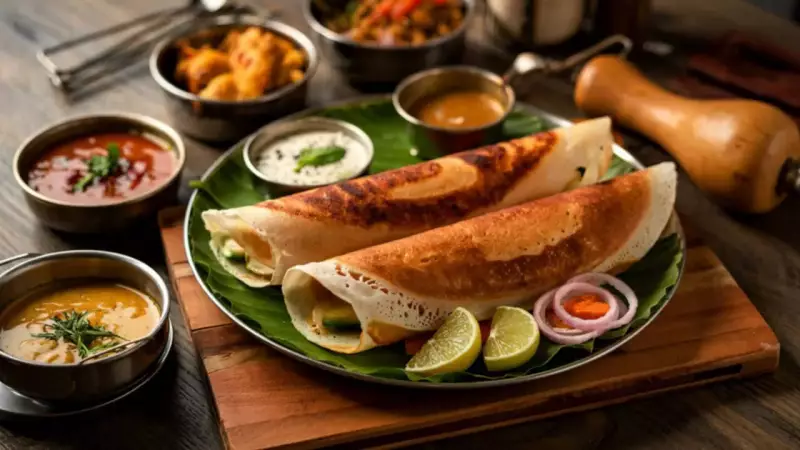
For those in the know, Benne Dosa is far more than just another item on the menu. It's an experience, a mood, and a beloved piece of Bangalore's culinary soul. The magic begins with an aroma that wafts through old darshinis long before the plate lands on your table—the sound of butter sizzling on a hot iron tawa, promising an indulgence that is unapologetically rich and deeply comforting.
The Essence of a Perfect Benne Dosa
This iconic dish defies modern diet trends. Benne Dosa is meant to be savoured slowly, its thicker, softer form a stark contrast to the thin, crisp dosas more commonly found. The centre stays wonderfully spongy while the edges achieve a golden crispness, all permeated with the unmistakable flavour of generous amounts of butter. It's traditionally served with simple coconut chutney and a side of potato saagu or vegetable kurma, completing a truly satisfying meal.
Crafting the Authentic Batter: Ingredients and Technique
The foundation of a great Benne Dosa lies in its batter, which requires a specific blend of ingredients and careful fermentation. You will need raw rice (or dosa rice), a small portion of parboiled rice, urad dal (black gram), a little poha (flattened rice) or cooked rice, fenugreek seeds, and salt.

The combination of raw and parboiled rice is crucial for achieving the desired softness with crisp edges. The poha or cooked rice is the secret ingredient that lends the dosa its characteristic spongy, fluffy centre.
Preparation involves separate soaking times. Wash the rice and urad dal separately. Soak the raw rice, parboiled rice, poha, and fenugreek seeds together for five to six hours. The urad dal should be soaked separately for three to four hours.
Grind the urad dal first, adding water slowly, until it becomes light and airy. Next, grind the rice mixture until smooth but not overly fine. Combine both batters in a large bowl, add salt, and mix gently using your hand—this aids the fermentation process. Cover and let it ferment overnight or until the batter rises and develops a slight tangy aroma. The final batter should be thick yet pourable, noticeably thicker than regular dosa batter.
The Art of Cooking with Butter: A Non-Negotiable Step
Here lies the heart of the dish. Using ample butter is not a suggestion; it's a requirement. While traditional white butter is used, good-quality unsalted butter works perfectly. Have some butter melted and some kept solid, as both will be used during cooking.
Heat a cast-iron or heavy tawa well, then lower the flame slightly. Unlike for a regular dosa, do not grease the tawa with oil. Instead, lightly rub it with a bit of butter using a cloth or paper towel.
Pour a ladle of batter in the centre and spread it gently in a circular motion, keeping it thick and smaller in diameter than a standard dosa. Immediately, add generous dollops of butter on top and around the edges. Let it cook slowly on a medium flame. Bubbles will form on the surface. Cook until the bottom is golden and crisp while the centre remains soft. Traditionally, it is cooked on one side only and then gently folded before serving.
Serving Suggestions and Common Pitfalls to Avoid
A well-made Benne Dosa should be crisp at the edges, soft in the centre, and rich with butter flavour without being burnt. It should fold without cracking. The ideal accompaniments are a slightly sweet, non-spicy coconut chutney and a hearty potato saagu or vegetable kurma.
Avoid these common mistakes: skimping on butter, spreading the batter too thin, or using under-fermented batter. If your dosa turns hard, the batter may be too thin or the heat too high. If it feels raw inside, lower the flame and cook for a longer duration.
Benne Dosa is the epitome of comfort food, perfect for a leisurely weekend breakfast or a special treat. Mastering it at home requires practice, but getting the batter and heat right leads to an utterly addictive result. The effort is rewarded by that irreplaceable, buttery aroma filling your kitchen.
Disclaimer: This content is intended purely for informational use and is not a substitute for professional medical, nutritional, or scientific advice. Always seek support from certified professionals for personalised recommendations.