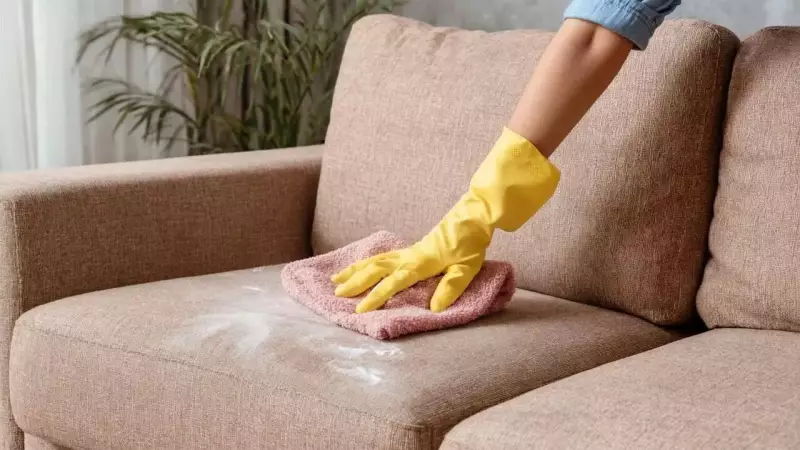
Revive Your Fabric Couch: The Natural Power of Baking Soda for Odor Elimination
Your living room couch endures countless moments of daily life—from relaxing movie marathons and cozy pet snuggles to accidental snack spills and routine lounging. Over time, fabric upholstery can accumulate persistent odors that ordinary vacuuming simply cannot address. Many homeowners resort to chemical sprays or masking agents, only to encounter sticky residues or temporary solutions. Fortunately, there exists an eco-friendly, highly effective alternative that is gentle on both your furniture and the environment: baking soda.
Why Baking Soda Works Wonders on Fabric Couches
Baking soda transcends its humble pantry role by serving as a powerful natural deodorizer. Unlike synthetic fragrances that merely cover up unpleasant smells, baking soda actively neutralizes odors at their source. Its fine, powdery texture allows it to penetrate deep into fabric fibers, where it absorbs both moisture and trapped odors. Because it is a dry substance, baking soda does not saturate upholstery like liquid cleaners, thereby reducing the risk of mold or bacterial growth associated with excess dampness. This makes it an ideal choice for households with pets, children, or frequent guests, offering a quick refresh between thorough cleaning sessions.
Step-by-Step Guide to Cleaning Your Couch with Baking Soda
Prepare the Couch Surface

Begin by removing all cushions, blankets, and detachable covers. Use an upholstery attachment on your vacuum cleaner to thoroughly eliminate loose debris such as crumbs, pet hair, and dust. A clean surface ensures that the baking soda can work directly on embedded odors without interference.
Conduct a Spot Test
Before applying baking soda broadly, it is crucial to test a small, hidden area of your couch. Sprinkle a tiny amount and wait 10 to 15 minutes to check for any adverse effects on fabric color or texture. This precaution helps prevent potential damage to your upholstery.
Apply Baking Soda Generously
Once the spot test is successful, evenly sprinkle a liberal layer of baking soda across the entire couch. Pay special attention to seats, backs, arms, and seams where odors often linger. Uniform coverage enhances the powder's odor-absorbing capabilities.
Allow Time for Absorption
For mild odors, let the baking soda sit for 20 to 30 minutes. For more stubborn smells—such as those from pets, food, or mustiness—extend the waiting period to several hours or even overnight. This extended time allows the baking soda to penetrate deeply and neutralize odors effectively.
Vacuum Thoroughly
After the baking soda has absorbed odors, vacuum it up using slow, overlapping motions. An upholstery brush attachment is recommended, as it helps extract the powder from deep within fabric fibers rather than merely skimming the surface.
Optional Freshening Step
For an added burst of freshness, lightly mist the couch with a fabric-safe spray after vacuuming. Avoid soaking the fabric, as excessive moisture can lead to mold and new odors. If odors persist or if the upholstery shows signs of damage, consider consulting a professional cleaner.
Addressing Pet Urine Odors with Baking Soda
Baking soda can indeed help eliminate pet urine smells, especially when used correctly and promptly. For fresh accidents, first clean and blot the area to remove moisture, then allow the fabric to dry completely before applying baking soda. Once dry, sprinkle the powder, let it sit for several hours, and vacuum. For older, set-in odors, baking soda may need to be supplemented with an enzyme cleaner to fully break down bacterial sources of smell.
Additional Tips for Maintaining a Fresh-Smelling Couch
Long-lasting couch freshness relies on consistent habits rather than occasional cleanings alone. Regularly vacuum your couch to prevent dust, crumbs, and pet hair from embedding deeply. Address spills and stains immediately to avoid them becoming permanent odor sources. Steer clear of harsh chemicals that might damage fabric or leave lingering scents. Always refer to your couch's care instructions before cleaning, as different materials may react uniquely to powders or moisture.