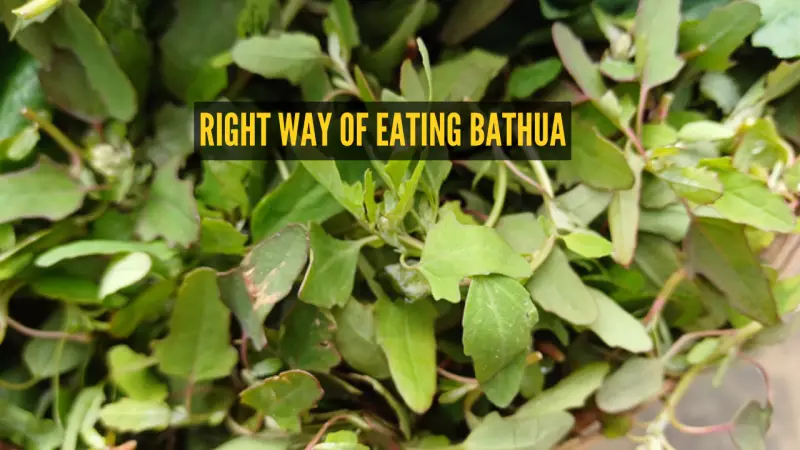
As the winter chill sets in, our plates welcome a variety of fresh, seasonal greens. Among them, the humble bathua, often overlooked, emerges as a nutritional powerhouse. Scientifically known as Chenopodium album or commonly called pigweed, this leafy vegetable is deeply revered in Ayurveda for its remarkable health-promoting properties.
Ayurvedic Power and Proven Health Benefits of Bathua
According to Ayurvedic principles, bathua leaves possess tridosha-balancing properties, specifically helping to pacify vata and kapha doshas. They are known to enhance digestion (agni) and support the body's natural detoxification processes. Modern research and traditional use back up these claims with impressive findings.
Bathua is rich in dietary fiber, promoting healthy digestion, relieving constipation, and maintaining gut health. A study highlights that oil derived from the plant has been used to paralyze or eliminate intestinal worms. The plant has a historical footprint in folk medicine as an analgesic, anti-inflammatory, diuretic, and sedative agent. It is also traditionally employed as a potent blood purifier.

A comprehensive study titled 'Chenopodium album Linn: review of nutritive value and biological properties' corroborates its traditional uses, noting its role as a diuretic, sedative, hepatoprotective (liver-protecting), antiscorbutic, laxative, and anthelmintic (against roundworms and hookworms) agent. Pharmacological studies have further revealed that the plant exhibits sperm immobilizing and contraceptive properties, along with being antipruritic (relieving itching) and antinociceptive (pain-blocking).
The nutritional profile of bathua is exceptional due to its high protein content and a balanced spectrum of amino acids. Its chief phytochemical compounds include alkaloids, flavonoids, steroids, and saponins. The essential oil from its leaves contains beneficial compounds like p-cymene and the anthelmintic compound ascaridole.
For skin and hair, the leaves are a boon, packed with vitamins and minerals that improve skin texture and nourish hair follicles from within. Traditionally, the juice of bathua leaves is applied to treat burns, while powdered leaves are dusted on irritated skin.
Liver Protection and Blood Purification
In Ayurveda, bathua is celebrated for cleansing the liver and purifying the blood. Scientific research supports this: a methanolic extract of C. album has been reported to protect the liver against damage induced by ethanol. This hepatoprotective effect also extends to damage caused by CCl4 (carbon tetrachloride). Extracts from the plant were found to reduce elevated levels of liver enzymes (ALT, AST), bilirubin, and total cholesterol caused by CCl4.
8 Easy and Delicious Bathua Recipes to Try This Winter
Incorporating this super green into your diet is easy with these eight simple and tasty Indian dishes.
1. Bathua Saag: This classic Punjabi dish involves slow-cooking bathua leaves with mustard greens, spinach, and aromatic spices in a tadka. It is best enjoyed with makki ki roti and a generous dollop of ghee for a complete winter meal.
2. Bathua Paratha: For a nourishing breakfast, mix finely chopped or pureed bathua leaves into whole wheat flour dough along with spices like ajwain (carom seeds) and green chili. Roll out the parathas and roast them on a tawa with ghee.
3. Bathua Dal: Elevate your everyday dal, especially moong or masoor dal, by adding a handful of chopped bathua leaves during cooking. Finish with a hot tadka for an extra burst of flavor, minerals, and fiber.
4. Bathua Soup: Create a warm, earthy, and detoxifying soup by blending sautéed bathua leaves with garlic, black pepper, and vegetable stock. It's a perfect comfort food for chilly evenings.
5. Bathua Raita: This cooling side dish is rich in iron. Simply boil and cool the bathua leaves, blend them with fresh curd (yogurt), roasted cumin powder, and a pinch of black salt.
6. Bathua Poori: A delightful fried treat. Knead a soft dough using blanched and pureed bathua leaves, flour, salt, and carom seeds. Roll into small pooris and deep-fry until puffed and golden.

7. Bathua Thepla: Give the Gujarati thepla a seasonal twist by replacing methi (fenugreek) leaves with finely chopped bathua leaves in the dough. Serve these soft flatbreads with tangy chutney or pickle.
8. Bathua Kadhi: Add a seasonal dimension to the classic kadhi by stirring in sautéed bathua leaves. Enjoy this comforting kadhi with steamed rice and gajar mooli achar (carrot-radish pickle) on the side.
Disclaimer: The information provided here is for general knowledge purposes only and is not a substitute for professional medical advice. Always consult your doctor or a qualified healthcare provider before making any significant changes to your diet or health routine.