

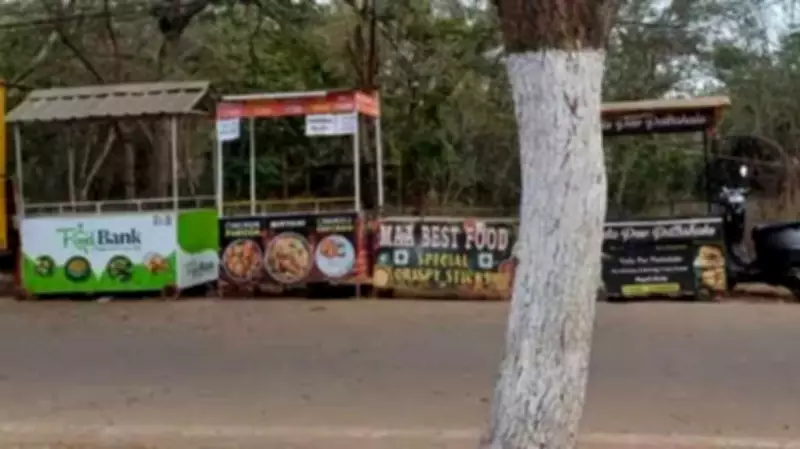
Bhubaneswar Street Food Hubs Paralyzed by Severe LPG Shortage
The vibrant street food culture of Bhubaneswar is facing an unprecedented crisis as a severe shortage of LPG cylinders has forced numerous vendors to temporarily shut down their stalls or drastically scale back operations. This disruption has particularly affected the city's beloved Khao Galis, which are popular street food hubs frequented by students, IT professionals, and local residents.
Widespread Impact Across Key Food Corridors
The LPG shortage has created visible gaps in Bhubaneswar's culinary landscape, with significant impacts reported along busy food stretches near Ram Mandir, Ghatikia, the Patia–Infocity corridor, the City Women's College area, and near the airport. During peak evening hours, many stalls that typically buzz with activity have remained closed, leaving regular visitors disappointed and altering the city's evening atmosphere.
Vendors attribute the shortage to disruptions in LPG supply chains resulting from the ongoing conflict in West Asia, which has affected fuel logistics and availability across the region. The situation has become so dire that the Centre has urged citizens not to hoard cylinders and to consider alternatives like PNG where available.

Vendors Struggle to Keep Businesses Afloat
At Ram Mandir Khao Gali, approximately half of the stalls were closed during Thursday and Friday evenings, according to local vendors. Rakesh Sahu, who operates a momo and roll stall in the area, expressed his frustration: "I typically require one small cylinder every two days. Now I have been waiting for a refill for over a week. Without gas, we simply cannot operate our businesses."
Those vendors who have managed to continue operations have been forced to make difficult choices, significantly reducing their menus to conserve limited fuel supplies. Dishes that require extended cooking times, including biryani, various curries, gravies, and slow-cooked snacks, have been eliminated entirely from many stalls.
Limited Menus and Reduced Operating Hours
Chef Salma, a street food vendor near City Women's College, explained her adaptation strategy: "I am only selling fried items that take less time to prepare. Previously, students would come for chowmein, fried rice, and rolls. Now I have completely stopped rice items. Customers are understandably disappointed, but we have no alternative given the circumstances."
On the Patia-Infocity stretch, a hub that typically attracts large crowds of IT employees and students, several vendors reported business declines of 40 to 50 percent over the past week. Anil Das, who operates a kebab stall in Patia, described the situation: "People arrive, see our limited options, and leave. Earlier, we would stay open until 11:30 PM. Now we close by 9:30 PM to conserve whatever little gas we have remaining."
Customer Experience Deteriorates Significantly
The LPG crunch has visibly impacted footfall and altered the atmosphere at these once-bustling food hubs. Soumya Ranjan Mishra, a private sector employee who visited the Ram Mandir food hub, observed: "This place is usually buzzing with energy in the evenings, but today many stalls are closed, and the variety is missing. It simply doesn't feel the same."
Students, who constitute a crucial customer base for street-food vendors, are feeling the pinch particularly hard. Pooja Nayak, a college student who visited Ghatikia, shared her experience: "We come here almost every evening after classes. Now there are fewer stalls operating, and prices have increased because vendors are trying to manage with limited fuel supplies."
Vendors Face Impossible Choices
Some vendors find themselves in the difficult position of turning away customers despite existing demand. Mahesh Pradhan, who runs a dosa stall near the airport, expressed his dilemma: "Even when customers approach us, what can we do without gas? Electric alternatives are prohibitively expensive for small vendors like us. If the supply situation doesn't improve soon, many of us will have no choice but to shut down permanently."

The crisis highlights the vulnerability of Bhubaneswar's informal food economy to global supply chain disruptions and raises concerns about the long-term viability of these cultural landmarks if the LPG shortage persists.
