Chandigarh's Hospitality Evolution: From Modest Beginnings to Global Hub
A city's true character is often revealed not through its architectural marvels alone, but through the warmth with which it embraces visitors. Having called Chandigarh home for more than six decades, I have been fortunate to observe firsthand the remarkable parallel development of the city's infrastructure and its hospitality industry. The narrative of Chandigarh's hotels is intrinsically woven into the city's own story, tracing a journey from humble origins to achieving international recognition.
Early Days: Simplicity and Personal Touch
My connection with Chandigarh began in 1958, during the city's formative years. On my inaugural business trip, I found accommodation at Hotel Mountview, an establishment that would later become emblematic of Chandigarh's pioneering hospitality ventures. Luxury, as we understand it today, was absent. Instead, the hotel offered genuine courtesy and an implicit assurance of welcome, leaving an indelible impression that sparked my enduring relationship with the city's lodging spaces.
During that era, Chandigarh's hotel landscape was sparse, comprising small, functional properties primarily serving government officials, architects, planners, and early settlers. Among the iconic private hotels was Hotel Aroma, founded in 1953, even before the city was fully populated. By the 1960s, the hotel count remained limited, with notable names including Hotel Aroma, Hotel Mountview, and Hotel Shivalik View.

- Rooms were equipped only with ceiling fans, lacking air-conditioning.
- Entertainment options were minimal, focusing on simple pleasures.
- Meals featured unpretentious desi fare: fresh dal, roti, rice, seasonal vegetables, curd, and lassi, accompanied by a few non-vegetarian dishes, all served with heartfelt warmth rather than formal ceremony.
Guests were addressed by name, fostering easy conversations and a sense of being welcomed into a family home rather than treated as mere customers. This emphasis on human connection over opulence defined the early hospitality experience, making it truly memorable.
Hotels as Social and Professional Hubs
My engagement with these hotels extended beyond temporary stays. They became venues for personal celebrations, business meetings, and Rotary events, where friendships blossomed, professional networks expanded, and community initiatives flourished. Many significant milestones of my life unfolded within their modest banquet halls and meeting rooms, underscoring how these establishments evolved into vital centers of interaction, actively shaping Chandigarh's social and professional fabric.
Transformation and Modernization
As Chandigarh matured, its hospitality sector underwent a parallel evolution. Government-run hotels expanded and modernized, emerging as established city landmarks. By the late 20th century, the landscape began to shift with the entry of branded luxury hotels, altering visitor expectations and comfort standards.
- Air-conditioned rooms became commonplace.
- Conference facilities and refined dining options gradually transitioned from exceptions to norms.
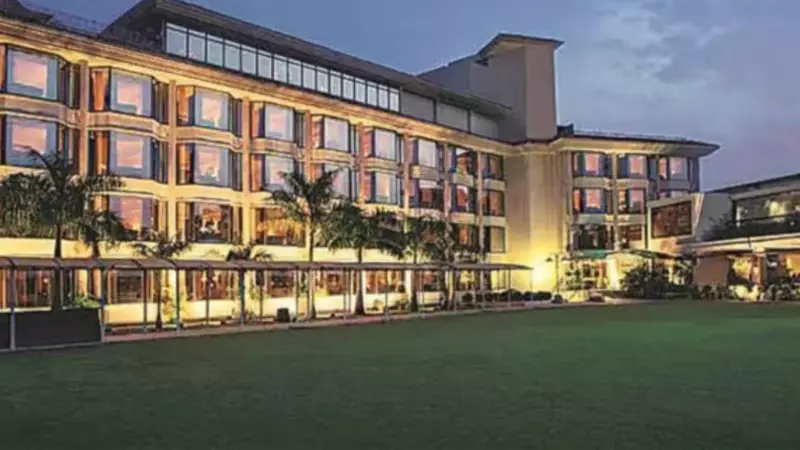
By 2025, Chandigarh's hotel scene had undergone a dramatic transformation. Today, the city boasts approximately 480 to 500 hotels across diverse categories, from budget and mid-range to boutique and luxury offerings. From a handful of modest establishments, Chandigarh has blossomed into a regional hospitality hub, featuring several five-star properties such as the Taj, Hyatt Regency, JW Marriott, The Lalit, Hyatt Centric, and The Oberoi Sukh Vilas.
The Enduring Essence of Hospitality
Chandigarh's hotels are defined not merely by their star ratings or scale but by the enduring warmth, comfort, and memories they foster. From serene corridors to vibrant lobbies, they encapsulate shared meals and cherished moments with friends. Interestingly, the words home, hotel, and hospital share the linguistic root hospice, symbolizing shelter, care, and well-being. Chandigarh's hotels have admirably embodied this shared meaning, consistently offering a home away from home and a sense of belonging that lingers long after checkout.