

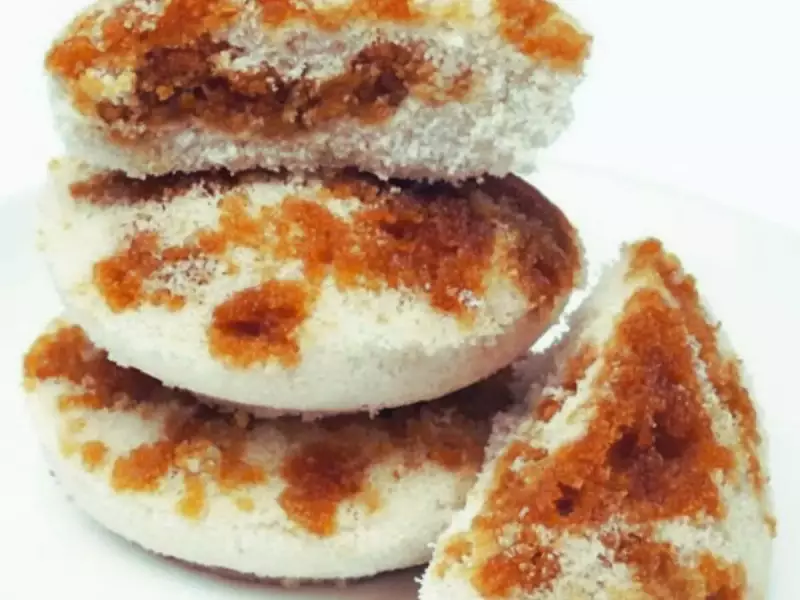
As winter's chill sets in across the eastern plains of India, culinary traditions come alive, offering warmth and nostalgia. Among these is a humble, steamed delight that transcends state borders, known by many names but cherished for its simple, comforting taste. This is the story of the traditional Pitha, a winter specialty that is both light on the stomach and rich in heritage.
The Essence of a Winter Tradition
This traditional steamed rice cake is a hallmark of the cold season in several East Indian states, including Bihar, Assam, West Bengal, Odisha, and Eastern Uttar Pradesh. Whether you call it Nariyal Pitha, Gud Piti, Bhapa Pithe, or Noriya Pitha, the essence remains the same. It is a tender, sweet or occasionally savory delicacy that resembles a flattened idli and is traditionally filled with a mixture of jaggery and freshly scraped coconut.
What makes this winter delicacy particularly special is its simplicity and healthful profile. Made primarily from rice and requiring no ghee or oil in its preparation, it is inherently light and easy to digest. It serves as a perfect guilt-free snack that instantly evokes memories of grandmothers' kitchens, cozy winters, and festive holiday seasons.

An Exclusive Recipe from a Master Chef
To bring this taste of tradition into modern homes, Ranjan Majumdar, Executive Chef at Mayfair Spring Valley Resort in Guwahati, shares his exclusive and straightforward recipe. Chef Majumdar emphasizes that the process is super easy, making it accessible for anyone to recreate this piece of cultural heritage.
The ingredients are minimal and wholesome: 1.5 cups of white rice, 1/2 cup of freshly scraped coconut, 1/2 cup of jaggery powder, 1 teaspoon of cardamom powder, and 1/2 teaspoon of salt.
Step-by-Step Guide to Perfect Pithas
The journey to perfect Pithas begins with the rice. Wash it thoroughly, drain the water, and spread the grains on a tray to dry completely. Once dry, grind the rice into a fine powder and sieve it to ensure a smooth texture. The next crucial step is to dry roast this sieved powder on medium heat. The goal is to release a sweet, nutty fragrance from the powder, taking care not to over-roast it until it turns brown. Transfer the roasted powder to a large mixing bowl and add the salt.
Here's a key tip from the chef: you must use boiling water. Boil sufficient water and gradually add it to the rice powder to form a semi-soft dough. Once combined, cover the dough and let it rest for about 15 minutes.
While the dough is resting, prepare the aromatic stuffing. Dry roast the scraped coconut on medium-low heat for a couple of minutes to enhance its natural flavor and aroma. Then, add the jaggery powder and cardamom powder to the warm coconut. Mix well until the jaggery melts completely and blends with the coconut. Your sweet stuffing is now ready. Remove it from the heat.
Shaping and Steaming to Perfection
Now, take a lemon-sized portion of the prepared dough. Flatten it into a patty, create a small cavity in the center, and stuff it with about a tablespoon of the coconut-jaggery mixture. Fold the dough over the filling and shape it into a traditional size, similar to a gujiya. For those who prefer it plain, the pithas can also be made without any stuffing.
Place the shaped pithas in a steamer, cover it, and steam them for approximately 20 minutes. Once steamed, transfer the hot pithas to a colander and gently pour some cold water over them. This simple step is a professional trick that prevents the pithas from sticking to each other, ensuring each piece remains perfectly intact.
This traditional Pitha recipe is more than just a set of instructions; it's an invitation to experience a slice of East Indian winter culture. It proves that the most cherished foods are often the simplest, requiring no elaborate techniques or heavy ingredients, just the warmth of tradition and the joy of homemade goodness.






