

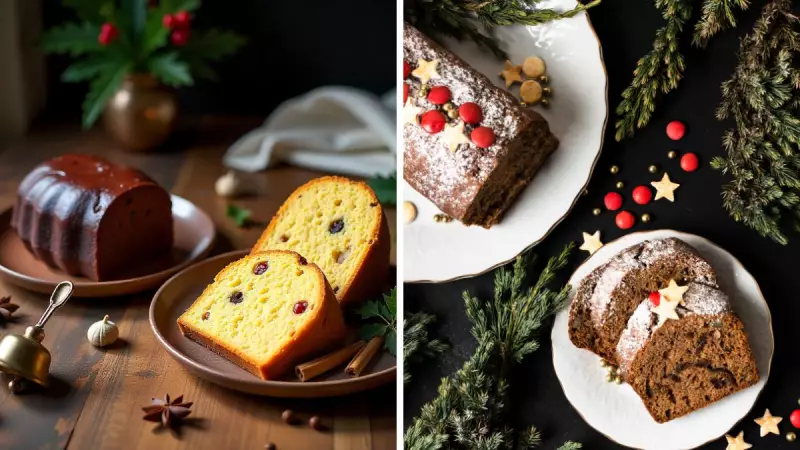
As the festive season of Christmas envelops India, the air fills with the unmistakable aroma of baking cakes. While the classic plum cake is a nationwide favourite, the coastal regions of India, particularly Goa and Kerala, boast their own unique and deeply rooted cake-making traditions that tell a story of history, trade, and local ingredients.
The Legacy of Christmas Baking in Coastal India
The tradition of baking cakes for Christmas in coastal India is a delicious legacy of centuries-old cultural exchange. In Kerala, the influence of early Syrian Christian traders and later European colonisers merged with local Malabari flavours. Similarly, in Goa, over 450 years of Portuguese rule left an indelible mark on its culinary landscape, especially its festive desserts. These are not mere adaptations but distinct creations that have evolved into essential components of the regional Christmas feast.
Kerala's Rich Plum Cake: A Symphony of Local Flavours
The Kerala-style Christmas plum cake is a dense, dark, and intensely flavourful masterpiece. Its distinct character comes from a prolonged process that begins weeks, sometimes months, before Christmas. The key is the rum-soaked fruits. A mix of raisins, black currants, candied orange peel, and dates is soaked in local spirits, often rum or brandy, allowing the dried fruits to plump up and absorb the rich flavours.

What truly sets the Kerala cake apart is the use of ‘kadavu’ or palm jaggery instead of refined sugar. This gives the cake its characteristic deep brown colour and a complex, caramel-like sweetness with mineral notes. The ‘cake maavu’ or batter is generously spiced with cardamom, cinnamon, and cloves, linking it directly to Kerala's famed spice trade history. Baked slowly to perfection, this cake is a moist, aromatic centrepiece of the Kerala Christian family's Christmas table.
Goa's Baath Cake: A Simpler, Earthy Delight
In stark contrast to the fruit-laden plum cake, Goa offers the Baath Cake (pronounced ‘Baath’). This is a quintessential Goan dessert with Portuguese roots, commonly enjoyed during Christmas and other celebrations. The name ‘Baath’ is derived from the Portuguese word ‘bolo,’ meaning cake.
This cake is strikingly different in texture and ingredient profile. Its base is semolina (rava/sooji) and coconut, giving it a unique, slightly granular and moist texture. The primary flavouring comes from coconut and often a hint of freshly ground cardamom or nutmeg. Unlike the boozy Kerala cake, Baath cake is typically eggless and uses yogurt or sometimes coconut milk for moisture. It is less sweet, focusing on the earthy flavours of semolina and the fragrance of coconut, making it a beloved treat for all ages.
Both cakes, though different, are united by their role as cultural heirlooms. They are prepared with care, often following recipes passed down through generations, and are shared with neighbours and friends as a gesture of festive goodwill and community bonding.
Bringing Coastal Christmas Flavours to Your Kitchen
Embracing these traditions at home is a wonderful way to celebrate India's diverse culinary heritage. Here’s a glimpse into what makes these recipes special:
For a Kerala Plum Cake: The non-negotiable steps are the fruit soaking and the use of good quality jaggery or palm sugar. Patience is key. The cake tastes better with time as the flavours mature.
For a Goan Baath Cake: The quality of semolina and coconut is crucial. Freshly grated coconut will always outperform desiccated versions. The cake is usually steamed or baked at a moderate temperature until a skewer comes out clean, resulting in a soft, crumbly texture.
This Christmas, look beyond the standard bakery fare. Exploring the Christmas cake traditions of Coastal India offers a taste of history and a deeper connection to the country's incredible regional diversity. Whether it's the rich, spiced luxury of a Kerala plum cake or the humble, earthy comfort of a Goan Baath cake, each slice carries the warmth of centuries-old celebration.






