

Delhi's Sandwich Renaissance: How Global Craft Meets Local Flavor
Have you ever scrolled through social media, captivated by images of towering Florentine-style sandwiches or pillowy Japanese sandos? Or watched actors in New York bite into a deli melt, making it look effortlessly satisfying? That visual appeal, comfort, and meticulous craft have quietly but powerfully arrived in Delhi's vibrant café scene.
The Visual and Culinary Appeal
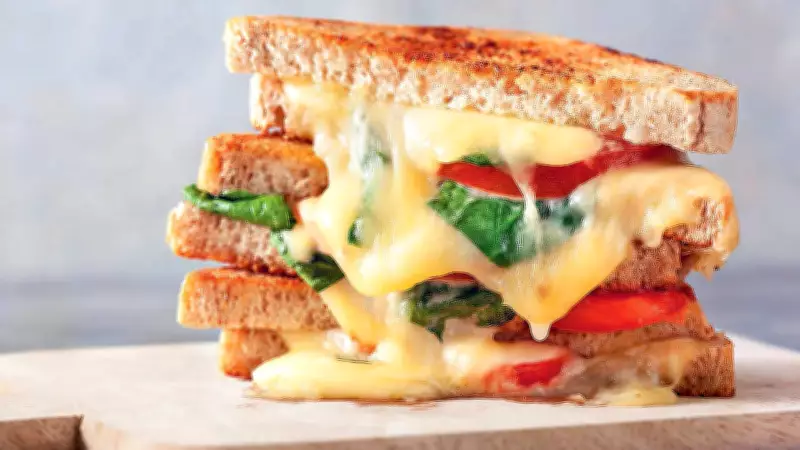
Part of this rise is undeniably visual. Social media platforms like Instagram have trained diners to appreciate layers, melt, and structural integrity in their food. However, while eye-catching reels may spark initial cravings, they do not sustain long-term interest. What truly brings customers back is a careful balance: bread that holds up without crumbling, fillings that complement rather than overwhelm, and flavors that feel intentional instead of excessive.
Global Inspiration with Local Adaptation
While global café culture provides a rich reference point, adaptation in Delhi has been subtle and thoughtful rather than loud or imitative. Radhika Khandelwal, chef and founder of Kona, explains, "We incorporate pickles, ferments, chili heat, mustard, and acidity to keep flavors sharp. These elements provide the punch and contrast that Indian diners instinctively seek." Portion sizes are equally considered—designed to satisfy without leaving one feeling exhausted.

Prateek Gupta, founder of Dumbo Deli, echoes this sentiment, adding, "Flavors have brightness, achieved through spicy mayo, peppery greens, or tangy components. The goal is to keep the sandwich rooted in its original style while making it feel familiar and deeply satisfying for local patrons."
Reinventing the Format
Innovation in Delhi's sandwich scene is not merely about novel fillings—it's also about reframing the entire format. At Kona, the format drives construction. The team experiments with Japanese shokupan, Italian ciabatta, Vietnamese baguettes, and potato rolls, recognizing that each sandwich demands a specific structure and bite. From the restrained Egg Sheeran to the sharply balanced Grilled Cheese & Kimchi and the layered Stand Bahn-Miiiiii, indulgence is always calibrated rather than overloaded.
From Japanese sandos to New York deli melts and Vietnamese banh mi, the format has always prioritized craft over convenience. This influence is now vividly apparent in Delhi, particularly in the attention paid to fermentation, bread quality, pickles, and structural integrity rather than merely generous fillings.
From Side Act to Standalone Meal
Significantly, sandwiches are no longer mere add-ons or quick fillers but structured, standalone meals. At Dumbo Deli, Prateek Gupta champions the Florentine schiacciata—thin, crisp, and ideal for generous fillings without turning soggy. Italian cured meats, cheeses, seasonal greens, basil oil, and aged balsamic come together under one guiding principle: restraint. "We do not overfill the sandwich. Every bite should deliver the right mix of crunch, creaminess, and flavor," he emphasizes.
Jaivardhan Bhatia, Director of Common Time, notes that the category is being treated as premium. "It's more indulgence-heavy now—cafés are using diverse cheeses, truffles, and baking their own bread instead of sourcing externally."
Meanwhile, for Radhika Khandelwal, balance hinges on refinement. "One excellent cheese instead of three mediocre ones. Properly seasoned protein instead of excessive quantity. Acid and texture to keep the sandwich satisfying without heaviness. Diners don't want the biggest sandwich—they want one that feels worth it."
At Lofin, innovation takes a creative turn by reworking the French beignet. Traditionally deep-fried and sweet, it is unmistakably a dessert. Deepali Rekhi, co-founder of the cafe, explains, "Our chef has transformed it into a savory sandwich format."

Why Now? A Shift in Delhi's Dining Habits
The sandwich is having its moment for multiple reasons. "They are filling, experimental, and perhaps the most honest format in food. You hold the entire dish in your hands—there's nowhere to hide. If the bread is wrong, you know. If the balance is off, you feel it," shares Radhika, adding, "Globally, cafés have long treated sandwiches as a serious category."
However, what truly propels this momentum in the capital is behavioral change. "Eating out is no longer always about sitting down for lengthy meals. People desire food that seamlessly fits into their day. Sandwiches excel in that context—they're complete, satisfying, and flexible," Radhika concludes.
