As artificial intelligence (AI) continues to transform various sectors, the field of education is no exception. However, experts argue that teachers remain irreplaceable in the AI era. While AI can automate administrative tasks and provide personalized learning experiences, it cannot replicate the human touch essential for holistic development.
The Uniqueness of Human Teachers
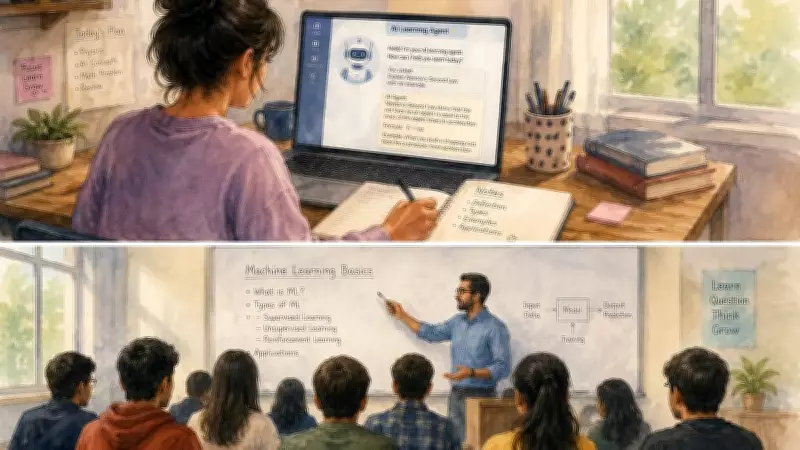
Teachers bring empathy, creativity, and critical thinking to the classroom—qualities that AI lacks. They understand students' emotional needs, inspire curiosity, and foster a love for learning. According to educational experts, AI should be viewed as a tool to enhance teaching, not replace teachers.
AI as an Assistant, Not a Replacement
AI can handle tasks like grading, data analysis, and even tutoring in specific subjects. This frees up teachers to focus on mentoring and developing students' social skills. For instance, AI-powered platforms can provide instant feedback on assignments, allowing teachers to dedicate more time to individualized instruction.

Challenges and Opportunities
Integrating AI in education comes with challenges, including data privacy concerns and the need for teacher training. However, the opportunities are vast. AI can help identify learning gaps, adapt curriculum to student needs, and make education more accessible. Yet, the consensus remains that technology should complement, not replace, the human element.
Preparing Students for the Future
In an AI-driven world, skills like creativity, emotional intelligence, and ethical reasoning become even more critical. Teachers are best positioned to cultivate these skills. They guide students in navigating the digital landscape responsibly and encourage innovative thinking.
In conclusion, while AI will reshape education, the role of teachers will evolve rather than disappear. The future of learning lies in a synergistic relationship between technology and human educators, ensuring students receive a well-rounded education that prepares them for an uncertain future.